The shipping industry is gradually adopting gas and other low-flashpoint fuels. As ship fuel systems change, seafarers may need additional safety knowledge beyond traditional STCW training. One qualification connected with this change is the IGF Code Basic Certificate of Proficiency.
The 2025 STCW certification record shows that 4,470 IGF Code Basic CoPs were issued during the year. This reflects strong training activity and growing awareness among Indian seafarers about the skills required on modern gas-fuelled and low-flashpoint-fuel ships.
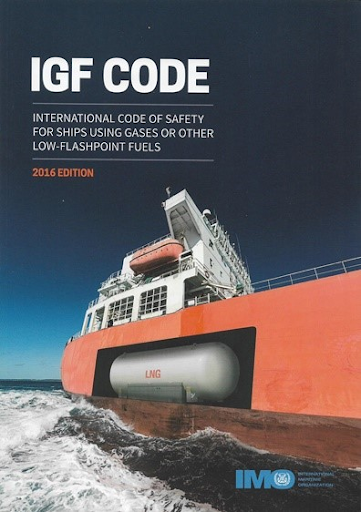
IGF Code Basic CoP is a Certificate of Proficiency for seafarers serving on ships covered by the International Code of Safety for Ships Using Gases or Other Low-Flashpoint Fuels. The training is connected with safe fuel use and emergency response.
In simple words, the certificate prepares seafarers for duties on vessels using fuels that require special handling and safety precautions. It is not simply an LNG course, although LNG-fuelled vessels are among the most common ships associated with IGF training.
Why Is IGF Code Basic CoP Becoming Important?
Modern ships are increasingly using fuel systems that differ from conventional marine diesel arrangements. These systems create different risks related to leakage, fire, explosion, low temperatures, gas detection, ventilation, storage, bunkering, and emergency shutdown procedures.
The IGF Code provides safety requirements for the design, construction and operation of ships using gas or other low-flashpoint fuels. Therefore, seafarers working around these systems must understand their hazards and follow specialised safety procedures.
What Does the 2025 IGF Certificate Record Show?
According to the official 2025 STCW certification record, 4,470 IGF Code Basic CoPs were issued. The figure makes IGF training a clearly visible category within India’s maritime certification system and shows that many seafarers are preparing for relevant shipboard duties.
The supplied trend data shows 1,523 certificates in 2021, 2,643 in 2022, 3,201 in 2023, 3,188 in 2024 and 4,470 in 2025. This rise suggests growing certification activity, although it does not directly guarantee more jobs.
Which Seafarers Need IGF Code Basic Training?
The Basic CoP is required for seafarers who have designated safety duties connected with the care or use of fuel, or emergency response involving fuel systems, on ships subject to the IGF Code. It applies according to assigned duties, not only rank.
This means deck officers, engineers, ratings and other personnel may require the certificate when their responsibilities fall within these areas. It is not automatically compulsory for every seafarer on every vessel, so company and shipboard requirements should be checked first.
Is IGF Code Basic Useful for Officers and Ratings?
Deck officers may benefit from understanding fuel hazards, emergency organisation, safe working areas, fire-response procedures and the operational risks of gas-fuelled ships. The knowledge can support their safety responsibilities even when they are not directly operating the fuel system.
Engine-room personnel and ratings may be involved in equipment monitoring, safety rounds, maintenance support, fire response, gas detection or emergency duties. The course is therefore designed for masters, officers, ratings and other personnel whose assigned responsibilities require this competence.
What Is Taught in the IGF Code Basic Course?
The course covers the basic design and operating features of IGF ships, fuel storage systems, fuel properties, safety management and common hazards. It also explains controls used to reduce risks arising from gas or low-flashpoint fuels onboard.
Training includes occupational safety, gas-testing awareness, protective equipment, firefighting, emergency shutdown, first aid and pollution prevention. Practical competence may include gas detection, breathing apparatus and firefighting exercises connected with the hazards of IGF-covered fuels.
What Is the Eligibility for IGF Code Basic Course?
DG Shipping’s course guidelines state that a seafarer entering the course should have completed the four basic safety courses required under STCW Regulation VI/1. The approved course is identified by DG Shipping as Course ID 5311.
Seafarers holding an eligible and valid Basic or Advanced Liquefied Gas Tanker CoP may qualify for the IGF Basic CoP through the recognised route. Before booking, candidates should check their current certificates and profile against the latest DG Shipping requirements.
How Is the IGF Code Basic CoP Issued?
After completing the approved training and meeting the required conditions, the seafarer applies for the digital Basic CoP through the DG Shipping e-governance system. DG Shipping’s procedure states that no fee is charged for issuing the digital Basic CoP.
The seafarer’s profile should contain the required basic safety, refresher and security-duty certificates, along with the relevant IGF or gas-tanker training record. The digital certificate becomes visible in the seafarer’s profile after the application is approved.
Once your certificate is issued, you can use the Sailor Pro App to store a digital copy for easy access and monitoring.
How Long Is IGF Code Basic CoP Valid?
The IGF Code Basic CoP is issued for a period not exceeding five years. The exact validity is connected with the date of the eligible basic training certificate or the recognised gas-tanker CoP used for obtaining the IGF certificate.
A seafarer may apply for renewal within six months before expiry. Renewal requires evidence of at least three months of sea service on ships subject to the IGF Code during the previous five years, or completion of the Basic IGF course again.
What Is the Difference Between Basic and Advanced IGF Training?
Basic training is for personnel with designated safety duties associated with fuel care, fuel use or emergency response. Advanced training is for masters, engineer officers and personnel having immediate responsibility for fuel and fuel-system operations on IGF Code ships.
Advanced certification has additional requirements. These include holding the Basic IGF CoP, completing approved advanced training and obtaining the required sea service and bunkering experience. A valid Certificate of Competency is required before the Advanced CoP can be issued.
Does IGF Code Basic CoP Guarantee a Job?
Completing the course does not guarantee employment on an LNG or gas-fuelled vessel. Shipping companies also consider rank, sea service, previous vessel experience, medical fitness, interview performance, technical knowledge and the availability of suitable vacancies.
However, the certificate can make a seafarer eligible for duties where Basic IGF competence is required. Its value is highest when it matches a planned career move, company requirement or confirmed opportunity on a ship covered by the IGF Code.
Table of Contents
Should Seafarers Book the IGF Course Without a Requirement?
Seafarers should avoid booking the course only because its certificate numbers are increasing. First check whether the qualification matches your department, present certificates, expected ship type, employer’s requirement and realistic career direction.
A cadet or rating without a clear gas-fuelled vessel pathway may not receive an immediate employment benefit. A seafarer shortlisted for an IGF Code vessel, however, may need the qualification before being assigned relevant shipboard duties.
Final Advice Before Booking IGF Code Basic Course
IGF Code Basic CoP is becoming more visible because modern fuel systems require specialised safety knowledge. The 2025 issuance figure is an important signal, but seafarers should still select the course according to eligibility and career requirements.
By using resources like the STCW Course Finder to plan your training and the Sailor Pro App to track your documentation and prepare for exit exams, you can remain fully prepared for upcoming joining opportunities on modern vessels.
It is a Certificate of Proficiency for seafarers with designated safety duties connected with the care, use or emergency response to fuel on ships subject to the IGF Code.
No. It is required according to the vessel and the duties assigned to the seafarer. It is not compulsory for every seafarer working on every type of ship.
DG Shipping’s course guidelines state that candidates should have completed the four basic STCW safety courses. Seafarers should confirm the latest eligibility and profile requirements before booking.
It may be required for personnel assigned designated safety duties involving the care, use or emergency response to fuel systems on LNG-fuelled ships covered by the IGF Code.
The certificate is normally valid for a period not exceeding five years. Renewal conditions include qualifying sea service or repeating the approved training.
A seafarer holding a valid Basic or Advanced Liquefied Gas Tanker CoP may be eligible for the IGF Basic CoP through the recognised certification route.
No. It provides the required safety qualification for relevant duties, but employment also depends on rank, experience, company requirements, vacancies and selection.
Disclaimer :- The opinions expressed in this article belong solely to the author and may not necessarily reflect those of Merchant Navy Decoded. We cannot guarantee the accuracy of the information provided and disclaim any responsibility for it. Data and visuals used are sourced from publicly available information and may not be authenticated by any regulatory body. Reviews and comments appearing on our blogs represent the opinions of individuals and do not necessarily reflect the views of Merchant Navy Decoded. We are not responsible for any loss or damage resulting from reliance on these reviews or comments.
Reproduction, copying, sharing, or use of the article or images in any form is strictly prohibited without prior permission from both the author and Merchant Navy Decoded.