Hi this is Team Merchant Navy Decoded !!!

Please fill the below form with your query and we will get back to you in next 12 hours.

Rest assured your data is safe with us !!!🙂

Ask Your Query

Shore Jobs for 2nd and 3rd Officers in Core Shipping

Shore-based jobs for 2nd and 3rd Officers in core shipping can be a practical option for deck officers who no longer want to continue sailing but still want to use the experience they have gained at sea. Many officers assume that they must first become Chief Officer or Master before moving ashore, but that is not always necessary. If you genuinely feel that sailing is not the long-term career for you, there are several shore roles where your shipboard knowledge, documentation experience, communication skills, and understanding of vessel operations can remain valuable.

Vessel Routing and Vessel Optimisation

Vessel Routing
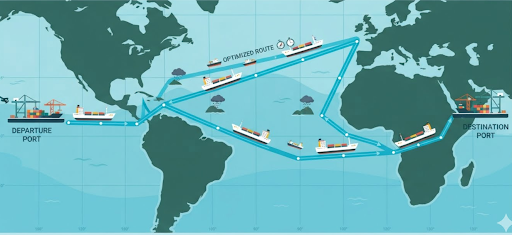
Vessel Routing and vessel optimisation is a strong option for deck officers who enjoy navigation, voyage planning, weather, data, and operational decision-making.

Senior roles may prefer Masters or highly experienced officers, but companies also need junior professionals who can support routing teams, monitor vessels, coordinate information, and assist with optimisation work. Many operational-level deck officers are already working in this area and can build good careers without first reaching command at sea.

Assistant Surveyor Roles

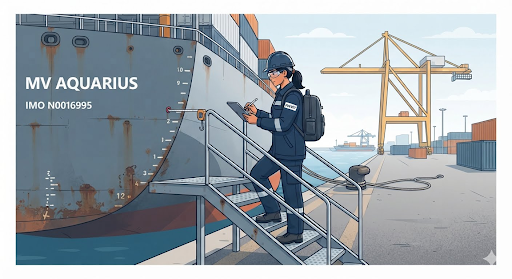
Another career option is becoming an Assistant Surveyor. Operational-level deck officers may not yet be suitable for highly complex surveys that require a Master CoC or extensive senior-level experience, but they can still explore more basic survey work.

Examples may include bunker surveys, basic cargo surveys, and similar assignments. This can be a useful path for someone who enjoys inspection, reporting, cargo-related work, and practical vessel visits.

Commercial Shipping

Operational-level deck officers can also move into commercial shipping. In fact, many mariners who enter the commercial side of shipping leave the sea before reaching the highest sailing ranks.

Commercial shipping offers a different path from vessel operations. It may involve chartering, commercial coordination, or other business-focused roles where maritime knowledge remains useful. Some officers have left sailing at Second Officer level and later progressed into senior positions in commercial shipping.

Table of Contents

Purchasing Roles

Purchasing Roles

Purchasing is another possible shore-based career. Technical purchasing often attracts marine engineers because many requirements involve machinery and spare parts, but deck officers can also find opportunities in purchasing departments.

A deck officer already understands shipboard requirements, safety equipment, consumables, and how requisitions move between ship and shore. This background can be useful in procurement.

HSEQ Jobs

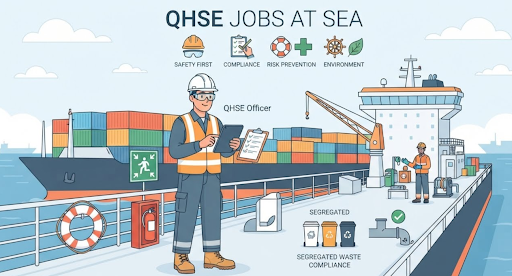
One of the major shore options for operational-level deck officers is HSEQ, which stands for Health, Safety, Environment, and Quality. Shipping companies need people who understand vessel operations, onboard procedures, safety culture, documentation, and the practical challenges faced by seafarers.

A 2nd or 3rd Officer may work as an assistant within the HSEQ department or support a Marine Superintendent or Safety Superintendent. The work can involve procedures, policies, records, safety-related coordination, and other activities connected with the company’s management system. The starting salary may be lower, but growth can improve as shore experience increases.

Crewing Jobs for 2nd and 3rd Officers

Crewing Jobs for 2nd and 3rd Officers

Deck officers can also be well suited for crewing because they regularly deal with certificates, documents, port requirements, crew records, and other compliance-related information onboard.

This gives them a practical understanding of the documentation that seafarers need throughout their careers. In a shore role, that knowledge can be useful while coordinating crew changes, checking documentation, supporting recruitment, and communicating with seafarers and vessels.

Business Development in Ship Management

Business Development is another option for officers who are good at communication, networking, and building professional relationships. You do not always need to be a Master or Chief Engineer to enter this field.

A 2nd or 3rd Officer who is confident, understands the shipping industry, and can connect with clients or stakeholders may build a strong career in business development. The role can be especially suitable for someone who enjoys people interaction more than purely operational or documentation-heavy work.

Training and Learning Roles

Training and Learning Roles

Training is another area within ship management where 2nd and 3rd Officers can build shore careers. Shipping companies continuously need to train seafarers, update them on procedures, and support professional development.

An officer who enjoys teaching, explaining procedures, or working with younger seafarers may find this field rewarding. Sailing experience can also make the training more practical.

Why Operational-Level Deck Officers Can Succeed Ashore

Operational-Level Deck Officers Can Succeed Ashore

A 2nd or 3rd Officer may feel that their sea experience is too limited compared with a Master, but operational-level experience still has value. You have already worked with navigation, safety systems, documentation, cargo operations, port formalities, crew coordination, and company procedures.

The key is to choose a shore role where these strengths matter. You may need to start at a junior level again, but that does not mean your sea experience has been wasted. It becomes the foundation on which you build your shore career.

Financial Planning Before Leaving Sailing

Financial Planning Before Leaving Sailing

The financial side should not be ignored. If you are financially stable, have limited liabilities, and are certain that sailing is not for you, you may have more freedom to move ashore early.

If you have major family responsibilities, loans, or financial commitments, it may be sensible to first create a stronger financial cushion. Merchant Navy earnings can rise significantly as you progress to Chief Officer and Master, while a first shore job may involve a noticeable salary reduction.

Do You Need to Become Master Before Moving Ashore?

No. Becoming a Master can strengthen your profile for certain senior positions, but it is not compulsory for every shore career.

If your long-term goal is HSEQ, commercial shipping, crewing, business analysis, training, purchasing, or another suitable shore role, moving earlier may allow you to start building shore experience sooner. The decision should depend on your goals, financial situation, and how strongly you feel about leaving sailing.

Final Advice for 2nd and 3rd Officers

A 2nd or 3rd Officer who wants to stop sailing but remain in core shipping can explore various career positions. Do not assume that becoming Master is the only route before moving ashore. 

Plan your finances carefully because the first shore salary may be lower, choose a career that matches your strengths, and start building the required skills while you are still sailing. You can download  the Sailor Pro app for practical career guidance and better organisation of their professional journey.

Frequently Asked Questions (FAQs)

2nd Officers can explore HSEQ, Business Development, commercial shipping, purchasing, routing and vessel optimisation, crewing, Assistant Surveyor roles, training, and Business Analyst positions.

A 3rd Officer may explore junior HSEQ positions, crewing, routing support, purchasing, training, surveys, business development, commercial shipping, and Business Analyst roles depending on experience.

No. Becoming Master may help for certain senior positions, but many shore careers are open to operational-level deck officers.

Yes. Operational-level deck officers can move into commercial shipping and may later progress into senior commercial positions as they gain shore experience.

Yes. Their understanding of certificates, seafarer documentation, port requirements, and shipboard procedures can make them suitable for crewing roles.

Operational-level officers may explore Assistant Surveyor roles and basic surveys such as bunker or cargo-related surveys. More complex survey positions may require greater experience or senior certification.

It can be a strong option for deck officers interested in both maritime operations and technology because the role connects business requirements with software and technology teams.

The first shore salary may be lower than sailing income. However, long-term growth can be strong depending on your skills, performance, industry, and career progression.

Disclaimer :- The opinions expressed in this article belong solely to the author and may not necessarily reflect those of Merchant Navy Decoded. We cannot guarantee the accuracy of the information provided and disclaim any responsibility for it. Data and visuals used are sourced from publicly available information and may not be authenticated by any regulatory body. Reviews and comments appearing on our blogs represent the opinions of individuals and do not necessarily reflect the views of Merchant Navy Decoded. We are not responsible for any loss or damage resulting from reliance on these reviews or comments.

Reproduction, copying, sharing, or use of the article or images in any form is strictly prohibited without prior permission from both the author and Merchant Navy Decoded.

DIWALI SALE

Decoded Discount Alert! up to 50% OFF

DIWALI SALE

Decoded Discount Alert! up to 50% OFF

Use Coupon Code Deep50

Days
Hours
Seconds
0
Would love your thoughts, please comment.x
()
x