Shore Job Options for Second Engineers and Chief Engineers
Shore job options for Second Engineers and Chief Engineers are much broader than many seafarers realise. Management-level marine engineers already have years of experience in machinery, maintenance, dry docking, troubleshooting, vessel operations, people management, and technical decision-making. If sailing is becoming difficult because of family responsibilities, personal priorities, or lifestyle concerns, they can move ashore while still using their maritime experience.
Shore Jobs for Management-Level Marine Engineers?
Shore opportunities for Second Engineers and Chief Engineers can broadly be divided into two groups. The first includes careers where technical knowledge remains the main strength, while the second includes shipping roles where direct engineering knowledge is used less but overall maritime experience remains valuable.
For senior engineers, the advantage is that years of shipboard responsibility can often be transferred into managerial, technical, regulatory, or advisory roles ashore.
1. Technical Superintendent
For many Chief Engineers and Second Engineers, Technical Superintendent is the first shore career that comes to mind.
A Technical Superintendent may be responsible for supporting the technical operation of vessels, coordinating with ships, reviewing maintenance requirements, dealing with technical problems, planning repairs, communicating with vendors, and ensuring that vessels remain operationally prepared.
It is a highly responsible position because the person may be looking after the technical performance of several vessels instead of only one ship.
2. Vessel Performance and Optimisation
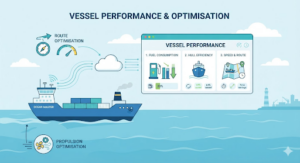
Another strong career option is vessel performance and optimisation. This area is becoming increasingly important as shipping companies use more data and technology to monitor vessel efficiency.
A management-level engineer who understands technical systems and is comfortable analysing information can study vessel performance, identify problems, and find opportunities to improve efficiency. The role can involve connecting technical performance with commercial, operational, safety, and even weather-related factors.
3. Government and Maritime Administration Jobs
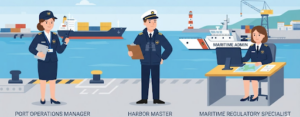
Senior engineers may also explore careers in maritime administration. Examples mentioned within this area include DG Shipping, MMDs, and maritime boards.
These roles can provide opportunities to contribute to the broader maritime industry through administration, regulation, advisory work, and policy-related responsibilities. Because senior engineers have worked with vessels, companies, regulations, inspections, and technical systems, they can bring practical industry knowledge into such positions.
4. Marine Surveyor Jobs
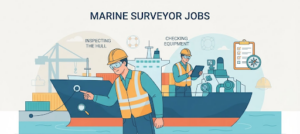
Marine surveying is another important option for management-level engineers. Senior engineers have significantly more technical exposure than junior engineers and may therefore be suitable for different types of surveys.
These can include condition surveys, machinery surveys, sale and purchase surveys, and other technical inspections. A surveyor needs to assess equipment or vessel condition and provide an informed professional evaluation.
For engineers who enjoy inspection, analysis, technical reporting, and independent assessment, surveying can be a strong shore career.
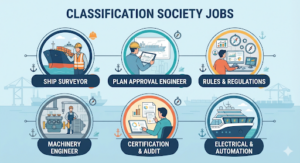
5. Classification Society Jobs
Classification societies provide another possible career path for experienced marine engineers.
Their work may include surveys, consultancy, technical assessments, and vessel-related services. Some classification organisations are also becoming involved in areas such as performance and optimisation.
A Chief Engineer or Second Engineer can bring practical shipboard knowledge into these roles because they already understand machinery, maintenance, regulatory requirements, and how vessels actually operate at sea.
6. Jobs With OEM Companies
Senior marine engineers can also work with Original Equipment Manufacturers or OEMs.
Marine equipment companies need professionals who understand their machinery and can communicate effectively with shipping companies. Depending on the position, the role may involve technical support, servicing clients, troubleshooting, consultancy, or even contributing to the commercial side of the business.
A senior engineer’s advantage is practical experience. Having operated and maintained machinery onboard can make it easier to understand the requirements of clients who are themselves ship managers or vessel operators.
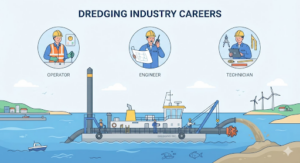
7. Dredging Industry Careers
The dredging industry can also provide opportunities for experienced marine engineers. Dredgers use specialised and often sophisticated machinery, and these vessels require strong technical management.
A senior engineer may work in vessel maintenance, shore-based technical management, or other positions connected with dredging operations. Because this sector relies heavily on specialised machinery, engineering knowledge can remain highly relevant.
There may also be opportunities for significant career progression because experienced engineers can eventually move into broader management responsibilities.
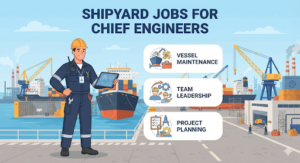
8. Shipyard Jobs for Chief Engineers
Shipyards are another career direction for management-level engineers.
A Chief Engineer who has already managed dry docks and major repairs from the ship’s side can use that experience from the shipyard side as well. Work may involve vessel repair, dry docking, new construction, maintenance projects, and technical coordination.
India has had experienced marine engineers working in shipyards and even leading important shipyard operations. Opportunities may change depending on the shipbuilding and repair market, but shipyards remain a relevant career option for senior marine engineers.
Table of Contents
Non-Technical Core Shipping Roles
Not every Chief Engineer or Second Engineer wants to continue working in a highly technical position. Some may want to stay connected with shipping while moving into a role that depends more on people skills, management, communication, or industry knowledge.
Two important areas within this category are crewing and Learning and Development.
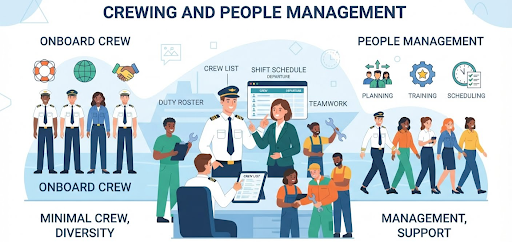
1. Crewing and People Management
Experienced marine engineers can move into crewing roles, particularly if they enjoy working with people and managing seafarer-related issues.
Although technical knowledge may not be used every day, shipboard experience can help when dealing with engineering officers and understanding the practical challenges faced by crew members.
People skills become especially important in this area because the job involves communication, coordination, recruitment, and managing relationships between seafarers and the company.
2. Learning and Development
Learning and Development is another promising option for senior marine engineers who enjoy studying, teaching, researching, or mentoring younger seafarers.
Shipping regulations, technology, procedures, and policies continue to change. Companies therefore need professionals who can help existing seafarers stay updated and support the development of people entering the industry.
For someone who wants a more structured shore lifestyle while continuing to contribute to maritime education and professional development, this can be an attractive direction.
Final Advice for Second Engineers and Chief Engineers
Second Engineers and Chief Engineers do not have to leave shipping completely when they stop sailing. Their experience can be used. The right option depends on whether you want to continue using your technical knowledge or move toward a more managerial or people-focused role.
Before resigning from the sea, study each career carefully, understand its responsibilities, and identify where your existing experience gives you the strongest advantage. Seafarers planning a ship-to-shore transition can also explore Sailor Pro app for practical career guidance and better organisation of their professional journey.
Second Engineers may explore Technical Superintendent positions, vessel optimisation, survey roles, OEM companies, shipyards, dredging, classification societies, and other core shipping opportunities depending on experience.
It is one of the most common shore career options because it allows senior engineers to use their technical and ship-management experience while working ashore.
Yes. Crewing and Learning and Development are examples where overall shipping experience and people skills can be more important than direct technical work.
Not necessarily. Senior engineers already have valuable maritime experience, and remaining within core shipping can allow them to use that experience while building a shore-based career.
Disclaimer :- The opinions expressed in this article belong solely to the author and may not necessarily reflect those of Merchant Navy Decoded. We cannot guarantee the accuracy of the information provided and disclaim any responsibility for it. Data and visuals used are sourced from publicly available information and may not be authenticated by any regulatory body. Reviews and comments appearing on our blogs represent the opinions of individuals and do not necessarily reflect the views of Merchant Navy Decoded. We are not responsible for any loss or damage resulting from reliance on these reviews or comments.
Reproduction, copying, sharing, or use of the article or images in any form is strictly prohibited without prior permission from both the author and Merchant Navy Decoded.