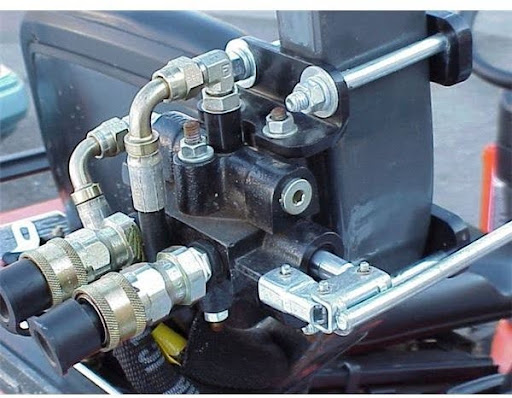
Hydraulic systems are used on ships because they can do heavy work smoothly and with strong force. In simple words, a ship hydraulic system uses pressurized oil to move or operate different machinery onboard.
You will find hydraulic systems in steering gear, deck cranes, winches, hatch covers, and many other shipboard equipment. That is why this topic is important for marine engineers. It is not just an exam topic. It is also something you may face during onboard work, troubleshooting, or oral exams.
Many students get confused because they try to memorize the names of parts without understanding how the full system works. That is the wrong way. First understand the basic idea. Once that is clear, the whole topic becomes easier.
Why Hydraulic Systems Are Used on Ships
Ships need systems that are powerful, reliable, and able to work under load. Hydraulic systems are used because they give all these advantages.
Main reasons why hydraulics are used onboard
They can produce very high force
They can move heavy equipment smoothly
They are good for remote operation
They give better control
They are useful where space is limited
They can work continuously for long periods
Main Parts of a Ship Hydraulic System
To understand the working properly, you must know the main parts first.
1. Reservoir
The reservoir is the tank where hydraulic oil is stored.
It does not only store oil. It also helps in cooling the oil, separating air bubbles, and allowing dirt to settle down.
Without a proper reservoir, the system will not run properly.
2. Hydraulic Pump
The pump is one of the most important parts of the system. It takes oil from the reservoir and sends it into the system.
The pump creates flow. Pressure builds up when the oil faces resistance in the system.
Common hydraulic pumps used on ships are:
Gear pump
Vane pump
Piston pump
3. Prime Mover
The hydraulic pump needs power to run. This power is given by a prime mover, usually an electric motor or mechanical drive.
So, if the pump is the heart of the system, the prime mover is what makes that heart work.
4. Control Valves
Valves control the movement of hydraulic oil inside the system.
They decide:
where the oil will go
how much pressure will be allowed
how fast the oil will move
Important valves are:
Direction control valve
Pressure relief valve
Flow control valve
Non-return valve
These valves are very important because even if the pump is working fine, wrong valve action can still create major problems.
5. Actuator
The actuator is the part that does the final work.
It changes hydraulic energy into mechanical movement. It may be:
a hydraulic cylinder for straight movement
a hydraulic motor for rotating movement
For example, in steering gear, hydraulic cylinders are used to move the rudder.
6. Pipes and Hoses
These carry the hydraulic oil from one part to another.
If there is leakage, blockage, crack, or loose connection in these lines, the whole system performance can drop.
7. Filters
Filters keep the hydraulic oil clean.
This is very important because dirt in hydraulic oil can damage the pump, valves, cylinders, and other parts. In many cases, dirty oil is the real reason behind hydraulic problems.
8. Pressure Gauge and Instruments
These are used to check system pressure and condition.
Without proper readings, fault finding becomes much harder.
Understanding pumps, valves, actuators, and oil flow becomes easier with proper diagrams and step-by-step explanations. Explore this detailed course here:
Now let us understand the working in a simple step-by-step way.
Hydraulic oil is stored in the reservoir.
The pump sucks oil from the reservoir.
The pump sends oil into the system.
The oil goes through valves.
The control valve sends oil to the required actuator.
The actuator moves and does the required work.
The oil returns back to the reservoir.
This cycle keeps repeating when the system is operating.
Simple example
Take the example of a deck crane.
When the operator uses the control, the hydraulic pump sends pressurized oil. The control valve directs this oil to the hydraulic cylinder. The cylinder moves and lifts the crane arm. After the work is done, the oil returns to the tank.
Hydraulic systems are used in many places onboard.
Main applications onboard
Steering Gear
Hydraulic systems are widely used in steering gear to move the rudder and control the direction of the ship.
Deck Cranes
Hydraulics help cranes lift and move heavy cargo or stores.
Windlass and Mooring Winches
These need high force, and hydraulic power makes that possible.
Hatch Covers
Many hatch covers open and close using hydraulic systems.
Engine Control Systems
Some engine-side controls and arrangements also use hydraulic systems.
Stabilizers and Ramps
On special vessels, hydraulics may also be used for stabilizers, ramps, and lifting platforms.
Common Problems in Ship Hydraulic Systems
Hydraulic systems are strong, but they are not magic. If oil condition is bad or parts wear out, problems start coming.
1. Oil Leakage
This is one of the most common problems.
Leakage may happen because of:
damaged seals
loose joints
cracked pipes
worn hoses
Leakage reduces pressure and also creates safety risk.
2. Air in the System
If air enters the hydraulic system, the system may become noisy or jerky. Movement may also become weak or uneven.
This usually happens due to low oil level, loose suction line, or poor maintenance.
3. Contaminated Oil
Dirty oil is a major problem in hydraulic systems.
Contamination may include:
dust
water
metal particles
sludge
Dirty oil can damage valves, block passages, and increase wear in the pump and actuators.
4. Overheating
If hydraulic oil gets too hot, its quality drops. Lubrication becomes poor, and system performance gets affected.
Possible reasons for overheating are:
continuous overload
poor cooling
wrong oil grade
internal leakage
5. Low Pressure
If the system is not building enough pressure, the machinery may become slow or stop working properly.
Possible reasons include:
worn-out pump
relief valve passing
low oil level
internal leakage
blocked filter
6. Slow or Jerky Movement
If a hydraulic cylinder or motor is moving slowly or unevenly, possible causes are:
air in the system
dirty oil
sticky valves
worn seals
uneven oil flow
Stopping a Ship Is Not Easy
This is one of the biggest mistakes beginners make. Many people think if the engine is stopped, the ship will stop quickly. That is wrong.
A ship is very heavy and has a lot of momentum. Even after giving stop or full astern, the ship will still move forward for some distance.
Stopping distance depends on:
ship speed
ship load
displacement
propeller type
engine response
water depth
That is why late action is dangerous.
Maintenance of Ship Hydraulic Systems
Hydraulic systems need regular care. If maintenance is ignored, small issues become bigger problems later.
Important maintenance points
Check oil level
Always make sure the oil level is correct. Low oil can bring air into the system.
Check oil condition
Oil should be clean and free from water, foam, and dirt.
Inspect for leaks
Check all pumps, seals, pipes, hoses, and joints regularly.
Clean or replace filters
Blocked filters reduce oil flow and strain the system.
Monitor pressure
Pressure readings can tell a lot about system condition.
Check oil temperature
If oil is overheating, do not ignore it. Find the reason.
Inspect hoses and fittings
Worn hoses are dangerous because they may burst under pressure.
Remove air after maintenance
After opening the system or changing oil, trapped air should be bled out properly.
Example 1: Steering Gear Problem
A ship was facing slow rudder response. During checking, it was found that the hydraulic oil level was low. Because of this, air had entered the system.
After topping up the oil and bleeding out the air, the steering response became normal again.
What do we learn from this?
Even a small issue like low oil level can affect a very important system like steering gear.
Example 2: Deck Crane Moving Slowly
A deck crane was operating slowly and making noise. On inspection, the hydraulic filter was found choked and the oil was dirty.
After cleaning the system and replacing the filter, the crane started working properly again.
What do we learn from this?
Dirty oil and blocked filters can reduce performance and also damage hydraulic parts over time.
Safety Points in Hydraulic Systems
Hydraulic systems work under high pressure, so carelessness is dangerous.
Basic safety rules
Never open a line without releasing pressure
Always use proper PPE
Be careful of hydraulic oil injection injury
Isolate the system before maintenance
Use the correct oil
Never ignore abnormal sound, vibration, or heat
Hydraulic oil under pressure can enter the skin. This is not a small injury. It is serious and needs immediate medical attention.
Conclusion
A ship hydraulic system is one of the most important systems onboard. It is used in steering gear, cranes, hatch covers, winches, and many other machinery where strong and smooth movement is needed.
The basic idea is simple: hydraulic oil under pressure is used to do work. Once you understand the flow of oil, the function of valves, and the role of the actuator, the topic becomes much easier.
Disclaimer :- The opinions expressed in this article belong solely to the author and may not necessarily reflect those of Merchant Navy Decoded. We cannot guarantee the accuracy of the information provided and disclaim any responsibility for it. Data and visuals used are sourced from publicly available information and may not be authenticated by any regulatory body. Reviews and comments appearing on our blogs represent the opinions of individuals and do not necessarily reflect the views of Merchant Navy Decoded. We are not responsible for any loss or damage resulting from reliance on these reviews or comments.
Reproduction, copying, sharing, or use of the article or images in any form is strictly prohibited without prior permission from both the author and Merchant Navy Decoded.