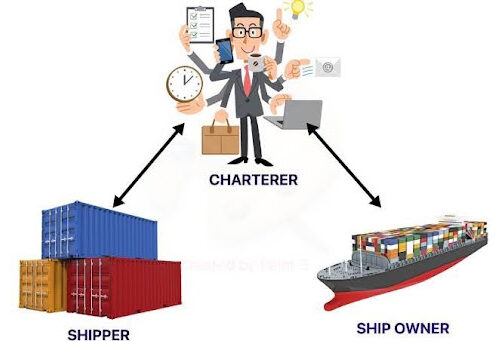
Many seafarers understand ships from the operational side. They know cargo work, port stay, machinery, voyage planning and life onboard. But many do not fully understand how a ship actually earns money for the owner or operator. This is where ship chartering becomes important. For seafarers who want to move ashore and enter the commercial side of shipping, ship chartering can be a strong career option. It connects vessel employment, cargo movement, freight earnings and revenue generation.
Ship chartering is different from technical management, surveys, crewing, purchase or vessel performance roles. It is a commercial role where business decisions directly affect the company’s income. A chartering professional must understand vessels, cargoes, ports, freight markets and commercial terms. This career is suitable for seafarers who have strong communication skills, interest in business, confidence in decision-making and the ability to work in a fast-moving environment where market conditions can change quickly.
What Is Ship Chartering?
In simple words, ship chartering means arranging employment for a vessel. If a company owns or operates a ship, that ship must carry cargo to earn revenue. A vessel lying idle does not make money. The chartering team ensures that the vessel is fixed for suitable cargo, suitable trade and suitable commercial terms. They check vessel position, cargo type, loading port, discharging port, freight rate, voyage cost, bunker cost, laycan and charter-party terms.
Why Ship Chartering Matters
A good chartering decision can improve revenue, reduce idle time and support company profitability. For example, if an owner has a bulk carrier available, the chartering team must find cargo that the ship can carry safely and profitably. They must also check whether the voyage makes commercial sense after considering fuel cost, port expenses and time. This is why ship chartering is not just paperwork. It is a revenue-focused role that affects the financial performance of the vessel.
Ship Chartering vs Ship Broking
Many seafarers confuse ship chartering with ship broking. Both are connected with commercial shipping, but they are not the same. A ship broker usually works as an intermediary between two parties and earns commission when a deal is fixed. A ship charterer generally works on the principal side, representing a shipowner, ship operator or cargo owner. In simple terms, the broker connects the deal, while the charterer protects the company’s commercial interest and takes decisions.
Which Career Gives Better Stability?
Ship broking can offer high commission-based earning potential, but it may involve more risk and lower starting salary. Ship chartering usually offers better fixed salary, more stability and more authority, although the commission upside may be lower than broking. For seafarers who want commercial exposure with stable income, chartering can be a practical option. For those who enjoy sales, networking and higher risk, ship broking may offer stronger long-term commission-based growth.
Who Can Enter Ship Chartering?
Ship chartering is usually not a direct entry-level role for fresh seafarers. Many companies prefer senior officers such as Masters or Chief Engineers because they bring maturity, vessel understanding, operational experience and decision-making ability. However, junior seafarers can enter through supporting roles such as chartering operations, post-fixture operations, vessel operations or freight operations. With time, they can learn cargo movement, freight calculations, market behaviour and commercial deal structures.
Can Marine Engineers Enter Chartering?
Deck officers may have a natural advantage because they understand cargo operations, ports, voyage planning and charter-party-related matters. Marine engineers can also enter ship chartering if they build commercial knowledge and improve communication skills. Their understanding of machinery, fuel consumption, vessel performance and operational problems can be useful in commercial decisions. However, they must learn how vessel operations affect revenue, voyage cost, freight negotiations and charter-party terms before shifting properly into chartering.
Skills Required for Ship Chartering
Ship chartering requires a mix of shipping knowledge, commercial thinking and people skills. Strong communication is very important because charterers deal with brokers, owners, operators, cargo interests, agents and internal teams. Negotiation skills are also needed because freight rates, laycan, demurrage, bunker cost, port expenses and charter-party terms directly affect profit. A charterer must also understand vessels and cargo so they can judge whether a voyage is commercially and operationally suitable.
Market Awareness and Decision-Making
Freight markets can change quickly, so market awareness is a key skill in ship chartering. A charterer must follow vessel positions, cargo availability, demand and supply, fuel prices, weather impact, port congestion and global trade movement. Decision-making is equally important because one wrong commercial decision can reduce profit, delay a vessel or create complications. This role needs confidence, judgement and the ability to act quickly with the right information.
Salary and Opportunities in Ship Chartering
Ship chartering can offer a better starting salary than ship broking, especially for senior seafarers. A Master or Chief Engineer entering chartering may start around ₹2 lakh per month or slightly more, depending on company, location and responsibility. A person with ship broking or commercial shipping experience may earn around ₹4 lakh to ₹5 lakh per month. Opportunities may exist in ship-owning companies, vessel operators, cargo-owner companies, commodity companies and commercial shipping firms.
Courses and Upskilling for Ship Chartering
There is no single compulsory course for ship chartering, but learning commercial shipping can help. Seafarers can explore courses related to shipbroking, chartering, freight markets, voyage estimation and charter-party understanding. The Institute of Chartered Shipbrokers is one recognised route for commercial shipping knowledge. Full-time shipping courses from reputed institutions in the UK or Greece can also help with exposure and networking. However, a course alone will not guarantee a job without practical learning and networking.
How to Apply for Ship Chartering Jobs
Seafarers can search for roles such as Chartering Executive, Assistant Chartering Manager, Chartering Manager, Post-Fixture Executive, Chartering Operations Executive, Vessel Operator, Commercial Operations Executive and Freight Operations Executive. They can apply through LinkedIn, company websites, shipbroking firms, vessel operating companies, cargo-owner companies, commodity companies and professional references. The CV should not look like only a sailing CV. It should highlight vessel knowledge, cargo exposure, voyage experience, communication skills and commercial interest.
Table of Contents
What to Expect in This Career
Ship chartering is not a routine office job. It needs quick thinking, market awareness, commercial responsibility, negotiation and pressure handling. The chartering team directly affects vessel employment and company revenue. If a vessel is fixed well, the company earns properly. If the decision is poor, the vessel may lose time, earn less or face commercial complications. This career suits seafarers who enjoy business, communication, numbers, markets and responsibility.
Final Advice for Seafarers
Ship chartering is a strong shore career option for seafarers who want to enter commercial shipping. Your sea experience can help you understand vessels and operations, but to succeed in chartering, you must add commercial awareness, negotiation skills, market understanding and confidence in decision-making. Start learning chartering basics, study freight markets, improve communication and build a strong network. Sailor Pro app, an initiative by Merchant Navy Decoded, helps seafarers explore shore career guidance and maritime learning.
Senior seafarers may start around ₹2 lakh per month or more, while experienced commercial shipping professionals may earn higher depending on role and company.
Seafarers can apply through LinkedIn, company websites, shipbroking firms, vessel operators, cargo-owner companies and professional references.
Disclaimer :- The opinions expressed in this article belong solely to the author and may not necessarily reflect those of Merchant Navy Decoded. We cannot guarantee the accuracy of the information provided and disclaim any responsibility for it. Data and visuals used are sourced from publicly available information and may not be authenticated by any regulatory body. Reviews and comments appearing on our blogs represent the opinions of individuals and do not necessarily reflect the views of Merchant Navy Decoded. We are not responsible for any loss or damage resulting from reliance on these reviews or comments.
Reproduction, copying, sharing, or use of the article or images in any form is strictly prohibited without prior permission from both the author and Merchant Navy Decoded.