Many marine engineers reach a stage where they start thinking about quitting sea life and moving ashore. Some want a stable lifestyle, while others want to stay connected with the maritime industry in a specialised role.
Maritime law can be a strong shore career option for such professionals. It is different from regular shore jobs like Technical Superintendent, Marine Superintendent or Surveyor. This field combines shipping knowledge, legal understanding, claims, disputes, documentation and communication skills.
What Is Maritime Law?
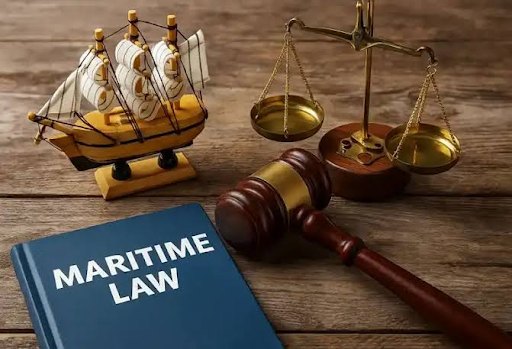
Maritime law is the area of law that deals with shipping, vessels, cargo, crew, marine insurance, claims, contracts, collisions, pollution, charter-party disputes and other maritime matters.For marine engineers, this field becomes interesting because many legal matters are connected with technical issues. A machinery failure, breakdown, repair dispute or accident may not remain only a technical problem. It may also become a legal, commercial or insurance-related issue.
Who Should Choose Maritime Law?
Maritime law is suitable for marine engineers who enjoy reading, research, analysis and detailed study. This career is not ideal for someone who wants a quick and easy shore job.
A person entering this field should be comfortable with long documents, legal language, technical records, reports and case analysis. If you like studying incidents, connecting facts and forming a clear opinion, maritime law can suit you well.
Why Continuous Learning Is Important
Maritime law is not a field where one course is enough for life. Professionals in this area must keep learning, reading and updating themselves.
New cases, legal interpretations, insurance practices, shipping contracts and international regulations keep changing. A marine engineer who wants to grow in maritime law must be ready for continuous learning. This field rewards people who are patient, disciplined and serious about building deep knowledge.
Why Marine Engineers Can Do Well in Maritime Law
Marine engineers have a strong advantage because they understand ships from the inside. They know how machinery works in real operating conditions.
Many maritime disputes involve technical matters such as main engine failure, auxiliary engine breakdown, fuel-related damage, poor maintenance, dry-dock disputes, repair claims and accident investigations. A lawyer may understand the legal side, but a marine engineer understands what actually happens onboard.
How Sea Experience Helps in Legal Work
Sea experience helps marine engineers explain technical matters practically and reliably. They can understand logbooks, maintenance records, machinery history, breakdown reports and repair documents better than someone with no shipboard exposure.
When this technical knowledge is combined with legal understanding, the person becomes valuable in claims, investigations, expert reports and dispute resolution. This is why experienced Second Engineers and Chief Engineers can do well in maritime law-related roles.
Skills Required for a Maritime Law Career
Maritime law requires more than sailing experience. A marine engineer must develop strong reading, research, interpretation and writing skills.
You should be able to read long documents patiently and understand the meaning behind every clause, statement, record and technical detail. Analytical thinking is also important. You must study what happened, why it happened, who may be responsible and what documents support the case.
Communication and Report Writing Skills
Communication is very important in maritime law. You must be able to explain your opinion clearly in writing and speaking.
In claims and legal support work, every word matters. A small mistake in interpretation can weaken the position of a client. Report writing should be clear, factual and professional. A strong report can help lawyers, insurers, shipowners and claims teams understand the technical side of a dispute.
Attention to Detail in Maritime Law
Attention to detail is one of the most important skills in this career. Maritime law involves contracts, emails, class records, survey reports, logbooks, repair invoices, insurance papers and technical documents.
Missing one important detail can affect the strength of a case. This field is suitable for marine engineers who are patient, disciplined and comfortable with deep study. It is not suitable for someone who wants results without consistent effort.
Maritime Law Courses and Colleges
The right education can help marine engineers enter this field with better understanding. In India, Gujarat Maritime University is one option where maritime law is an important area of study.
However, experienced marine engineers should carefully check the course level, syllabus, faculty, fees, placement support and long-term value before joining any course. Maritime law education should be treated as a career investment, not just another certificate.
Maritime Law Courses Abroad
For experienced marine engineers with five to seven years of sea experience or more, studying abroad can also be a strong option.
The United Kingdom is considered a good destination for maritime law education because of its strong connection with shipping, insurance, arbitration and legal practice. Universities such as Swansea University and the University of Southampton are known options for maritime law studies. Before applying, candidates should check course structure, visa rules, fees, alumni network and career support.
Opportunities After Maritime Law
The first few months after completing a maritime law course may be challenging. A person may need time to understand the market, build contacts and identify the right roles.
After gaining clarity, many opportunities can open up. Marine engineers can work with maritime law firms, P&I clubs, marine insurance companies, surveying companies, arbitration firms, shipping companies, claims departments and maritime consultancy firms.
Job Roles After Maritime Law
A marine engineer with maritime law knowledge can work as a Maritime Claims Executive, Marine Claims Consultant, P&I Claims Executive, Marine Insurance Claims Executive, Arbitration Support Executive, Technical Consultant, Maritime Legal Researcher or Expert Witness Assistant.
Some professionals may also support lawyers in technical disputes. With further qualifications and experience, they may move deeper into maritime legal practice, consultancy or expert opinion work.
Internal Shift from Technical to Claims Department
Another practical route is to shift within the same shipping company. A marine engineer working in a technical department can slowly move towards the commercial, insurance or claims department.
This can be a smoother transition because the person already understands vessel operations, company systems and technical background. Commercial departments often deal with charter-party issues, cargo claims, machinery claims, insurance matters and vessel performance disputes.
Maritime Law Career in India and Abroad
Maritime law opportunities exist in India, but the market may be smaller compared to international shipping hubs. In India, professionals may find roles in shipping companies, insurance firms, claims teams, legal departments, consultancy firms and surveying companies.
For marine engineers with strong experience and good qualifications, opportunities abroad may offer wider exposure. However, moving abroad requires planning, networking, communication skills, work permission and patience.
Opportunities in International Maritime Hubs
Countries and regions with strong shipping, arbitration and insurance markets may offer better opportunities in maritime law. The United Kingdom, Singapore and Dubai are examples of major maritime hubs.
These places may have demand for professionals in claims, arbitration, P&I, insurance and maritime legal support. However, entry is not automatic. A person must build the right qualification, network, communication ability and professional credibility.
Salary Expectations in Maritime Law
Salary in maritime law is difficult to generalise because it depends on qualification, location, role, experience, network and reputation.
In the beginning, salary may not be very high. This is because the person is entering a new field after sailing. The first phase may involve learning, assisting senior professionals, studying legal documents, understanding claims and building practical knowledge.
Long-Term Growth and Earning Potential
The long-term potential in maritime law can be strong for the right person. In this field, knowledge, reputation and credibility matter a lot.
Once people start trusting your opinion, your professional value increases. Skilled professionals can grow through employment, consultancy, expert reports, arbitration support, claims handling or independent practice. This career may start slowly, but it can become rewarding with time and consistency.
How Marine Engineers Can Apply for Maritime Law Roles
Marine engineers should prepare a focused shore-based CV before applying. The CV should not only mention sailing experience.
It should clearly highlight rank held onboard, machinery knowledge, breakdown handling, accident investigation exposure, report writing, technical documentation, communication skills and any legal, insurance or claims-related qualification. A general sailing CV may not be enough for maritime law-related roles.
Job Titles to Search For
Marine engineers interested in this field can search for job titles such as Maritime Claims Executive, Marine Claims Consultant, Legal Executive Shipping, P&I Claims Executive, Marine Insurance Claims Executive, Arbitration Support Executive, Marine Technical Consultant and Maritime Legal Researcher.
Applications can be made through maritime law firms, P&I clubs, insurance companies, ship-management companies, surveying companies, arbitration firms, commercial shipping companies and LinkedIn networking.
Why Networking Is Important
Networking is very important in maritime law. Many good opportunities may come through professional contacts instead of open job advertisements.
Marine engineers should connect with maritime lawyers, claims professionals, P&I experts, surveyors, senior mariners and people already working in maritime disputes. A strong network can help you understand the market, find opportunities and build credibility in this specialised field.
What to Expect in This Career
Maritime law is not a shortcut to an easy shore job. It requires serious study, patience and professional maturity.
You should be ready to read heavy documents, analyse incidents, study contracts, prepare reports and understand legal language. You may work with lawyers, surveyors, shipowners, insurers, charterers and shipping professionals. Initial growth may be slow, but the learning can be valuable.
Table of Contents
Final Advice for Marine Engineers
Maritime law can be an excellent shore career option for marine engineers who are studious, analytical and interested in legal and commercial matters.
It is especially suitable for Second Engineers and Chief Engineers who want to use their technical experience in a specialised professional field. This career can lead to opportunities in claims, arbitration, insurance, P&I, legal support, technical consultancy and expert opinion.
Choosing a shore career is not only about leaving sailing. It is about finding the right path where your sea experience can create long-term value. Sailor Pro app, an initiative by Merchant Navy Decoded, helps seafarers understand career options, plan their next move and make better decisions with confidence.
Yes, marine engineers can enter maritime law, especially if they have strong technical experience and interest in legal, commercial and claims-related matters.
Not always. Some roles in claims, insurance, P&I, consultancy and technical support may value marine engineering experience with maritime law knowledge. However, a law degree or maritime law course can improve opportunities.
Maritime law courses from reputed universities can be useful. Candidates should check syllabus, fees, faculty, placement support, alumni network and long-term career value before choosing a course.
Marine engineers can work in maritime claims, P&I clubs, marine insurance, arbitration support, legal support, technical consultancy, maritime research and expert opinion roles.
Salary depends on location, role, qualification, experience and reputation. Initial salary may be moderate, but long-term earning potential can be strong for skilled professionals.
India has opportunities, but international maritime hubs may offer wider exposure and stronger role variety. However, abroad opportunities require qualification, networking, work permission and patience.
Chief Engineers can start by building legal and claims knowledge, preparing a focused shore CV, networking with maritime professionals and applying for claims, insurance, P&I or technical consultant roles.
Disclaimer :- The opinions expressed in this article belong solely to the author and may not necessarily reflect those of Merchant Navy Decoded. We cannot guarantee the accuracy of the information provided and disclaim any responsibility for it. Data and visuals used are sourced from publicly available information and may not be authenticated by any regulatory body. Reviews and comments appearing on our blogs represent the opinions of individuals and do not necessarily reflect the views of Merchant Navy Decoded. We are not responsible for any loss or damage resulting from reliance on these reviews or comments.
Reproduction, copying, sharing, or use of the article or images in any form is strictly prohibited without prior permission from both the author and Merchant Navy Decoded.