Hi this is Team Merchant Navy Decoded !!!

Please fill the below form with your query and we will get back to you in next 12 hours.

Rest assured your data is safe with us !!!🙂

Ask Your Query

Family Financial Planning for Seafarers

Many seafarers work hard at sea to build a better life for their families. They stay away from home for months, earn during contracts, and try to create a secure future. But one important question is often ignored: if something happens or you are unreachable onboard, will your family know what to do? Family financial planning is not only about earning and investing. It is also about keeping your spouse and family informed, prepared, and protected before you sail.

What Should Seafarers Tell Their Family Before Sailing?

Family Financial Planning for Seafarers

Before sailing, a seafarer should explain the basic money plan to the family. This includes salary account, family expense account, emergency money, loans, insurance, investments, property papers, and important contacts. The goal is not to create fear. The goal is to reduce confusion during an emergency. Your spouse does not need to become a finance expert. But they should know where the important information is kept and whom to contact if you are not available.

Bank Account Details Family Should Know

Bank Account Details

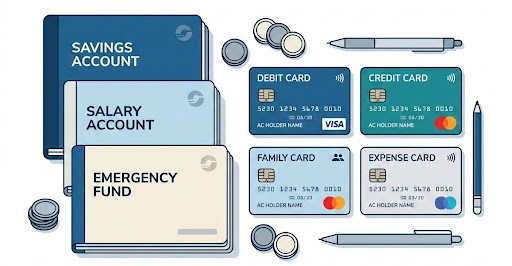
Your family should know which bank accounts exist and what each account is used for. One account may receive salary. Another may be used for household expenses. Another may hold emergency money. Keep a simple list with bank name, account type, branch, and purpose. Do not write full passwords or PINs in an unsafe place. RBI has issued directions for settlement of claims in deceased depositors’ accounts, so keeping bank details and nominees organised can help family handling later.

Salary Account and Expense Account Information

Salary Account and Expense Account Information

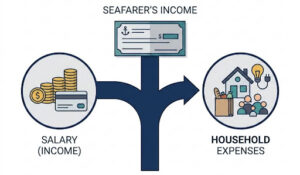
Your spouse should know where your salary is credited and which account is used for family expenses. Many families face confusion because money comes into one account, EMIs go from another, and investments are linked to a third account. This can create stress if the seafarer is onboard and unreachable. Keep the system simple. Tell your spouse which account has monthly expenses, which account has emergency money, and which account should not be touched unless needed.

Nominee Details in Bank Accounts

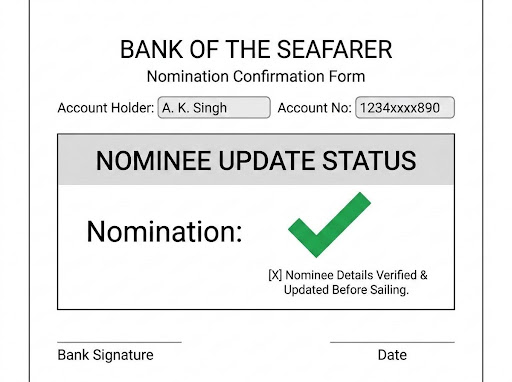
Nominee details are very important. A nominee helps the bank identify who can claim money after the account holder’s death, subject to bank rules and legal process. RBI has guidelines for handling claims in deposit accounts of deceased customers, including claims involving survivors or nominees. A seafarer should check nominee details in savings accounts, fixed deposits, lockers, and other bank products. Do not assume the nominee is already updated. Verify it before sailing.

Nominee Details in Investments and Insurance

Nominee Details in Investments and Insurance

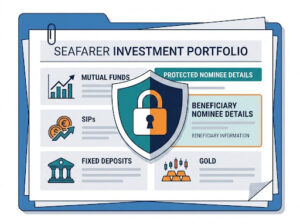
Nominee details should also be updated in mutual funds, demat accounts, insurance policies, fixed deposits, and other investments. If nominee details are missing or outdated, family may face extra paperwork later. Marriage, childbirth, divorce, death in family, or change in relationship can make old nominee details unsuitable. A seafarer should review nominees before every major life change and before long contracts. Nomination does not remove all legal issues, but it can make the process easier for family.

Table of Contents

Insurance Policy Details Family Must Know

Insurance Policy

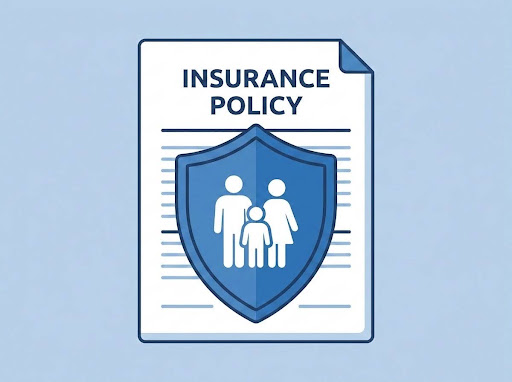
Insurance is useful only when family knows it exists. Your spouse should know the insurance company name, policy number, sum assured, premium due date, nominee name, and claim contact. Keep digital and physical copies of policy documents. Also explain whether the policy is term insurance, health insurance, accident cover, or employer-related cover. Many people buy insurance but never explain it to the family. During an emergency, this creates confusion. Protection should be known, not hidden.

Health Insurance Details for Family Use

Health Insurance Details for Family Use

Health insurance details should be easy to find. Your family should know the insurer name, policy number, TPA or claim contact, network hospital details, cashless card, and emergency helpline. The policyholder portal explains that after hospitalisation, documents such as claim form, discharge summary, prescriptions and bills should be kept ready for health insurance claims. This is why your family should know the claim process before an emergency happens, not after it.

Term Insurance Details and Claim Process

Term Insurance Details

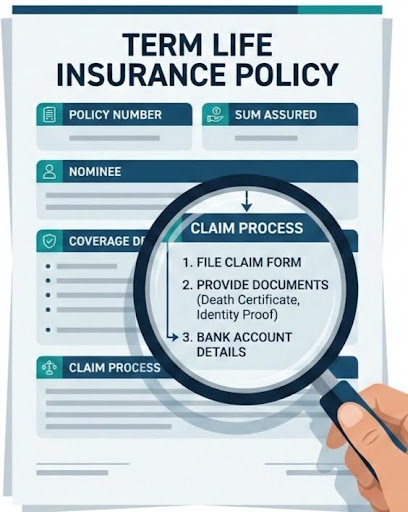
If your family depends on your income, term insurance details are very important. Your spouse should know the policy number, nominee name, insurer contact, premium status, and basic claim process. Life insurance claim documents commonly include claim form, original policy document, death certificate, claimant identity proof, and additional documents in accidental death cases, depending on policy terms. Do not keep these details only in your phone. Keep them in a family financial file.

Loan and EMI Details Before Sailing

Loan and EMI Details

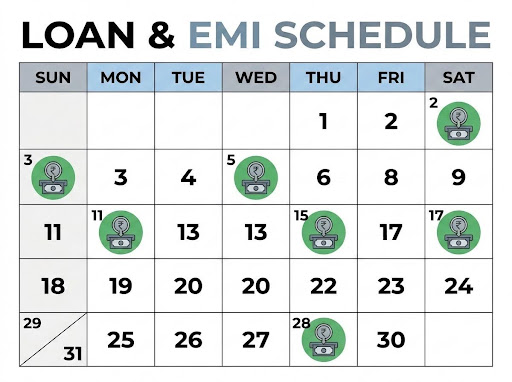
Your family should know all loan and EMI details before you sail. This includes home loan, car loan, personal loan, credit card dues, business loan, or any money borrowed from relatives or friends. Mention EMI amount, due date, bank account used, loan balance, and lender contact. If your spouse does not know about loans, they may face shock later. A loan should never be a hidden burden. Clear information helps the family plan expenses properly.

Emergency Money Details for Family

Emergency Money Details for Family

Emergency money should be separate and easy to access. Your spouse should know where this money is kept and when it can be used. Emergency money may help during medical issues, travel problems, contract delay, document renewal, school fees, or family crisis. Do not lock the full emergency fund in difficult-to-access products. If the family does not know where emergency money is, the fund is not useful. Safety money should be simple, clear, and available.

Investment Details Family Should Know

Investment Details

Your family should know the basic details of your investments. This includes mutual funds, SIPs, stocks, bonds, PPF, NRE FD, FCNR, gold, property, or business investment. The aim is not to make your spouse manage everything daily. The aim is to ensure they know what exists. Keep folio numbers, platform names, advisor contacts, nominee details, and document location organised. If investments are only in your memory or phone, family may struggle later.

Mutual Fund and SIP Information

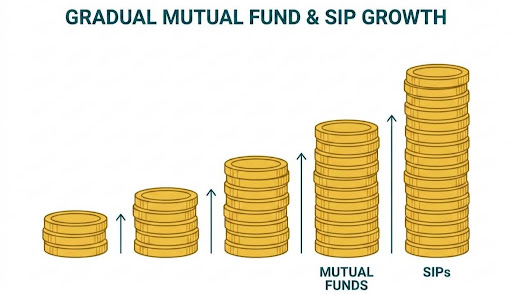
For mutual funds and SIPs, keep a simple record of AMC name, folio number, SIP amount, bank mandate, nominee, investment platform, and advisor contact if any. Your spouse should know whether SIPs are for retirement, children’s education, house planning, or general wealth creation. If SIPs are stopped or continued wrongly, the plan can get disturbed. Keep it simple. Mention which investments are long-term and which can be used during emergency only after discussion.

Fixed Deposit and NRE FD Details

Fixed Deposit

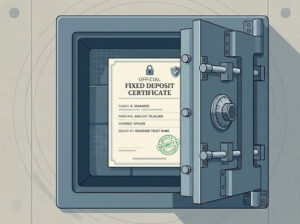
Fixed deposits and NRE FDs should be recorded properly. Mention bank name, FD number, maturity date, interest payout option, nominee, and whether it is linked to any loan or overdraft. If the FD is for emergency money, your spouse should know how to access it. If it is for long-term safety, mention that also. Many families do not know about deposits until much later. A simple FD list can prevent confusion during difficult times.

Property Papers and Important Documents

Property Papers and Important Documents

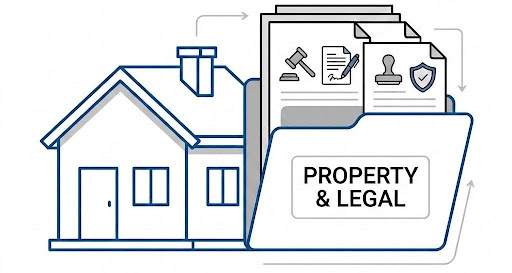
Property papers should be easy to locate. This includes sale deed, agreement, loan papers, tax receipts, maintenance records, RERA details where applicable, property insurance, and society documents. If land is involved, keep survey number, mutation papers, boundaries, and legal verification copies safely. Your spouse should know where original documents are kept. Property can become stressful if papers are missing. A seafarer should not leave property details scattered in multiple places without explanation.

Important Contacts to Save Before Sailing

Important Contacts

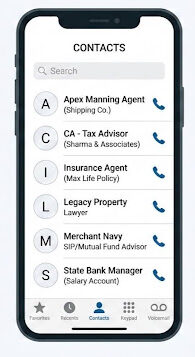
Before sailing, save important contacts in your spouse’s phone and family financial file. These contacts may include bank manager, insurance advisor, CA, investment advisor, property lawyer, shipping company contact, manning agent, close relative, and trusted friend. Also include emergency helpline numbers where relevant. During stress, people forget names and numbers. A ready contact list can save time. Do not depend only on your phone because your family may not have access when needed.

Trusted Person or Financial Advisor Contact

Trusted Person or Financial Advisor Contact

Every seafarer should identify one trusted person who can guide the family if needed. This may be a CA, financial advisor, lawyer, elder sibling, close friend, or responsible relative. But choose carefully. The person should be honest, knowledgeable, and calm. Do not give financial control blindly. The trusted person should only guide your family to the right place. Mention their name, phone number, and role clearly in the family financial file.

Passwords, OTPs and Login Safety

Passwords, OTPs and Login Safety

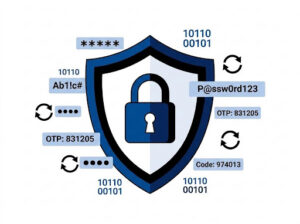
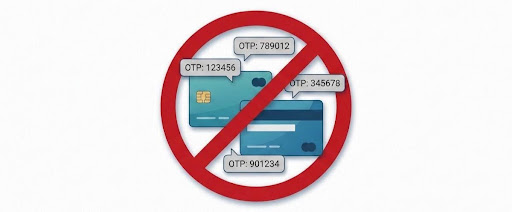
Financial planning does not mean sharing passwords carelessly. Passwords, OTPs, UPI PIN, ATM PIN, CVV, and net banking credentials must be protected. RBI has repeatedly warned users not to share ATM or card details, passwords, PINs, OTPs, CVV or UPI PIN, and says banks and payment operators never ask for such details. Your spouse should know the system, but sensitive login access should be handled safely and responsibly.

What Financial Details Should Not Be Shared Carelessly?

Financial Details Should Not Be Shared

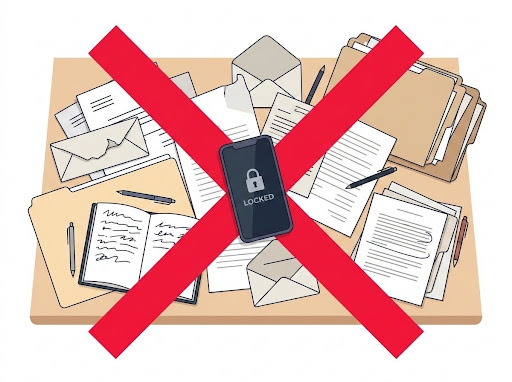
Do not share passwords, OTPs, PINs, CVV, card details, net banking login, demat login, or trading passwords carelessly. Do not write sensitive details in an open notebook or WhatsApp chat. Do not share financial access with friends, relatives, or strangers. Even within family, information should be organised safely. Your spouse should know what accounts and policies exist, but digital access should be protected. Responsible sharing is different from careless sharing.

How to Keep Money Details Safe and Organised

How to Keep Money

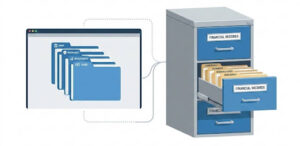
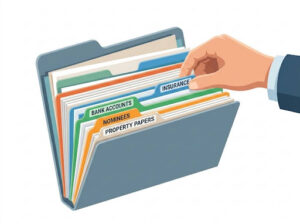
Keep money details in two formats: physical and digital. A physical file can hold copies of documents. A digital folder can hold scanned copies. Use clear names like Bank Accounts, Insurance, Loans, Property, Investments, and Emergency Contacts. Keep original documents in a safe place. Do not store sensitive passwords openly. Review the file before every contract. The goal is simple: your family should know what exists, where it is kept, and whom to contact.

What Your Wife or Spouse Should Know Before Sailing

Your wife or spouse should know the basic financial picture. This includes income pattern, monthly family expenses, emergency fund, insurance policies, loans, investments, property papers, and important contacts. This discussion should not be scary or negative. It should be practical and calm. A spouse should not feel helpless if you are unreachable at sea. Money planning becomes stronger when both partners understand the basics. It also builds trust and reduces confusion during emergencies.

Money Discussion Before Joining Ship

Before joining ship, sit with your spouse and explain the money plan. Tell them which account receives salary, which account pays expenses, where emergency money is kept, and which policies are active. Explain loan EMIs, SIPs, property papers, and important contacts. Keep the discussion simple. Do not overload them with technical terms. The purpose is clarity. One peaceful discussion before sailing can prevent panic later. Update this discussion whenever your financial situation changes.

Documents Family Should Be Able to Find

Documents Family Should Be Able to Find

Your family should be able to find passport copy, CDC copy, CoC copy, medical certificate, insurance policies, bank records, FD receipts, investment statements, loan documents, property papers, nominee records, tax documents, and emergency contact list. Keep original and copies separately. Also keep digital backups. If documents are not organised, family may waste time during urgent situations. A seafarer’s document discipline should not stop at sailing papers. Financial papers also need proper arrangement.

Common Mistakes Seafarers Make Before Sailing

Common Mistakes Seafarers Make Before Sailing

Common mistakes include hiding all financial details, not updating nominees, keeping documents only in phone, not explaining insurance, not sharing loan details, not keeping emergency money accessible, and not saving important contacts. Another mistake is sharing passwords carelessly. Both extremes are risky. Complete hiding creates confusion. Careless sharing creates fraud risk. A balanced system is best. Tell your spouse what they need to know and protect sensitive access properly.

Final Advice on Family Financial Planning for Seafarers

Family financial planning before sailing is not about fear. It is about responsibility. A seafarer works hard to protect the family’s future. That protection is incomplete if the family does not know what to do during an emergency. Share information responsibly. Keep documents organised. Update nominees. Explain insurance and loans. Keep emergency money accessible. Protect passwords and OTPs. Before every contract, review your family financial file. Do not wait for an emergency to organise your money life.

Keep Your Family Financially Prepared

For seafarers, financial planning is not only about selecting one product. It is about understanding your goals, knowing the risks, protecting your future, and making disciplined financial decisions. Download Sailor Pro app – Built for Seafarers, an Initiative by Merchant Navy Decoded, to stay more organised and confident in your financial planning. You can also follow finance_for_seafarers on Instagram and join the WhatsApp channel Financial Management for Seafarer for practical money guidance created especially for seafarers.

Frequently Asked Questions (FAQs)

Seafarers should tell their family about bank accounts, insurance, nominees, loans, investments, emergency money, property papers, and important contacts.

Yes. The spouse should know which bank accounts exist, which account receives salary, and which account is used for family expenses.

Family should know insurer name, policy number, nominee, premium status, claim contact, and where policy documents are kept.

Nominee details help family handle bank accounts, deposits, insurance, and investments more smoothly during difficult situations.

Family should know about insurance policies, bank records, FD receipts, investment statements, loan papers, property documents, and tax records.

Passwords, OTPs, PINs, CVV, and UPI PIN should not be shared carelessly. Share the system responsibly, but protect sensitive access.

She should know salary account, expense account, emergency money, loans, insurance, nominees, investments, documents, and trusted emergency contacts.

Yes. Family should know EMI amount, due date, loan balance, lender name, and the account from which EMI is deducted.

Family should know where emergency money is kept, how much is available, and when it should be used.

Before every contract, seafarers should update nominee details, insurance records, bank account list, loan details, emergency contacts, and family financial file.

Disclaimer :- The opinions expressed in this article belong solely to the author and may not necessarily reflect those of Merchant Navy Decoded. We cannot guarantee the accuracy of the information provided and disclaim any responsibility for it. Data and visuals used are sourced from publicly available information and may not be authenticated by any regulatory body. Reviews and comments appearing on our blogs represent the opinions of individuals and do not necessarily reflect the views of Merchant Navy Decoded. We are not responsible for any loss or damage resulting from reliance on these reviews or comments.

Reproduction, copying, sharing, or use of the article or images in any form is strictly prohibited without prior permission from both the author and Merchant Navy Decoded.

DIWALI SALE

Decoded Discount Alert! up to 50% OFF

DIWALI SALE

Decoded Discount Alert! up to 50% OFF

Use Coupon Code Deep50

Days
Hours
Seconds
0
Would love your thoughts, please comment.x
()
x