Hi this is Team Merchant Navy Decoded !!!

Please fill the below form with your query and we will get back to you in next 12 hours.

Rest assured your data is safe with us !!!🙂

Ask Your Query

Engineers Call Alarm

Engineers Call Alarm

Imagine it’s a quiet night and your engine room is running remotely. The duty engineer is in their cabin. Something goes wrong. A fuel pump trips. The Bilge level rises. The temperature is above limits. There is a machinery alarm in the control room but no one is there. The speed at which someone is alerted will determine what happens. The engineers’ call alarm is a simple system to ensure that someone is contacted no matter where they are on board.

Engineers’ Alarm vs Engineers’ Call (Extension) Alarm

Often people use the terms interchangeably.The engineers’ alarm is a SOLAS requirement. This can be activated from the engine control room or manoeuvring platform. It must be clearly heard in the engineers’ accommodation. This is the ‘All engineers come now’ alarm. This should be used in an emergency or to provide extra help to the duty engineer.

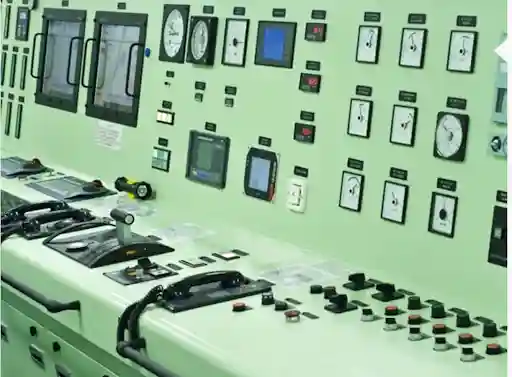
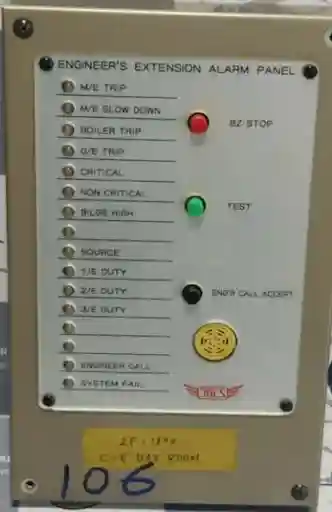
The engineers’ call (extension) alarm is part of the machinery alarm system. This forwards machinery alarms from the engine room to the engineers’ accommodation (cabins, mess

room, bridge and public areas).Many ships will have shared components between systems. However, they have very different purposes. The engineers’ alarm is a manual emergency alarm whereas the engineers’ call alarm is an automated system to ensure alarms are heard.

Engineers’ Alarm vs Engineers’ Call

Typical Components Of The System

  • Manual call button – Located in the engine control room and manoeuvring platform. Activating this will cause the engineers’ alarm to sound.
  • Sounders and indicators – Located in the engineers’ cabins, mess rooms, recreational areas and anywhere the engineers are likely to be.
  • Machinery alarm system – Detects faults in the machinery.
  • Extension alarm panel – Located on the bridge and public areas. Indicates a general machinery alarm or group alarm.
  • Duty engineer selector – Switch located in the control room. This selects which engineer is on duty. The call system will forward the alarm to the engineers’ cabin first.
  • Watchkeeping/dead man alarm – Some ships will have this. Ensures the person in the machinery space is still responsive when running remotely. An alarm will be raised if they are not.
  • Power supply – Supplied from the main source with an emergency back up.

Table of Contents

Engine Room Running Remotely

On a UMS ship the machinery alarm system will be monitoring the plant. The engineers’ call system will alert someone to the fault. Here is a typical sequence:-

  1. A fault occurs, this could be a high temperature, low pressure, high level or trip. The machinery alarm system detects this and sounds in the engine control room.
  2. As the area is running remotely the duty engineer selector will be selected. This means that the alarm will be forwarded to the duty engineer’s cabin and public areas. The engineer will hear the call buzzer or see an indication that there is a machinery alarm.
  3. The engineer will attend the engine room and acknowledge the alarm at the panel. This will cause the call to stop.
  4. If the alarm is not acknowledged within a set time the system will escalate. The call will be passed to the remaining engineers and often the bridge and chief engineer. This will ensure the alarm is not missed due to one person not acknowledging. The time it takes to escalate can be adjusted and will depend on the ship.

The key point is that the system will escalate.

Manual Engineers’ Alarm

Manual button. Used when extra help is required from the duty engineer quickly. This can be:-

  • Fire or flooding in machinery space.
  • Blackout or main engine failure in restricted waters.
  • Major machinery failure e.g. steering gear or main engine.
  • Manoeuvring situation requiring additional engineers in the engine room.
  • Any emergency that requires the duty engineer assistance and cannot leave the controls.

When the button is pressed the alarm will sound in the accommodation. This means the engineers know to go to the engine room. Everyone should know what the alarm sounds like and what to do. Typically this will be to go to the engine control room or where instructed by the duty engineer.

Where The Alarm Sounds

The system will sound in:-

  • Engineers’ cabins.
  • Mess and recreational areas.
  • Public areas and corridors.
  • Bridge (extension alarm).

Some systems will have a visual indicator. This is useful in noisy areas or if someone is sleeping with ear protection on.

Power Supply

The alarm system would be useless if it stopped when the power went off. Often the alarm system will be required when there is a power issue. The alarm will normally be powered from the main source with an emergency back up. It should be automatic. The wiring and components will be designed so that a single fault will not cause the entire system to fail. Many systems will have self monitoring to detect faults such as a broken wire or faulty sounder. This will indicate a fault.

Testing

If the alarm is never tested it may not work when required. The call system should be tested regularly. Typically this will be done as part of planned maintenance and pre-departure checks.

A good test will ensure:-

  1. The manual button causes the alarm to sound in all the correct places including cabins, mess room and bridge.
  2. A machinery alarm will be passed to the extension alarm and duty engineer call.
  3. The alarm will escalate.
  4. The alarm will stop once acknowledged.
  5. The emergency power will work.
  6. If the ship has a watchkeeping/dead man alarm this should react correctly.

The results should be recorded. Any defects should be reported and rectified quickly.

Common Faults

There are a few common faults:-

  1. Blocked, damaged or muted sounders. Ensure that the alarm can clearly be heard, even with the door closed on the cabin.
  2. Incorrect duty engineer selected:1 The call will be passed to the wrong cabin.
  3. Faulty buttons or wiring: Stuck button, loose terminal or damaged cable.
  4. Alarms disabled/cancelled: Sometimes areas will be isolated whilst maintenance is being carried out.
  5. Alarm fatigue: If the machinery alarm system is giving lots of false alarms people will start to ignore them. Ensure the alarm system is well maintained. Rectify any recurring faults. Don’t allow false alarms to become the norm.

Good Practice

  • Everyone should know what the alarm sounds like and what it means. Whether it is a machinery call or emergency engineers’ alarm.
  • Ensure the duty engineer selector is set correctly. This should happen at every handover. The correct person should know they are on duty.
  • Acknowledge the alarm quickly. Acknowledgement at the panel.
  • Never leave the machinery space unattended without ensuring the alarm and call system is working and turned on.
  • If there is any defect, report it immediately.
  • Ensure the alarm is included in drills.

Conclusion

Modern engine rooms will often run remotely for long periods of time. The system ensures that someone will be alerted and will continue to try until someone responds. The engineers’ call alarm is simple but is one of the factors that makes an unmanned machinery space safe. Ensure it is well tested, the selector is set correctly and the crew treat every call as genuine.

Frequently Asked Questions (FAQs)

An alarm that is a SOLAS requirement. This can be activated from the engine control room or manoeuvring platform. It must be clearly heard in the engineers’ accommodation. This is used to call engineers into the engine room in an emergency.

The engineers’ alarm is a manual emergency alarm. The engineers’ call/extension is part of the machinery alarm system. This will automatically pass machinery alarms to the accommodation and bridge on UMS ships.

To identify which engineer is on duty. This will ensure machinery alarms are passed to the correct engineers’ cabin.

After a set amount of time the alarm will escalate. This will cause the call to be passed onto the other engineers. Often this will include the bridge and chief engineer. This will ensure the alarm is not missed.

Often emergencies will involve a power issue. The alarm must work during a blackout.

Regularly. Typically this will be done as part of planned maintenance and checks. This will depend on the ship’s procedures and class requirements.

A watchkeeping alarm. This ensures that the person in the unattended machinery space is still responsive. An alarm will be raised if they are unable to reset it in time.

Disclaimer :- The opinions expressed in this article belong solely to the author and may not necessarily reflect those of Merchant Navy Decoded. We cannot guarantee the accuracy of the information provided and disclaim any responsibility for it. Data and visuals used are sourced from publicly available information and may not be authenticated by any regulatory body. Reviews and comments appearing on our blogs represent the opinions of individuals and do not necessarily reflect the views of Merchant Navy Decoded. We are not responsible for any loss or damage resulting from reliance on these reviews or comments.

Reproduction, copying, sharing, or use of the article or images in any form is strictly prohibited without prior permission from both the author and Merchant Navy Decoded.

DIWALI SALE

Decoded Discount Alert! up to 50% OFF

DIWALI SALE

Decoded Discount Alert! up to 50% OFF

Use Coupon Code Deep50

Days
Hours
Seconds
0
Would love your thoughts, please comment.x
()
x