The ocean has always been very fascinating for people who love adventure, discipline, and tough work. There are some of the most exciting career choices that are associated with the maritime field in India—merchant navy and Indian navy. Both of these jobs are considered careers in which people work on water, on ships, and live on water for certain periods of time. However, the purpose of the job, responsibility of the job, work environment, and future of the job are totally different from each other.
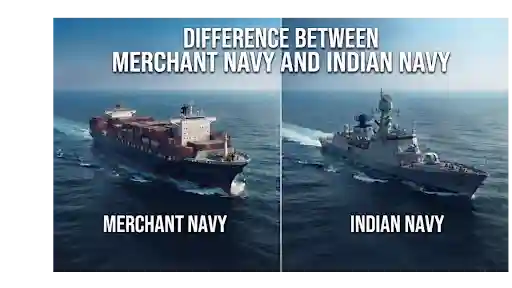
The common myth among students about both careers is that the Merchant Navy and the Indian Navy are the same. They are not. The Merchant Navy has its relation with international shipping and business operations, whereas the Indian Navy is one of the three wings of the Indian Armed Forces to secure the interests of India in water.
If you are confused about how to start a career in the Merchant Navy, this video from Merchant Navy Decoded can help you understand the process in a simple way. It covers the basic eligibility, courses, entrance exams, sponsorship, and important steps students should know before choosing this career.
What Is the Merchant Navy?
Merchant Navy implies the shipping industry responsible for facilitating the transportation of cargo and people through waterways. It plays a crucial role in international business transactions since most of the cargo worldwide is carried via ships.
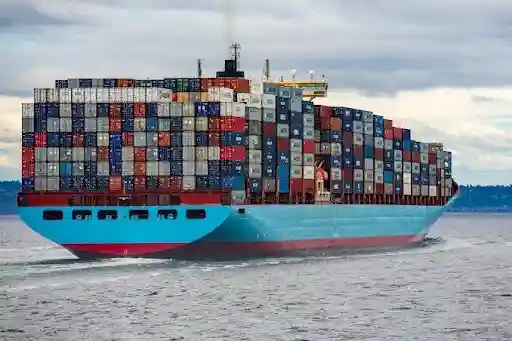
Examples of cargo transported by merchant navy ships include crude oil, petrochemicals, chemicals, food grains, cars, and containers, among others. Some ships even ferry people. The Merchant Navy does not fall under the Indian Navy and, hence, does not have military attributes. It is made up of commercial shipping companies owning, managing, or controlling ships.
An individual working in the Merchant Navy is called a seafarer. The seafarers can work in departments such as the Deck Department, the Engine Department, and others based on their qualifications and responsibilities.
The responsibilities of the merchant navy are as follows:
The transport of goods and people through international or domestic waters.
Safe navigation of the ships between ports.
Operation and maintenance of ship’s engine.
Cargo loading and offloading.
Observance of safety rules of the international maritime law.
Protection of the sea environment.
Career prospects in the Merchant Navy include working with shipping companies that function around the globe. Indian mariners may sail aboard ships belonging to various nations under their flag.
What Is the Indian Navy?
The Indian Navy is the term given to the navy wing of the Indian Armed Forces. Its primary role is to protect the interests of the country in relation to the seas. India has a long coastline and significant maritime importance. The Indian Navy helps in protecting the territorial waters, shipping routes, and interests of the country.
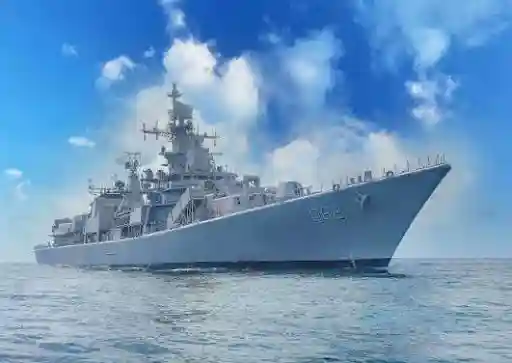
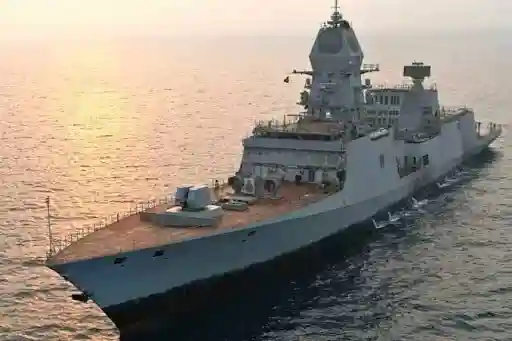
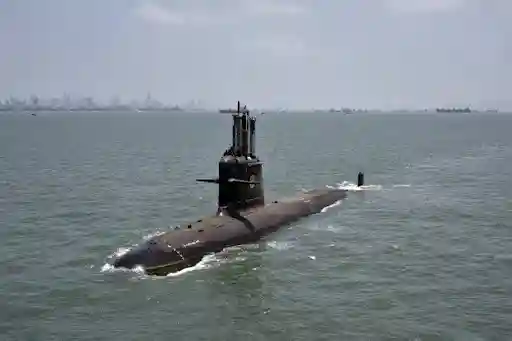
The Indian Navy, contrary to the Merchant Navy, is a military body whose personnel are trained in military ways and undertake activities related to national defense. The Indian Navy has several types of ships and platforms. They include the aircraft carriers, destroyers, frigates, submarines, and others.
Responsibilities of the Indian Navy include the following:
Defending India’s maritime boundaries.
Ensuring security in the Indian Ocean Region.
Carrying out maritime surveillance.
Engaging in joint navy exercises with other nations.
Taking part in humanitarian assistance and disaster relief missions.
Defending crucial maritime trade routes.
Handling maritime emergencies and security threats.
Serving in the Indian Navy means living under military discipline and responsibility.
Table of Contents
Difference in Ships and Their Operations
Different ships are also used by both the organizations since their roles differ.
Ships of the Merchant Navy
These ships are usually designed to transport cargo or people. The design and the size of these ships vary according to the goods they are used to carry.
Some common types of merchant navy are
Container Ships
These ships transport goods packed in standardized containers. They are commonly used in international trade.
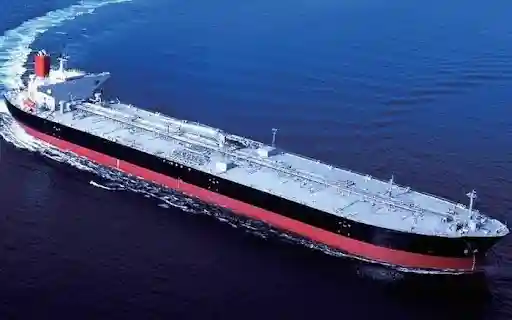
Oil Tankers
Oil tankers transport crude oil and petroleum products from one location to another.
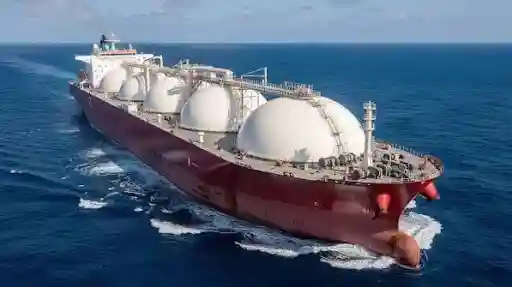
LNG and LPG Carriers
These ships are specially designed to transport liquefied natural gas and liquefied petroleum gas.
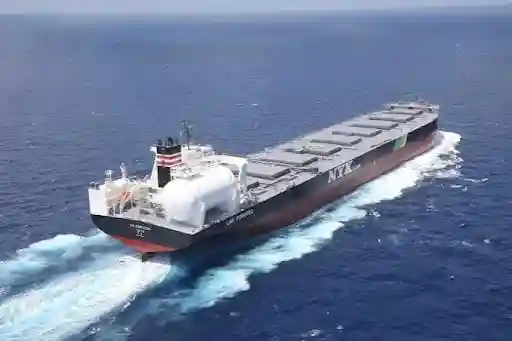
Bulk Carriers
Bulk carriers transport unpackaged cargo such as coal, iron ore, cement, and food grains.
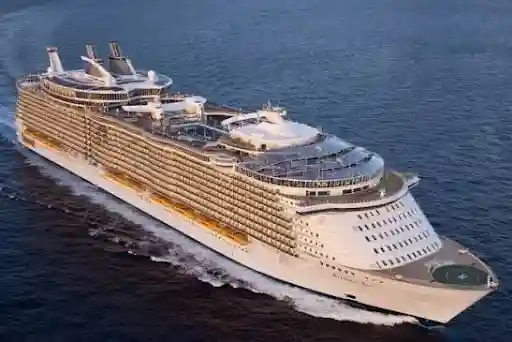
Passenger and Cruise Ships
These vessels carry passengers and provide transportation or leisure services.
Ships in the Indian Navy
The Indian Navy operates ships and submarines designed for defense, surveillance, and other naval operations.
Some important types include:
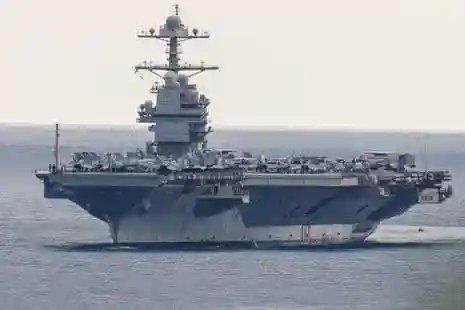
Aircraft Carriers
These are large naval vessels that carry and operate aircraft. They provide important air capabilities at sea.
Destroyers
Destroyers are powerful warships designed for multiple naval roles, including fleet protection and maritime operations.
Frigates
Frigates are naval combat ships used for different operational and security purposes.
Submarines
Submarines operate underwater and are an important part of naval capabilities.
Patrol Vessels
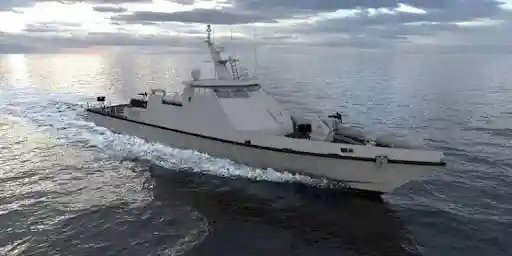
These vessels are used for maritime surveillance, coastal security, and patrol duties. Therefore, even though both services operate ships, the technology, design, and purpose of their vessels are quite different.
Eligibility Criteria for Merchant Navy and Indian Navy
Eligibility is yet another significant difference between the two careers. The Merchant Navy offers various courses for beginners. In the Indian Navy, there are various ways to join as an officer or an Agniveer.
Eligibility for the Merchant Navy
Students can enter the Merchant Navy through different educational pathways. Some popular options after Class 12 include:
B.Sc. Nautical Science
Educational qualification: Class 12 with physics, chemistry, and mathematics.
Minimum PCM average: 60%.
English: At least 50% in Class 10 or Class 12.
IMU-CET qualification and a valid rank.
Medical fitness as prescribed by the maritime authorities.
The course duration is three years. It prepares students for careers in the Deck Department.
Diploma in Nautical Science (DNS)
DNS is another popular route for students interested in becoming Deck Officers.
Educational qualification: Class 12 with physics, chemistry, and mathematics.
Minimum PCM average: 60%.
English: At least 50% in Class 10 or Class 12.
IMU-CET qualification.
Company sponsorship is an important requirement for the standard sponsored DNS pathway.
Medical fitness as per applicable maritime standards.
The pre-sea course generally lasts one year, followed by structured shipboard training and further academic and competency requirements.
B.Tech Marine Engineering
Those who want to join the technical branch of the ship can opt for the B.Tech. in Marine Engineering.
Qualification: Higher secondary school with subjects physics, chemistry, and math.
PCM minimum average: Usually 60%.
English: Usually 50% at either the tenth or twelfth class.
Medical fitness as required.
Entrance eligibility depends upon the institution and the process of admission.
Duration of the course: Four years.
It will prepare you for the engine department of the ships.
Note: The criteria, age limit, medical fitness, and entrance eligibility may differ from course to course, institution to institution, and year to year.
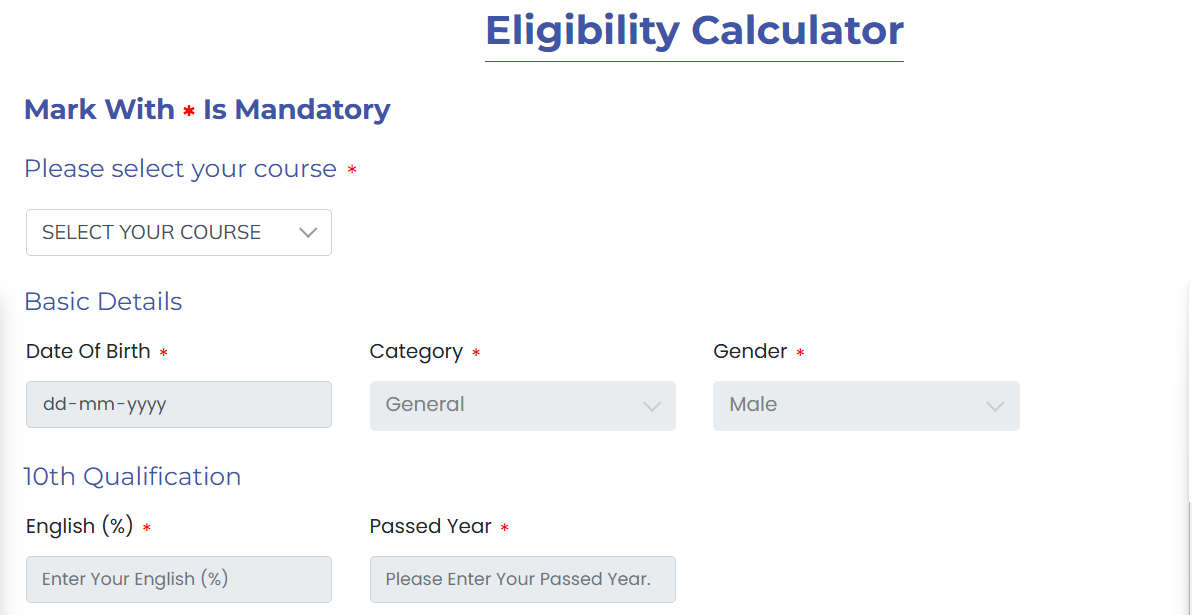
Another useful feature is the eligibility calculator. Instead of manually trying to work out whether your marks meet the requirements of a particular Merchant Navy course, you can use the calculator to check your eligibility based on your academic details.
Merchant Navy Decoded lists the general B.Sc. Nautical Science eligibility as more than 60% in PCM and more than 50% in English in either Class 10 or Class 12.
Eligibility for the Indian Navy
The Indian Navy offers opportunities for candidates after Class 10, Class 12, and graduation through different recruitment entries.
Some popular entry options include:
Agniveer SSR
Candidates will normally be expected to have passed Class 12 with mathematics and physics.
The minimum aggregate marks for the candidates would be 50% based on the eligibility criteria.
Candidates should meet the age and physical eligibility criteria.
The selection procedure includes the examination, physical test, and medical examination.
Agniveer MR
The candidates have to score in the Class 10 examinations.
The candidate has to secure 50% aggregate marks.
The age and physical eligibility requirements have to be fulfilled.
Officer Entry Through NDA
Those who have finished class 12th with physics, chemistry, and mathematics are eligible for admission into the naval wing of NDA, provided that they meet all the criteria laid down by UPSC and the Indian Navy.
10+2 B.Tech Cadet Entry
The Indian Navy also provides an officer entry through its 10+2 B.Tech Cadet Entry Scheme. The candidates need to meet the criteria of education, entrance test, age limit, and medical fitness criteria as per the applicable notification.
These conditions of selection may differ from one notification to another. The candidates need to visit the Indian Navy Recruitment Portal for any updates.
Difference in Training and Selection Process
The training process is quite different in both careers because the nature of their responsibilities is different.
Merchant Navy Training
Students interested in the Merchant Navy generally begin by selecting a maritime course such as DNS, B.Sc. Nautical Science, or B.Tech. Marine Engineering.
The usual process includes:
Meeting the educational and medical eligibility requirements.
Qualifying for the required entrance examination, where applicable.
Obtaining company sponsorship for courses where it is mandatory.
Taking admission to a recognized maritime training institute.
Completing pre-sea training.
Joining of ships for sea service as per requirement.
Training, examination, and certification of competency.
Training is related to navigation, ship operation, marine engineering, safety, cargo handling, and other subjects related to the maritime field.
The Directorate General of Maritime Administration (DGMA), which was formerly known as the Directorate General of Shipping, governs education, training, and certification of merchant shipping in India.
Indian Navy Training
The Indian Navy follows a military recruitment and training system. Candidates first apply through the appropriate entry scheme and undergo the required selection process.
Depending on the entry, this may include:
Written examinations or shortlisting.
Physical fitness tests.
Medical examinations.
Interviews or SSB assessments, where applicable.
Document verification.
Trainees are put through naval training that helps them learn military discipline, fitness, leadership skills, technical skills, and professionalism.
Lifestyle and Working Conditions
Both careers involve spending time at sea, but the lifestyle can be very different.
Life in the Merchant Navy
Merchant Navy personnel tend to remain aboard a ship for several months, depending upon the ship, company, and agreement of employment. The activities that they perform daily include professional tasks, watchkeeping, maintenance, navigation, cargo handling, and safety-related tasks.
Some of the aspects that the Merchant Navy includes are
Spending long times away from their families.
Working with an international team.
Working according to a definite watchkeeping schedule.
Adapting to the change in weather and time zones.
Working in a cramped environment aboard the ship.
Remaining disciplined and professional.
The benefit of working as a merchant navy worker is that they always have the opportunity to work on contracts, which provide them with some rest periods.
Life in the Indian Navy
The life of an Indian Navy sailor is governed by military discipline and the demands of the job. The sailors can work on ships, submarines, naval bases, and other facilities. The schedule consists of professional tasks, physical training, drills, preparations, and other activities.
Some of the salient features are
Military discipline.
Physical and professional training.
Transfer and postings.
Deployment in accordance with operational demands.
The task of protecting the national security.
The opportunity of working in various places in India and abroad.
As opposed to commercial shipping, the sailors should be ready for their duties militarily.
Career Growth and Promotion Opportunities
Both of these jobs can provide for career advancement, although each job offers a different system of advancement.
Career Progression in the Merchant Navy
For the Deck Department, one such career progression pathway would be:
Deck Cadet → Third Officer → Second Officer → Chief Officer → Captain (Master Mariner)
For the Engine Department, the typical progression would be:
Trainee Marine Engineer → Fourth Engineer → Third Engineer → Second Engineer → Chief Engineer
Promotion depends on sea experience, required training, competency examinations, performance, and applicable certification requirements.
Experienced merchant navy professionals can also move into shore-based careers such as:
Marine Superintendent.
Technical Superintendent.
Marine Surveyor.
Port Operations Manager.
Maritime Trainer.
Ship Management Professional.
Career Growth in the Indian Navy
The Indian Navy follows a military rank and promotion structure.
The promotion of a sailor is in accordance with the relevant personnel structure. The promotion process is based on various criteria, including performance, experience, and other predefined criteria. The Indian Navy also provides an opportunity to serve in various branches on the basis of qualification and other factors.
Which Is Better: Merchant Navy or Indian Navy?
There is no one answer to this question. Both have their own advantages. It really depends on your own personal preference and the type of professional life you want to lead.
Choose the Merchant Navy if:
You have an interest in merchant vessels and international shipping.
You desire to establish yourself in the field of navigation or marine engineering.
You are comfortable dealing with individuals from diverse backgrounds.
You have an interest in maritime technology.
You are okay staying away from your family for extended periods of time.
You are interested in having a civilian career in the shipping industry.
Choose the Indian Navy if:
You want to work for the country via the Armed Forces.
You have an interest in military activities and maritime security.
You like physical challenges and discipline.
You have an interest in leadership and defense-related duties.
You are not afraid of military training and service conditions.
You wish to join the defense system of India’s navy.
Before choosing any of the above options, know about their eligibility criteria, training procedure, and career profile.
How to Start Your Career with Merchant Navy Decoded App
For students preparing for the Merchant Navy, keeping track of courses, colleges, entrance exams, and application forms can become confusing. The Merchant Navy Decoded app is designed to bring several of these resources together in one place.
Test Series
The app provides access to test seriesthat can help students practice for maritime entrance and competitive examinations.
Track the Latest Forms
It also helps with tracking the latest forms, which can be useful because admission and application deadlines can be easy to miss when several colleges and programs open applications at different times.
There is no general direct transfer route between the two services. Merchant Navy professionals must meet the eligibility and selection requirements of the relevant Indian Navy entry if they wish to join.
Yes. Indian Navy personnel may transition into the Merchant Navy if they meet the applicable maritime training, sea-service, medical, and certification requirements. The Indian Navy and DG Shipping have also established a framework to facilitate such transitions.
Not necessarily. The Merchant Navy is a commercial shipping industry that includes private and public-sector shipping companies. Working in it does not automatically make someone a government employee.
Merchant Navy employment arrangements vary. Many seafarers work under fixed-term contracts, while some companies offer different employment arrangements. Job continuity depends on the employer, qualifications, experience, and industry requirements.
Yes. Women can pursue eligible careers in both services. The available roles, entry schemes, and eligibility conditions differ, so candidates should check the latest official recruitment and admission notifications.
Merchant Navy officers are not normally employed as naval officers on Indian Navy warships. However, civilian maritime professionals may work in certain supporting or specialized roles when recruited through the appropriate channels.
They are separate organizations with different responsibilities, but they can cooperate in matters related to maritime safety and security. For example, the Indian Navy has undertaken operations to protect merchant vessels and assist seafarers during maritime security incidents.
Disclaimer :- The opinions expressed in this article belong solely to the author and may not necessarily reflect those of Merchant Navy Decoded. We cannot guarantee the accuracy of the information provided and disclaim any responsibility for it. Data and visuals used are sourced from publicly available information and may not be authenticated by any regulatory body. Reviews and comments appearing on our blogs represent the opinions of individuals and do not necessarily reflect the views of Merchant Navy Decoded. We are not responsible for any loss or damage resulting from reliance on these reviews or comments.
Reproduction, copying, sharing, or use of the article or images in any form is strictly prohibited without prior permission from both the author and Merchant Navy Decoded.