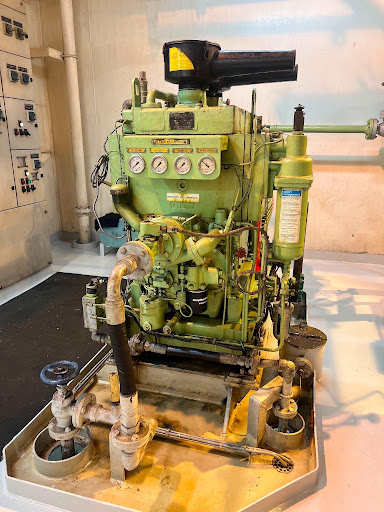
A compressor is an essential auxiliary machine on board a ship. Compressed air is required for starting the main and auxiliary engines, operating various pneumatic devices, as well as for cleaning and other purposes. Therefore, compressors work under high pressure and temperatures, and their parts and nodes are subject to increased wear. As a result, it is necessary to perform compressor overhauls periodically in order to avoid their malfunction.
Compressor overhaul includes disassembly and inspection of the compressor, replacement or repair of worn parts and cleaning and assembling of the unit according to the manufacturer’s specifications.
Why Is Compressor Overhauling Required?
During operation, components such as piston rings, cylinder liners, valves, bearings and connecting-rod parts gradually wear out. If this wear is ignored, compressor efficiency decreases and operating temperatures may increase.
The main reasons for overhauling include:
Excessive discharge temperature
Reduced air delivery or slow pressure build up
Abnormal noise or vibration
Excessive lubricating-oil consumption
Leakage through valves or piston rings
High cooling water temperature
Excessive wear of bearings, liners or piston components
Scheduled maintenance according to running hours
Number Of Running Hours For Overhaul Of Air Compressor
According to the manual, the complete compressor should be overhauled once every three years or after approximately 9000 operating hours. The manual also specifies replacement of the cylinder lubricator at about 8000 operating hours. During overhaul, the compressor components are inspected and worn parts are replaced as required. For complete overhaul, the manual recommends contacting the manufacturer.
Table of Contents
Preparation Before Overhauling
Proper preparation is essential before dismantling a compressor. The compressor should be stopped and isolated from all energy sources. Electrical supply should be switched off and locked out where applicable. The compressed air system must be depressurised completely.
Cooling water and lubricating oil connections should also be isolated as required. The surrounding area should be clean and suitable tools, lifting equipment, spare parts and measuring instruments should be available.
Before dismantling, it is useful to mark components and record their original positions. This helps ensure correct reassembly.
Compressor Overhauling Procedure
Isolate and Depressurise
Stop the compressor and allow it to cool. Isolate the electrical supply and close the necessary valves. Drain or release trapped pressure from the compressor and connected lines before starting work.
Remove Covers and External Connections
Remove protective guards, inspection covers, cooling water connections, air pipes and other components that restrict access. All removed parts should be kept safely and identified to prevent incorrect installation.
Dismantle the Cylinder Head and Valves
The cylinder head is removed to gain access to the suction and discharge valves. Valve plates, springs, seats and other parts should be carefully removed and arranged in their original order.
The valve components should be checked for carbon deposits, cracks, corrosion, distortion and signs of leakage.
Inspect Piston and Cylinder Liner
The piston is removed according to the manufacturer’s procedure. Piston rings should be checked for wear, breakage and loss of tension. The cylinder liner should be inspected for scoring, excessive wear and abnormal surface condition.
Measurements should be taken using suitable instruments and compared with the manufacturer’s allowable limits.
Check Connecting Rod and Bearings
The connecting rod, big end bearing and small end arrangement should be inspected for wear and damage. Bearing surfaces should be checked for scoring, overheating or abnormal wear.
Clearances should be measured and compared with the specified values. If the clearance exceeds the permissible limit, the bearing may require renewal.
Inspect Crankshaft and Main Bearings
The crankshaft should be examined for scratches, cracks, abnormal wear and signs of overheating. Main bearing clearances should be checked using the appropriate measurement method.
The crankcase should also be cleaned and any metal particles or sludge should be removed.
Clean and Inspect Air and Cooling Passages
Carbon deposits and dirt can restrict air passages and reduce compressor performance. Valve plates, cylinder head passages and other accessible areas should therefore be thoroughly cleaned.
Cooling water passages should also be checked for scale or blockage because poor cooling can lead to excessive operating temperatures.
Replace Damaged Components
Components that have exceeded their permissible wear limits should be replaced using approved spare parts. Particular attention should be given to piston rings, valve components, gaskets, seals and bearings.
It is important not to replace parts based only on appearance; measurements and manufacturer’s limits should be considered.
Reassembly
After inspection and replacement, the compressor is reassembled carefully. All components should be clean and correctly positioned. New gaskets and seals should be fitted where required.
Bolts and nuts should be tightened according to the specified sequence and torque values given by the manufacturer.
Testing After Overhaul
Before starting, check lubrication, cooling-water circulation, valve positions and electrical connections. Rotate the compressor manually if permitted by the manufacturer’s procedure to ensure there is no abnormal resistance.
After starting, monitor:
Discharge pressure
Discharge temperature
Lubricating oil pressure
Cooling water flow and temperature
Vibration and abnormal noise
Air leakage
Automatic safety trips and alarms
The compressor should be allowed to operate under controlled conditions while these parameters are observed.
Compressor overhauling involves stored pressure, rotating machinery and heavy components. Therefore:
Ensure the compressor is completely isolated before work
Confirm that all air pressure has been released
Use proper PPE and approved tools
Never work on a rotating compressor
Use suitable lifting equipment for heavy components
Keep dismantled parts clean and properly identified
Follow the manufacturer’s torque and clearance specifications
Never bypass safety devices during testing
Maintain good housekeeping around the work area
Conclusion
There is no denying that compressor overhauling is one of the most essential processes in machinery maintenance in shipbuilding. By overhauling the compressor, it becomes possible to rationally determine the causes of failures that may occur and eliminate them on time. It also helps maintain maximum production pressure. Therefore, it is important to properly inspect, measure components, replace and install them in their places. The most important thing is to work according to the manufacturer’s instructions and the technical plan of the shipping company.
Compressor overhauling is the process of dismantling, cleaning, inspecting, repairing or replacing worn components and reassembling the compressor to restore its proper operating condition.
It is necessary to identify component wear, prevent unexpected breakdowns, maintain air delivery and pressure, improve efficiency and ensure reliable operation of the compressor.
The overhaul interval depends on the manufacturer’s recommended running hours, the vessel’s planned maintenance system, operating conditions and the condition of the compressor.
Disclaimer :- The opinions expressed in this article belong solely to the author and may not necessarily reflect those of Merchant Navy Decoded. We cannot guarantee the accuracy of the information provided and disclaim any responsibility for it. Data and visuals used are sourced from publicly available information and may not be authenticated by any regulatory body. Reviews and comments appearing on our blogs represent the opinions of individuals and do not necessarily reflect the views of Merchant Navy Decoded. We are not responsible for any loss or damage resulting from reliance on these reviews or comments.
Reproduction, copying, sharing, or use of the article or images in any form is strictly prohibited without prior permission from both the author and Merchant Navy Decoded.