Hi this is Team Merchant Navy Decoded !!!

Please fill the below form with your query and we will get back to you in next 12 hours.

Rest assured your data is safe with us !!!🙂

Ask Your Query

Viscotherm

Viscotherm

Viscosity is an essential property of marine fuels. Due to the high viscosity of HFO at low temperatures, it must be heated prior to being supplied to the engine.

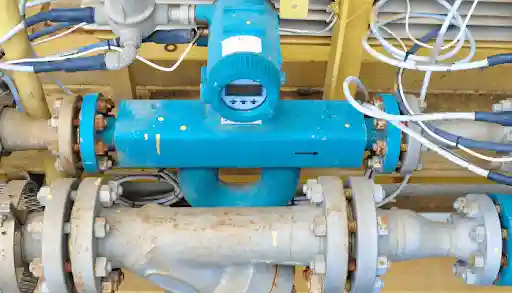
This device measures and controls the viscosity of fuel oils used in the marine fuel systems. It provides a continuous reading and helps to ensure the correct viscosity by controlling the heating process. This device is commonly used in fuel oil systems of main and auxiliary engines. Keeping the correct viscosity ensures correct fuel injection, efficient combustion and correct engine performance.

What is a Viscotherm?

A Viscotherm is an automated fuel viscosity measuring and control system. The main function of the device is to measure the viscosity of heated fuel oil and control the fuel oil heater to ensure the correct viscosity. This device helps measure the viscosity of the fuel oil rather than just the temperature. Different grades and batches of fuel will have varying viscosities.

The system will heat the fuel oil to a higher temperature if the viscosity is higher than the required level. If the viscosity is too low it will reduce the amount of heating.

Main Components of a Viscotherm

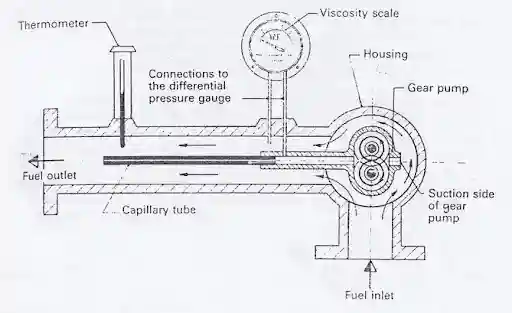
A standard capillary type Viscotherm contains the following components;

  • Measuring sensor – This contains the measuring capillary for the fuel oil to pass through
  • Gear pump – This is driven by an electric motor and reduction gear. It ensures a continuous and controlled flow of fuel through the measuring capillary
  • Electric motor and reduction gear – This component drives the gear pump
  • Differential Pressure Transmitter (DPT) – This measures the differential pressure of the measuring capillary. It then converts this into an electrical signal, usually 4-20mA
  • Viscosity controller – This takes the signal and compares it to the required viscosity
  • Fuel oil heater – Heats the fuel oil to reduce the viscosity
  • Control valve – This controls the amount of steam/heating medium being supplied to the heater
  • Temperature indicator – Shows the fuel oil temperature
Main Components of a Viscotherm

Table of Contents

Operating Principle

A standard Viscotherm works using a principle of measuring the differential pressure of a capillary tube.

When a liquid is passed through a narrow capillary tube under laminar flow conditions there will be a relationship between the pressure drop and the dynamic viscosity. The higher the viscosity the greater the differential pressure.

Operation

  • Small amounts of fuel oil are drawn from the fuel supply
  • An electric gear pump pushes the fuel through the measuring capillary at a controlled speed
  • A differential pressure develops between the inlet and outlet of the capillary
  • The differential pressure is measured by the DPT
  • The signal is converted into an electrical signal
  • The signal is sent to the viscosity controller. This compares the measured viscosity to the required viscosity
  • If the viscosity is too high the control valve will open to allow more heating medium
  • More steam/heating medium will enter the heater causing the temperature of the fuel to increase and lower the viscosity
  • The control valve will be adjusted to ensure the correct viscosity.

This will happen automatically.

Importance of Controlling Viscosity in Marine Engines

Marine diesel engines require fuel oil of the correct viscosity to ensure correct fuel injection.

If the viscosity is too high;

  • The fuel will be difficult to pump and inject
  • Poor atomisation may occur
  • Large fuel droplets may occur causing incomplete combustion
  • Carbon build up and exhaust smoke may occur
  • Performance of fuel injectors may be affected 

If the viscosity is too low;

  • Leakage within the fuel injection equipment may occur
  • Lubrication properties may be poor
  • Wear on the fuel pump and fuel injection equipment may occur
  • The engine may not operate correctly

Keeping the correct viscosity will help ensure correct performance of the fuel injection equipment and the engine.

The correct viscosity for injection will depend on the recommendation of the engine manufacturer and the fuel characteristics.

Relationship between Temperature and Viscosity

The temperature of marine fuel will have a direct impact on the viscosity. The higher the temperature the lower the viscosity of most liquid fuels. Similarly, the lower the temperature the higher the viscosity.

For example;

  • The HFO will have a higher viscosity at lower temperatures
  • When heated the fuel will have a lower viscosity
  • However if heated too much the viscosity may be too low.

The Viscotherm will help keep the viscosity to the correct level by automatically controlling the heating of the fuel oil.

Viscotherm Applications on a Ship

Viscotherm Applications on a Ship
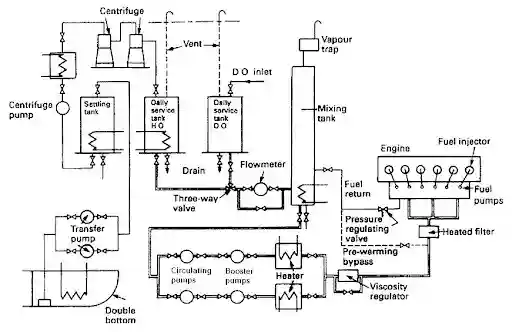
  • Main engine fuel oil system – Ensures the correct viscosity of HFO is maintained prior to reaching the main engine injection pumps.
  • Auxiliary engine fuel oil system – Can be used in fuel oil systems of auxiliary engines using HFO.
  • Fuel oil heating – Automatically controls the amount of heating medium going to the heater.
  • Fuel quality – Helps the engineering staff to ensure the correct fuel injection conditions when using fuels with different viscosities.

Common Issues with a Viscotherm and Causes

Like any instrumentation, issues can occur with a Viscotherm due to contamination of fuel, wear and tear and electrical fault.

1. Incorrect Viscosity Reading

Causes could be;

  • Blockage to the measuring capillary
  • Faulty DPT
  • Air in the measuring system
  • Incorrect calibration

2. Gear Pump Failure

The gear pump may be worn, blocked or the motor fails. This can cause incorrect viscosity readings.

3. Unstable Readings

  • Air bubbles in the fuel sample.
  • Pressure fluctuation.
  • Pump not running smoothly.
  • Loose electrical connections.

4. Control Valve Failure

The steam control valve may become stuck causing incorrect temperatures.

5. Capillary Blockage

Impurities and sludge in the fuel can block the narrow measuring area. This will affect the differential pressure and create incorrect readings.

Viscotherm Maintenance

  • Regular maintenance is required to ensure accurate readings
  • Check the measuring sensor and fuel connections
  • Check the gear pump and motor for unusual noise or vibration
  • Check the measuring capillary is not blocked
  • Check DPT and connections
  • Check controller is set to the correct level and output signal
  • Check steam control valve is working
  • Check the fuel oil heater is working and not leaking
  • Calibrate and test the device as per the manufacturer instructions
  • Keep records of maintenance and performance

Ensure the device is isolated and safely locked out before opening the measuring unit. Follow permit to work procedures on the ship and those outlined by the manufacturer.

Conclusion

A Viscotherm is an important device in the fuel oil systems of a ship. It helps to ensure the correct fuel viscosity is maintained before injection into the engine. The device passes a controlled flow of fuel through the measuring capillary and measures the differential pressure. The controller then adjusts the control valve to control the fuel oil heater to keep the correct viscosity. Correct operation and regular maintenance will help to improve fuel injection conditions, quality of combustion and reliability of the engine.

Frequently Asked Questions (FAQs)

To measure and control the viscosity of the fuel oil supplied to the marine diesel engines.

The differential pressure is proportional to the dynamic viscosity of the fuel oil. This is done by controlling the flow rate and other measuring parameters.

To ensure a continuous and controlled flow of fuel.

To measure the differential pressure and convert it into an electrical signal.


The controller will increase the amount of heating going to the heater. This will increase the fuel temperature and decrease the viscosity.

No. The main purpose of this device is to measure and control the viscosity of the fuel oil. The pressure is controlled by the fuel supply system.

Disclaimer :- The opinions expressed in this article belong solely to the author and may not necessarily reflect those of Merchant Navy Decoded. We cannot guarantee the accuracy of the information provided and disclaim any responsibility for it. Data and visuals used are sourced from publicly available information and may not be authenticated by any regulatory body. Reviews and comments appearing on our blogs represent the opinions of individuals and do not necessarily reflect the views of Merchant Navy Decoded. We are not responsible for any loss or damage resulting from reliance on these reviews or comments.

Reproduction, copying, sharing, or use of the article or images in any form is strictly prohibited without prior permission from both the author and Merchant Navy Decoded.

DIWALI SALE

Decoded Discount Alert! up to 50% OFF

DIWALI SALE

Decoded Discount Alert! up to 50% OFF

Use Coupon Code Deep50

Days
Hours
Seconds
0
Would love your thoughts, please comment.x
()
x