Hi this is Team Merchant Navy Decoded !!!
Please fill the below form with your query and we will get back to you in next 12 hours.
Rest assured your data is safe with us !!!🙂
Ask Your Query| For Beginner | For Professional |
|---|---|
| GME | Engine Side |
| G.P. Rating | Deck Side |
| ETO | G.P. Rating |
| IMUCET & Sponsorship | Combo Offers |
| Free Course | MEO |
| Free Course |
| For Beginner | For Professional |
|---|---|
| GME | Engine Side |
| G.P. Rating | Deck Side |
| ETO | G.P. Rating |
| IMUCET & Sponsorship | Combo Offers |
| Free Course | MEO |
| Free Course |
Shore-based jobs for 2nd and 3rd Officers outside core shipping can be a good option for deck officers who want to stop sailing but still remain connected to the maritime industry. A Second Officer or Third Officer already understands vessel operations, cargo handling, navigation, maritime communication, port operations, and shipboard procedures.Â
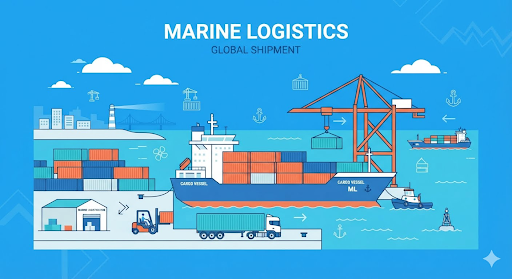
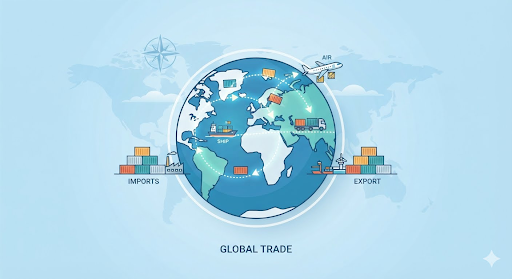
One of the first areas that operational-level deck officers can explore is marine logistics.
This can include jobs with shipping agencies, logistics companies, or businesses involved in coordinating the movement of cargo and vessels. A deck officer already understands how ships operate, how cargo moves, how ports function, and how vessel schedules can affect the supply chain.
This practical background can make the transition into marine logistics easier compared with someone entering the industry without any exposure to ships.
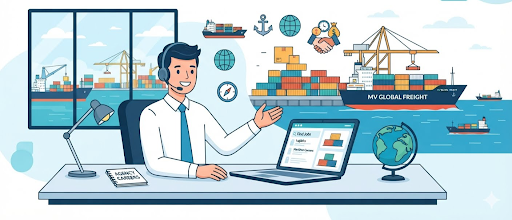
Shipping agencies support vessels when they arrive at or depart from ports. The work can involve coordination between the vessel, port, terminal, authorities, suppliers, and other stakeholders.
A Second Officer or Third Officer already understands many of these interactions from the vessel side. Moving into an agency role allows that officer to see and manage the same process from ashore.
Good communication, coordination, and problem-solving skills become especially important in this field.
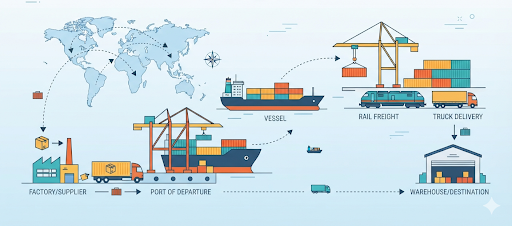
Freight forwarding is another area connected with logistics. Freight forwarders help coordinate the movement of cargo from one location to another using different modes of transport.
Deck officers already have exposure to cargo operations and international transportation. Although freight forwarding requires additional commercial and logistics knowledge, maritime experience can provide a useful foundation.
For someone who wants to move away from ship management and understand the complete movement of cargo rather than only the vessel side, freight forwarding can be worth exploring.
Another interesting career option is trading.
During a sailing career, deck officers may already have observed how different cargoes move between countries. A tanker officer, for example, may have carried crude oil or petroleum products between major producing and consuming regions.
That exposure does not automatically make someone a trader, but it can help them understand the physical movement behind international commodity trades.
Trading can suit people who are strong in communication, negotiation, mathematics, analytics, and decision-making. It can also be highly remunerative for people who develop the required commercial knowledge and perform well.
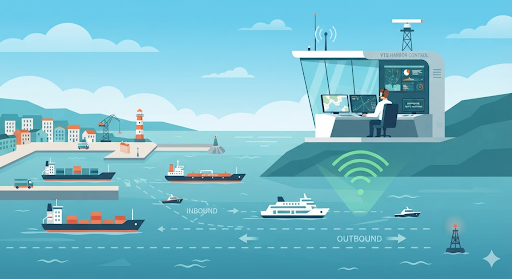
VTS, or Vessel Traffic Services, is another interesting career option for deck officers.
While sailing, officers regularly communicate with VTS stations when passing through busy waterways, traffic separation schemes, port approaches, and controlled navigation areas.
A VTS operator monitors vessel traffic and communicates with ships to support the safe and efficient movement of vessels within a particular area.
Cargo planning is particularly relevant for officers with container-vessel experience.
A significant amount of container planning is done ashore. Cargo planners determine how containers should be distributed and loaded while considering factors such as stability, port rotation, weight, dangerous goods, and operational requirements.
The completed plan and relevant files are then shared with the vessel for execution.
A deck officer who has already participated in container operations onboard can understand the practical impact of a cargo plan and may therefore have a useful advantage in this field.
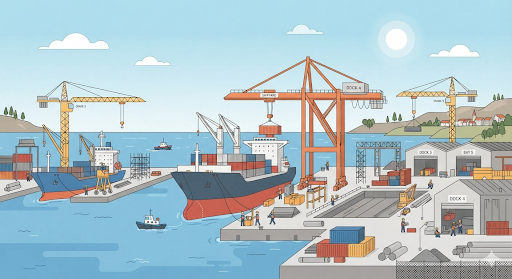
Shipyards are often associated more strongly with marine engineers, but deck officers can also explore shipyard opportunities.
Deck officers understand vessel operations, deck equipment, navigation-related systems, cargo arrangements, safety requirements, and various operational aspects of ships.
This knowledge can be useful during vessel construction, repair, modification, or other shipyard activities.
The availability of such roles can differ between India and overseas markets. Officers specifically interested in shipyards may therefore need to research opportunities both in India and internationally.
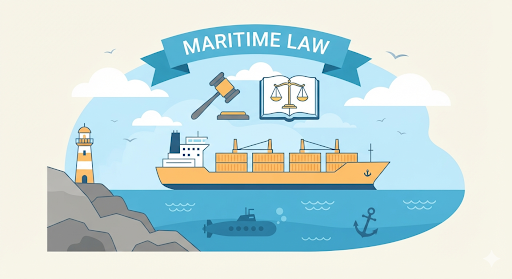
Maritime law is another career path for operational-level deck officers who are academically inclined and willing to obtain additional qualifications.
A deck officer already understands the practical side of maritime operations. Combining this knowledge with legal education can create a useful professional combination.
Maritime law can involve cargo claims, contracts, vessel disputes, marine incidents, insurance-related matters, and arbitration. The work does not necessarily mean spending every day arguing cases in court.
Professionals may work with maritime law firms, insurers, shipping organisations, P&I-related businesses, or other companies dealing with maritime claims and disputes.
Surveying is another field where operational-level deck officers can find opportunities.
At this stage, the most relevant options may be cargo-related surveys rather than highly complex ship surveys that require senior command experience.
Possible work can include draft surveys, bunker surveys, and cargo surveys. These jobs may involve visiting vessels and ports, checking quantities or conditions, carrying out inspections, and preparing reports.
The right option depends on your interests rather than simply your current rank.
If you enjoy cargo movement and coordination, logistics or freight forwarding may suit you. If you enjoy markets, numbers, and negotiation, consider trading. If navigation is your strongest interest, VTS may be worth researching.
Container officers may find cargo planning particularly relevant. If you enjoy technical projects and vessel construction, explore shipyards. Those who like academics and analysis may consider maritime law, while officers who enjoy inspection and vessel visits may prefer surveying.
Operational-level officers should also consider their financial situation before making the transition.
A first shore job may pay significantly less than sailing. If you have enough financial backup, you may have more freedom to accept an entry-level position and spend a few years building experience.
If you have major financial responsibilities, it may be sensible to plan carefully before resigning. Leaving sea should ideally be a planned career decision rather than a sudden reaction after one difficult contract.
Second Officers and Third Officers who want to quit sailing without entering traditional ship management can explore various carrier options. Your sea experience gives you a useful foundation, but every shore profession will require new skills and patience. Research the job, understand its entry requirements and salary expectations, and choose a career that matches your interests instead of simply following what another seafarer has done. You can also explore the Sailor Pro app for practical guidance while planning your ship-to-shore career.
A Second Officer can explore marine logistics, freight forwarding, trading, VTS, cargo planning, shipyards, maritime law, and surveying.
Third Officers can explore junior opportunities in logistics, shipping agencies, freight forwarding, cargo planning, surveys, shipyards, and other parts of the broader maritime industry.
VTS can be a relevant option because Second Officers already understand navigation, COLREGs, maritime communication, and vessel traffic situations. Additional VTS-specific training may be required.
Yes. Deck officers understand cargo movement, vessels, ports, and international shipping, which can provide a useful foundation for freight-forwarding careers.
Yes, particularly if the officer has experience on container vessels and understands cargo operations and vessel stability.
Yes. Although shipyards are often associated with engineers, deck officers can also contribute through their knowledge of vessel operations, deck systems, cargo arrangements, and safety.
Yes, but the officer would need to obtain the relevant legal qualifications. Maritime experience combined with legal knowledge can be useful in claims, contracts, disputes, and arbitration.
Yes. Operational-level deck officers may explore cargo surveys, bunker surveys, draft surveys, and related work, while more complex surveys may require additional experience.
Disclaimer :- The opinions expressed in this article belong solely to the author and may not necessarily reflect those of Merchant Navy Decoded. We cannot guarantee the accuracy of the information provided and disclaim any responsibility for it. Data and visuals used are sourced from publicly available information and may not be authenticated by any regulatory body. Reviews and comments appearing on our blogs represent the opinions of individuals and do not necessarily reflect the views of Merchant Navy Decoded. We are not responsible for any loss or damage resulting from reliance on these reviews or comments.
Reproduction, copying, sharing, or use of the article or images in any form is strictly prohibited without prior permission from both the author and Merchant Navy Decoded.
Decoded Discount Alert! up to 50% OFF
Use Coupon Code Deep50