Hi this is Team Merchant Navy Decoded !!!

Please fill the below form with your query and we will get back to you in next 12 hours.

Rest assured your data is safe with us !!!🙂

Ask Your Query

Shore Jobs for 2nd and Chief Engineers Outside Core Shipping

Shore-based jobs for 2nd Engineers and Chief Engineers outside core shipping can offer senior marine engineers a way to stop sailing without leaving the maritime industry completely. By the time an engineer reaches management level, they may already have years of experience in machinery, dry docking, vessel takeovers, new deliveries, maintenance planning, contractor management, and technical decision-making..

Second Engineers and Chief Engineers usually bring more than technical knowledge to a shore role. They have already managed people, handled machinery failures, dealt with contractors, participated in major maintenance, and taken important decisions onboard.

Commercial Shipping

Commercial Shipping

One of the major options outside traditional ship management is commercial shipping. Senior marine engineers can explore areas such as chartering and shipbroking.

These roles are very different from looking after vessel maintenance. The focus is more on commercial decisions, fixing vessels, understanding market requirements, negotiating deals, and working with different stakeholders across the shipping industry.

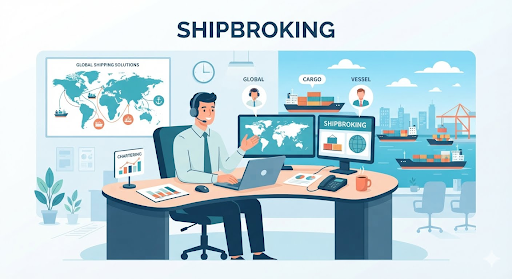
Shipbroking

Shipbroking

Shipbroking can be an attractive option for senior seafarers who are interested in commercial shipping and relationship-based work.

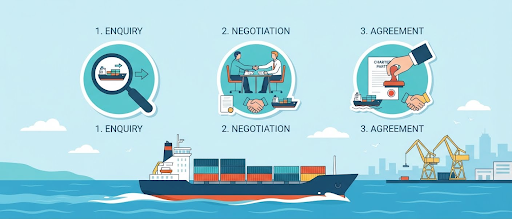
A shipbroker may help connect parties, negotiate deals, and assist with vessel fixing or other shipping transactions. The starting position may not always offer the same income as a senior sailing rank, but the long-term earning potential can become significant for someone who performs well.

Building a career in broking takes time. According to the experience shared here, it may take around three to five years to establish yourself properly. A good mentor and a strong professional network can play an important role during this period.

Can You Become a Shipbroker While Staying in India?

Become a Shipbroker

Shipbroking does not necessarily require a person to settle abroad. A professional may work from India or another country as long as they are able to develop the required network, knowledge, relationships, and credibility.

Location may matter less over time than your ability to understand the market and build trust with clients. This makes broking an interesting option for senior engineers who want a globally connected career while remaining based in India.

Chartering

Another commercial option is chartering. Senior marine engineers can use their understanding of ships while learning the commercial side of vessel employment.

Chartering may involve working with companies that need vessels to carry cargo or with organisations involved in fixing ships for different requirements. The work requires a different mindset from engineering because commercial terms, market conditions, and relationships become increasingly important.

For a senior engineer who enjoys understanding the business side of shipping, chartering can provide a new direction without leaving the industry.

Table of Contents

How Much Benefit is Given?

Auditing Outside Ship Management

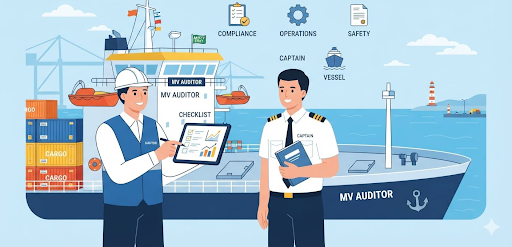
Auditing is another shore-based career where senior marine engineers may find opportunities outside traditional vessel management.

The work may include auditing maritime and logistics facilities such as ports, Container Freight Stations (CFSs), and Inland Container Depots (ICDs). These facilities involve machinery, operational processes, structured systems, and maintenance requirements.

Because Second Engineers and Chief Engineers already understand technical systems and operational discipline, their experience can become useful in evaluating how these facilities are being managed.

PMS Management

PMS Management

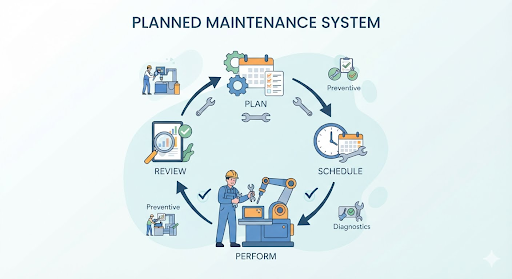
PMS management, or Planned Maintenance System management, is another strong option for senior engineers.

PMS is not limited only to ships. Large ports, logistics facilities, container yards, and other industrial operations may have hundreds of cranes, machines, and pieces of equipment that need structured maintenance.

A senior marine engineer already understands preventive maintenance, breakdown management, spare planning, inspection schedules, and machinery reliability. These skills can be transferred to large shore-based facilities where equipment uptime is extremely important.

Shipyard Jobs

Shipyard Jobs

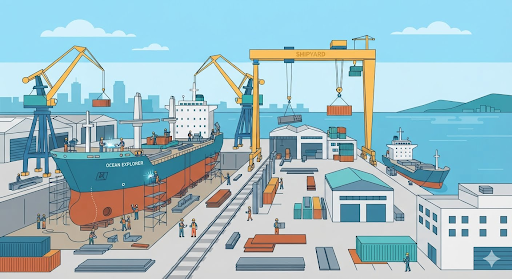
Shipyards are another major career option for senior marine engineers outside core ship management.

By the time someone becomes a Second Engineer or Chief Engineer, they may already have experienced dry docking, vessel repairs, new deliveries, vessel takeovers, surveys, and contractor management. This gives them a practical understanding of how shipyard work affects the vessel from the owner’s or ship’s side.

When they move ashore, that experience can be used in ship repair, dry docking, vessel construction, project coordination, or technical management within a shipyard.

Maritime Law

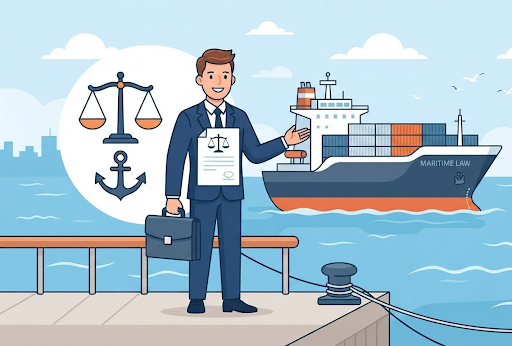
Maritime law can be a highly specialised career path for senior engineers who are academically inclined, detail-oriented, and good at logical analysis.

A Chief Engineer who later develops legal knowledge can offer a powerful combination of technical and legal understanding. This becomes valuable when a dispute involves machinery failures, technical incidents, contracts, claims, or operational problems.

Such professionals may work with maritime law firms, insurers, P&I-related organisations, claims teams, or other maritime businesses. Their role may involve contracts, disputes, arbitration, or technical claims rather than only courtroom work.

Business Development

Business Development

Another option is business development within the maritime industry.

As engineers become more senior, they usually develop communication, negotiation, stakeholder management, and leadership skills. These abilities can be combined with maritime domain knowledge in a client-facing role.

Business development is not only about direct selling. A major part of it can involve building and maintaining relationships with clients, partners, and other stakeholders.

Which Career Has the Highest Potential?

Highest Potential

Among the options discussed, shipbroking and maritime law can offer particularly high long-term potential.

One reason is that both fields allow a professional to gradually build an individual reputation. Initially, the company may help create opportunities, but over time clients may begin trusting the individual because of their judgment, knowledge, network, and credibility.

Final Advice for 2nd Engineers and Chief Engineers

Second Engineers and Chief Engineers who want to stop sailing but remain connected to maritime can explore commercial shipping, shipbroking, chartering, auditing, PMS management, shipyards, maritime law, and business development. 

Before resigning from the sea, study each career carefully, understand its responsibilities, and identify where your existing experience gives you the strongest advantage. Seafarers planning a ship-to-shore transition can also explore  Sailor Pro app for practical career guidance and better organisation of their professional journey.

Frequently Asked Questions (FAQs)

Chief Engineers can explore shipbroking, chartering, auditing, PMS management, shipyards, maritime law, and business development within the broader maritime industry.

Second Engineers may explore commercial shipping, chartering, shipbroking, audits, maintenance management, shipyards, maritime law, and maritime business development.

Yes. Shipbroking can be explored by senior marine engineers who are willing to develop commercial knowledge, networking, negotiation, and relationship-building skills.

Yes. According to the guidance discussed here, shipbroking can be done from India or elsewhere, although building a strong network and finding the right mentor can be important.

Yes. Senior engineers already understand preventive maintenance and machinery management, which can be useful in ports, logistics facilities, container yards, and other large equipment-based operations.

Yes, after obtaining the required legal qualification. The combination of marine engineering experience and maritime law can be valuable in technical disputes, claims, arbitration, and contracts.

It can be suitable for senior engineers with strong communication, networking, negotiation, and stakeholder-management skills.

The discussion highlights shipbroking and maritime law as two areas with strong long-term potential, particularly for people who build credibility, expertise, and a strong personal brand.

Disclaimer :- The opinions expressed in this article belong solely to the author and may not necessarily reflect those of Merchant Navy Decoded. We cannot guarantee the accuracy of the information provided and disclaim any responsibility for it. Data and visuals used are sourced from publicly available information and may not be authenticated by any regulatory body. Reviews and comments appearing on our blogs represent the opinions of individuals and do not necessarily reflect the views of Merchant Navy Decoded. We are not responsible for any loss or damage resulting from reliance on these reviews or comments.

Reproduction, copying, sharing, or use of the article or images in any form is strictly prohibited without prior permission from both the author and Merchant Navy Decoded.

DIWALI SALE

Decoded Discount Alert! up to 50% OFF

DIWALI SALE

Decoded Discount Alert! up to 50% OFF

Use Coupon Code Deep50

Days
Hours
Seconds
0
Would love your thoughts, please comment.x
()
x