Hi this is Team Merchant Navy Decoded !!!

Please fill the below form with your query and we will get back to you in next 12 hours.

Rest assured your data is safe with us !!!🙂

Ask Your Query

Shore Jobs for 3rd and 4th Engineers Outside Core Shipping

A 3rd or 4th Engineer leaving the sea does not have to exit the maritime industry. With years of practical knowledge regarding ships, machinery, and port operations, operational-level engineers can pursue alternative shore-based paths where their experience remains valuable.

For those who wish to avoid traditional ship management—such as technical superintendency—without discarding three to five years of maritime experience, the broader industry offers alternative routes. Engineers can leverage their shipboard background while building new commercial, legal, operational, or interpersonal skills rather than starting over in an unrelated sector.

Commercial Shipping

Commercial Shipping

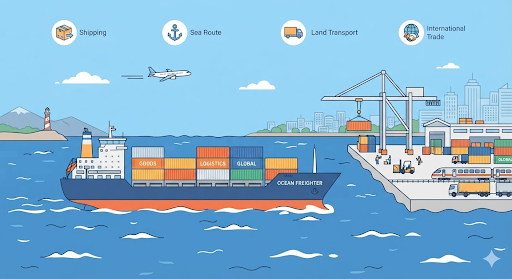
Commercial shipping is one of the most aspirational areas for seafarers moving ashore. It is different from traditional ship management because the focus is not mainly on maintaining vessels or handling day-to-day technical operations.

Instead, commercial shipping deals more closely with how vessels are fixed, how cargo is moved, and how shipping deals are negotiated. For engineers who want exposure to the business side of shipping, this can open a very different career path.

Shipbroking

Shipbroking

One option within commercial shipping is becoming a shipbroker. A shipbroker helps connect relevant parties, negotiate deals, and fix vessels depending on the requirement.

The starting salary may not always match what a seafarer earns onboard. However, broking can have high long-term earning potential because incentives and commissions may become an important part of income. For someone who enjoys negotiation, networking, communication, and commercial decision-making, shipbroking can be an attractive option.

Buying and selling vessels is also an important part of the wider shipping business. This means a seafarer who has mainly seen shipping from the operational side may discover that the commercial side of the industry can be much larger and more varied than expected.

Chartering

Chartering

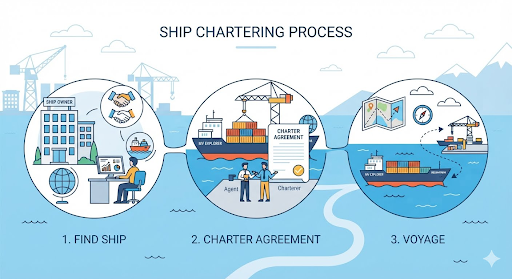
Chartering is another important commercial-shipping option. A company that owns or controls cargo may need professionals who can identify suitable vessels and arrange transportation.

A marine engineer working in this area may move away from direct technical responsibility and start learning how cargo interests, vessel availability, commercial terms, and shipping requirements come together. Depending on the organisation, chartering can also offer a more structured shore-based working environment than some operational roles.

Shipyard Jobs

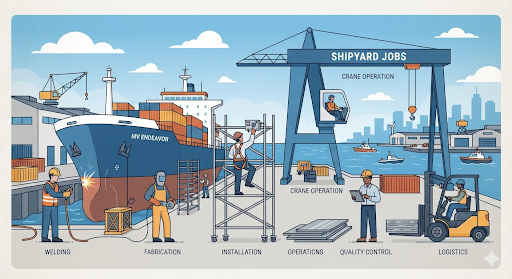
Shipyards provide another option for 3rd and 4th Engineers who want to remain close to ships without working in traditional ship management. If you are interested in how vessels are built, repaired, maintained, or modified, shipyard work can be worth exploring. Your practical understanding of marine machinery and shipboard systems gives you a useful base when entering an environment focused on construction and repair.

Many opportunities may currently be available outside India, although the situation can change as the Indian shipbuilding sector develops. Government support, investment, regulations, and the economics of shipbuilding can influence how many opportunities become available within India.

Table of Contents

Port Operations

Port Operations

Port operations are another area where practical shipboard experience can become valuable.

Ports need professionals who understand that vessels are complex operating units, not simply objects arriving and departing according to a schedule. That practical maritime mindset can differentiate seafarers from candidates with no shipboard exposure.

A 3rd or 4th Engineer may not have the same bridge-management background as a deck officer, but shipboard experience still gives that engineer an understanding of how vessels function in a real port environment. This broader operational awareness can help when moving into suitable port-related roles.

Maritime Law

Maritime Law

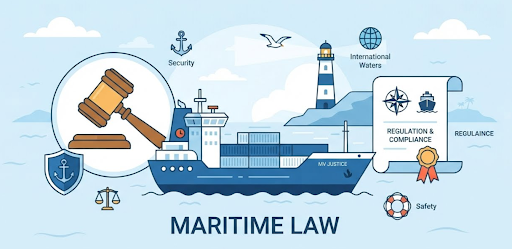
Maritime law is a very different but potentially valuable career path for engineers who are academically inclined, analytical, detail-oriented, and comfortable building logical arguments.

A marine engineer who later qualifies as maritime law can develop an unusual combination of technical and legal knowledge. This can become useful when disputes involve machinery, equipment failure, technical claims, contracts, or operational incidents.

Working in maritime law does not necessarily mean spending your entire career arguing in court. Opportunities may exist with law firms, maritime organisations, insurers, P&I-related organisations, and other businesses involved in claims and disputes.

Business Development

Business Development

Business development can suit engineers who communicate well, enjoy meeting people, and naturally build relationships.

A 3rd or 4th Engineer already has maritime domain knowledge. If that technical and industry understanding is combined with strong communication, confidence, networking, and relationship-building ability, it can become valuable in a client-facing role.

Maritime companies need people who can understand the industry and also represent products, services, or business solutions effectively. A seafarer who can speak the language of shipping while also handling customers and commercial relationships may therefore find good opportunities in business development.

Why Your Sailing Experience Still Matters

Sailing Experience

Moving outside core shipping does not mean that your sea experience suddenly loses value. A 3rd or 4th Engineer understands shipboard working conditions, machinery, vessel limitations, operational pressures, and how different departments function onboard.

That knowledge can provide useful context when dealing with brokers, ports, shipyards, maritime clients, lawyers, insurers, or other shipping professionals. You may still need to learn new skills, but you are not entering the maritime industry as a complete beginner.

How to Choose the Right Shore Career

Right Shore Career

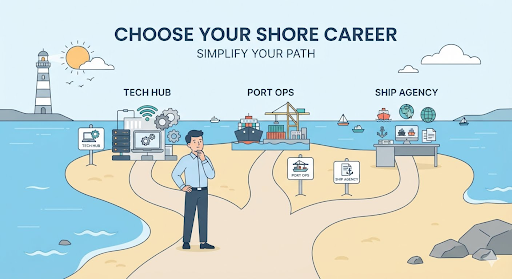
The right option depends less on your current rank and more on what type of work you want to do every day.

If you enjoy deals, negotiation, and commercial thinking, shipbroking or chartering may suit you. If you still enjoy the technical side of ships, shipyards may be more natural. If you like vessel operations and the port environment, port-related roles may be worth exploring.

If you enjoy study, research, arguments, contracts, and claims, maritime law can be considered. If your strength lies in communication and relationship building, business development may be a stronger match.

Final Advice for 3rd and 4th Engineers

A 3rd Engineer or 4th Engineer who wants to stop sailing but remain connected with maritime can explore commercial shipping, shipbroking, chartering, shipyards, port operations, maritime law, and business development.

Before resigning from the sea, study each career carefully, understand its responsibilities, and identify where your existing experience gives you the strongest advantage. Seafarers planning a ship-to-shore transition can also explore  Sailor Pro app for practical career guidance and better organisation of their professional journey.

Frequently Asked Questions (FAQs)

3rd Engineers can explore commercial shipping, shipbroking, chartering, shipyards, port operations, maritime law, and maritime business development.

A 4th Engineer can explore shipbroking, chartering, shipyard roles, suitable port operations positions, business development, and other careers within the wider maritime industry.

Yes. Shipbroking is one of the commercial shipping careers that operational-level engineers can explore, although they will need to develop commercial, negotiation, communication, and networking skills.

Yes. Marine engineers interested in the commercial side of shipping can explore chartering and related roles involving vessels and cargo transportation.

Yes. Shipyards can be suitable for engineers interested in vessel construction, repair, maintenance, and other technical activities outside traditional ship management.

A marine engineer can pursue the required legal qualifications and build a career combining maritime technical knowledge with law, claims, contracts, disputes, and arbitration.

It can be a strong option for engineers with good communication, networking, relationship-building, and people skills who want to remain in the maritime industry.

No. They can remain connected with the wider maritime industry through commercial shipping, ports, shipyards, maritime law, business development, and other related career paths.

Disclaimer :- The opinions expressed in this article belong solely to the author and may not necessarily reflect those of Merchant Navy Decoded. We cannot guarantee the accuracy of the information provided and disclaim any responsibility for it. Data and visuals used are sourced from publicly available information and may not be authenticated by any regulatory body. Reviews and comments appearing on our blogs represent the opinions of individuals and do not necessarily reflect the views of Merchant Navy Decoded. We are not responsible for any loss or damage resulting from reliance on these reviews or comments.

Reproduction, copying, sharing, or use of the article or images in any form is strictly prohibited without prior permission from both the author and Merchant Navy Decoded.

DIWALI SALE

Decoded Discount Alert! up to 50% OFF

DIWALI SALE

Decoded Discount Alert! up to 50% OFF

Use Coupon Code Deep50

Days
Hours
Seconds
0
Would love your thoughts, please comment.x
()
x