Shore job options for operational-level marine engineers are available even if you have not yet become a Second Engineer or Chief Engineer. Junior Engineers, Fourth Engineers, and Third Engineers who decide that sailing is not suitable for them can explore several careers within core shipping. Their knowledge of machinery, maintenance, troubleshooting, ship operations, and technical systems can help them move into various shore roles.
Can Junior Marine Engineers Get Shore Jobs?
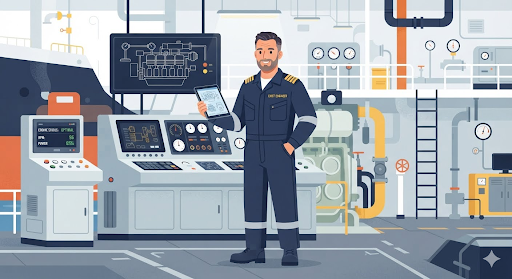
Yes. A marine engineer does not necessarily have to reach management level before considering a shore career. Operational-level engineers already develop an important skill during their sailing career: they understand how marine machinery works, how it is maintained, how problems develop, and how technical systems perform onboard.
Broadly, shore opportunities for operational-level engineers can be divided into two groups. The first includes jobs where technical knowledge is directly used. The second includes shipping jobs where engineering knowledge may not be the primary requirement, but the person’s overall understanding of ships and the maritime industry remains valuable.
Technical Shore Jobs for Marine Engineers
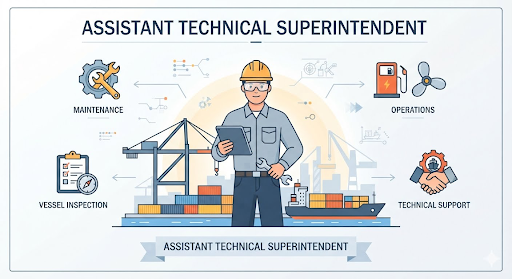
1. Assistant Technical Superintendent
One of the most direct shore job options for an operational-level marine engineer is Assistant Technical Superintendent.
The Technical Superintendent may take major technical decisions, but a large amount of coordination is also required between vessels, vendors, suppliers, and different departments within the shipping company. An Assistant Technical Superintendent can support this process through technical follow-ups, planning, communication, and coordination.
A Junior Engineer, Fourth Engineer, or Third Engineer who understands machinery and shipboard maintenance can therefore potentially fit into this type of supporting technical role.
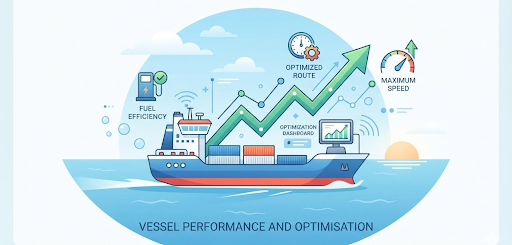
2. Vessel Performance and Optimisation
Another growing career area is vessel performance and vessel optimisation. The objective is to monitor how efficiently the vessel is operating and identify opportunities to improve its performance.
For example, if the performance of a vessel starts declining, the team may study why the change has occurred and what actions can help restore efficiency. This role is not limited to reacting after a problem appears. Performance monitoring can also help identify potential issues earlier and support preventive action..
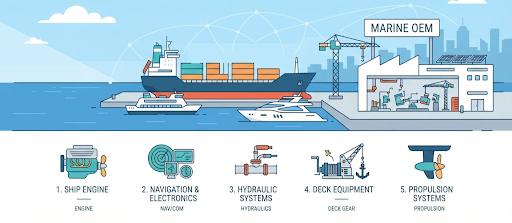
3. Jobs With Marine OEM Companies
Operational-level engineers can also explore opportunities with OEMs or Original Equipment Manufacturers.
Marine equipment manufacturers require people who understand the machinery they manufacture, sell, service, or support. A marine engineer can bring practical onboard understanding that may help when dealing with shipowners, vessels, and technical clients.
Possible work may involve technical support, equipment servicing, troubleshooting, or customer interaction depending on the company and position.
4. Purchasing and Procurement
Purchasing is another important shore career option for marine engineers. Shipping companies regularly need machinery spares, technical equipment, consumables, and components for their vessels.
A large part of marine purchasing can be technical. Someone handling these requirements needs to understand specifications, equipment, spare parts, and what the vessel is actually asking for. This creates opportunities for marine engineers who want to move away from sailing but remain connected with the technical side of shipping.
5. Shipyard Jobs for Marine Engineers
Shipyards are another possible area for operational-level marine engineers.
Although shipyard work may sit slightly outside traditional ship management, marine engineers can use their understanding of vessel machinery, maintenance, repair, and technical systems in this environment.
Someone interested in repair work, maintenance projects, or the technical side of vessel construction and upkeep may consider exploring shipyard opportunities.
6. Dredging Industry Jobs
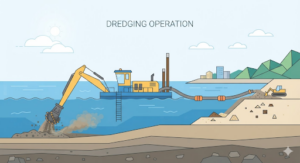
Dredging is another field where marine engineers may find technical shore opportunities. Dredging companies operate specialised vessels and equipment that require regular maintenance and technical management.
Engineers may work in areas connected with the maintenance or shore management of dredgers and associated machinery. One interesting aspect of this sector is that an engineer may potentially progress within the shore organisation without necessarily waiting to become a Chief Engineer at sea first.
Non-Technical Core Shipping Jobs for Marine Engineers
Not every marine engineer who leaves sailing wants to continue working directly with machinery. Some engineers may prefer a people-focused, managerial, training, or administrative role.
In such cases, shipping knowledge can still remain valuable even when the new position does not use engineering skills every day.
1. Learning and Development
Learning and Development can be a good option for marine engineers who enjoy studying, researching, teaching, interacting with people, and sharing knowledge.
This field can involve helping other maritime professionals learn and develop. For someone who enjoys academics or training more than machinery maintenance, it can offer a completely different type of career while remaining within shipping.
It may also provide a more structured office-oriented lifestyle compared with some operational shipping roles.
2. Crewing Jobs
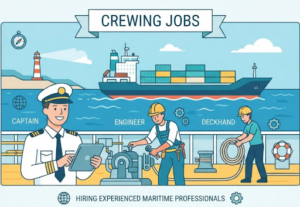
Marine engineers can also consider crewing.
Traditionally, fewer engineers may choose this path, but some shipping companies value technical professionals in crewing teams because they understand the qualifications, experience, and practical background of engineering candidates.
A marine engineer working in crewing may therefore bring a perspective that someone without sea experience may not have.
3. Safety and Quality
Safety and quality is another potential career option.
These departments have traditionally included many deck officers, but shipping companies may also want engineers in their teams to bring technical diversity and engineering knowledge into safety and quality functions.
Operational-level engineers may therefore explore these opportunities depending on the company and the requirements of the role.
Table of Contents
Do You Need to Become Chief Engineer Before Moving Ashore?
Not always. Some shore positions naturally prefer or require significant management-level sailing experience, but the career options discussed here show that operational-level engineers can also find opportunities.
The right role depends on your sailing experience, technical knowledge, interests, and willingness to learn. If you already know that sailing is not the career you want in the long term, it may be useful to start researching shore opportunities instead of assuming that your only option is to continue until Chief Engineer.
Final Advice for Operational-Level Marine Engineers
Junior Engineers, Fourth Engineers, and Third Engineers have more shore opportunities than many initially realise. You can remain technical through superintendent support, vessel performance, OEMs, purchasing, shipyards, or dredging, or explore roles such as Learning and Development, crewing, and safety and quality. You do not always have to wait until becoming a Chief Engineer to start planning your future ashore.
Understand your strengths, research each role carefully, and prepare for a transition that may take time. Seafarers planning their next career move can also explore Sailor Pro app for practical career guidance and better organisation of their professional journey.
Yes. Junior Engineers can explore shore positions depending on their experience and the requirements of the company. Options may include purchasing, technical support, OEM roles, Learning and Development, crewing, and other shipping-related jobs.
Third Engineers can consider many of the same options, including technical superintendent support, vessel optimisation, procurement, OEM technical roles, shipyards, dredging, training, crewing, and safety or quality positions.
The opportunities discussed here include Assistant Technical Superintendent roles for operational-level engineers. Requirements for Technical Superintendent positions themselves can vary between companies and should be checked for each vacancy.
Purchasing can be a suitable option because marine engineers understand machinery, spare parts, equipment specifications, and technical vessel requirements.
Yes. Safety and quality can also be explored by marine engineers, particularly where companies want a mix of deck and engineering experience within their teams.
Not necessarily. The amount of sailing experience required depends on the role and company. Some engineers transition early, although building a successful shore career can still require several years of learning and experience.
Disclaimer :- The opinions expressed in this article belong solely to the author and may not necessarily reflect those of Merchant Navy Decoded. We cannot guarantee the accuracy of the information provided and disclaim any responsibility for it. Data and visuals used are sourced from publicly available information and may not be authenticated by any regulatory body. Reviews and comments appearing on our blogs represent the opinions of individuals and do not necessarily reflect the views of Merchant Navy Decoded. We are not responsible for any loss or damage resulting from reliance on these reviews or comments.
Reproduction, copying, sharing, or use of the article or images in any form is strictly prohibited without prior permission from both the author and Merchant Navy Decoded.