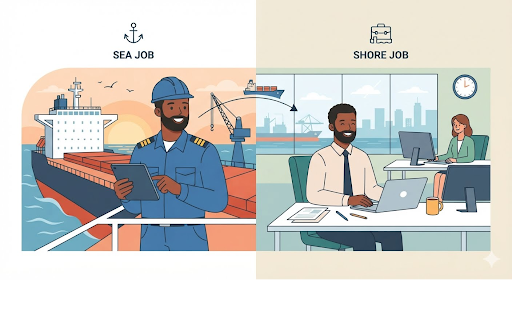
Shore job options for seafarers can broadly be divided into three areas: core shipping, the wider maritime industry, and careers completely outside shipping. Before choosing any path, the first step is to decide whether you genuinely want to stop sailing or are only exploring options temporarily. Once that decision is clear, you can start evaluating which type of shore career allows you to use your maritime experience most effectively.
What Are the Main Shore Job Options for Seafarers?
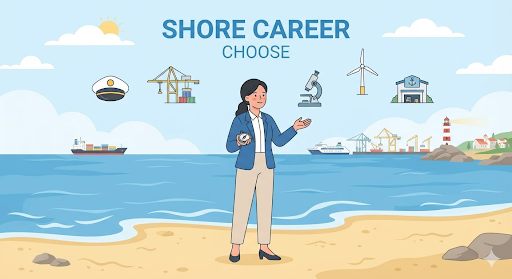
For someone planning a ship-to-shore transition, career opportunities can broadly be divided into three categories: core shipping jobs, broader maritime industry jobs, and careers outside shipping. Each category offers different opportunities, and the right choice depends on your experience, department, interests, and long-term career goals.
Core Shipping Jobs for Seafarers
Core shipping includes shore-based roles that remain directly connected with ship management and vessel operations. These jobs allow seafarers to use much of the technical and operational knowledge they developed onboard.
Examples can include roles such as Assistant Technical Superintendent, Technical Superintendent, Safety Officer, Safety Superintendent, purchasing roles, and crewing positions. These jobs are often among the most natural transition options because the seafarer already understands how ships operate.
Technical Superintendent
Technical Superintendent roles can be particularly relevant for marine engineers who want to move ashore while remaining closely connected with vessel operations.
A person may initially enter as an Assistant Technical Superintendent and gradually move toward more senior technical responsibilities. Experience with machinery, maintenance, troubleshooting, PMS, and shipboard operations can become useful in such roles.
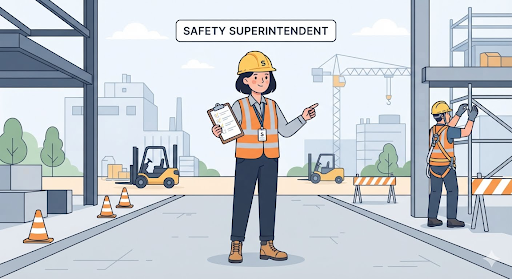
Safety and Compliance Roles
Another possible path is working as a Safety Officer or Safety Superintendent. Seafarers already have experience with onboard procedures, safety management, drills, risk assessments, and operational discipline.
This experience can help when moving into a shore role where the responsibility involves monitoring safety performance and supporting vessels from the office.
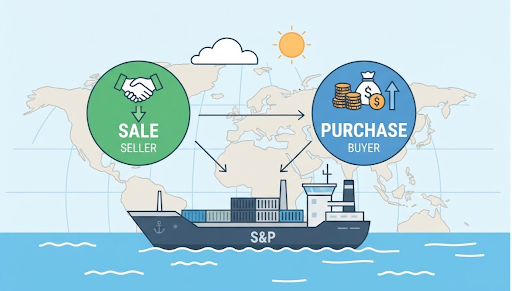
Sales and Purchase
Purchasing is another area within core shipping. Ships continuously require machinery parts, equipment, consumables, and other supplies.
A seafarer who understands what is actually required onboard can potentially use that practical knowledge in purchasing or procurement-related roles within a ship management company.
Crewing
Crewing is another major shore-based career option. Someone may begin as a Junior Crewing Executive, progress to Senior Executive, and eventually move into a Crewing Manager position.
Seafarers can bring practical understanding of documentation, joining requirements, rank structures, crew challenges, and vessel operations into such positions.
Broader Maritime Industry Careers
The second major category is the broader maritime industry. These roles are still connected with shipping and maritime business, but they may not be directly involved in day-to-day ship management.
This category can include commercial shipping, brokerage, logistics, port operations, claims, liner operations, technical maintenance, and several other maritime-related fields.
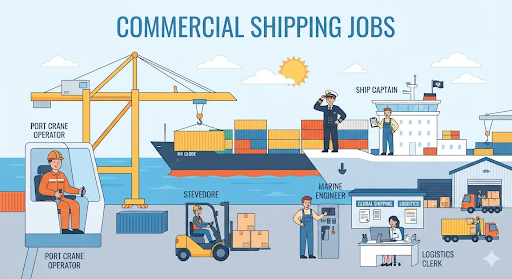
Commercial Shipping Jobs
Commercial shipping is different from technical ship management. It focuses more on the commercial movement and employment of vessels.
Possible roles can include ship broker, Voyage Manager, claims professional, and operations roles. These jobs may require seafarers to develop a stronger understanding of the commercial side of shipping in addition to their sea experience.
Ship Broking
Ship broking can be an option for seafarers who are interested in the commercial side of the industry.
The nature of the work is different from sailing because it involves business relationships, communication, negotiations, and understanding vessel requirements from a commercial perspective.
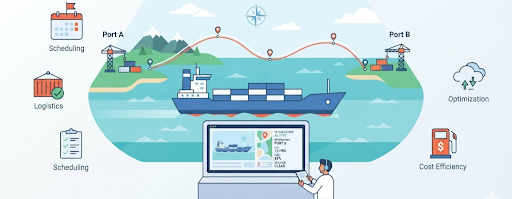
Voyage Management and Operations
Voyage management and operations are other areas that experienced deck officers may explore.
A seafarer already understands voyage planning, port operations, vessel limitations, cargo operations, and the practical challenges that ships face. That knowledge can become valuable when handling vessels from the shore side.
Claims Roles in Shipping
Claims is another possible maritime career area. Shipping involves cargo, operational, contractual, and other disputes that may lead to claims.
A seafarer’s practical understanding of what happens onboard can be useful when working with situations where operational facts and vessel-related knowledge need to be understood.
Port and Liner Operation
Seafarers who have sailed on container vessels may also find opportunities in liner operations and port-related jobs.
A Master, Chief Officer, Second Officer, or another experienced deck officer already understands vessel movements, port operations, cargo handling, and operational coordination. This can make port-side roles a possible career direction after sailing.
Table of Contents
Career Options for Marine Engineers Ashore
Marine engineers also have several opportunities beyond traditional superintendent roles. Their experience with machinery, preventive maintenance, technical systems, and troubleshooting can be useful in shore-based technical positions.
Areas such as PMS management, machinery maintenance, container equipment, reefer systems, and port equipment maintenance can be worth exploring depending on the engineer’s experience and interest.
Why Maritime Experience Matters Ashore
One of the biggest advantages of moving into core shipping or the broader maritime sector is that your sailing experience remains relevant.
If you already understand vessel operations, machinery, cargo, safety, crew management, or maintenance systems, you are not starting completely from zero. Your sea experience can help differentiate you from candidates who have never worked onboard.
Careers Completely Outside Shipping
The third option is to leave shipping completely and move into an unrelated career. A seafarer may decide to pursue a new field through an MBA, master’s degree, or another professional qualification.
Possible areas could include finance, technology, HR, management, or another field based on personal interest. However, this path generally requires more careful planning because your existing maritime experience may carry less direct value in an unrelated industry.
Should Experienced Seafarers Leave Shipping Completely?
If you already have around five to seven years of experience in shipping, it may make sense to first explore opportunities within shipping or the broader maritime industry.
The reason is simple: those years of experience give you a professional advantage. Moving into a completely unrelated industry may mean competing with people who already have education and experience specifically in that field.
Is an MBA a Good Option for Seafarers?
An MBA can be useful if you genuinely want to move outside shipping, but the quality of the institution matters significantly.
If you are planning a major career switch, targeting a top-tier institution such as leading IIMs, ISB, INSEAD, Harvard, Wharton, or another highly reputed business school may provide stronger career opportunities than completing a general MBA without a clear career objective.
Which Shore Career Path Should You Choose?
The best option depends on how far you want to move from sailing. If you want to remain closely connected with vessels, core shipping may suit you. If you want wider exposure while still using maritime knowledge, the broader maritime industry may offer more possibilities.
If your interests have completely changed and you are ready to build a new career, moving outside shipping is also possible. However, that decision should be backed by a clear plan, strong education, and realistic expectations.
Final Advice for Seafarers Planning a Shore Career
Before moving ashore, first decide whether you genuinely want to stop sailing and then explore the three broad paths: core shipping, the wider maritime industry, or careers outside shipping. If you already have several years of maritime experience, try to leverage that experience instead of discarding it without a strong reason. Seafarers exploring different career paths can also use Sailor Pro app to access practical information and organise important career decisions more effectively.
An MBA can be useful for someone planning to move into a different career, especially when pursued from a strong institution and with a clear career objective.
For someone with significant maritime experience, staying within shipping or the broader maritime industry can allow that experience to remain valuable. Moving completely outside shipping may require starting again in a new field.
Planning should ideally begin before leaving sailing. Seafarers should identify the type of shore career they want, understand the skills required, and then prepare for that transition.
Disclaimer :- The opinions expressed in this article belong solely to the author and may not necessarily reflect those of Merchant Navy Decoded. We cannot guarantee the accuracy of the information provided and disclaim any responsibility for it. Data and visuals used are sourced from publicly available information and may not be authenticated by any regulatory body. Reviews and comments appearing on our blogs represent the opinions of individuals and do not necessarily reflect the views of Merchant Navy Decoded. We are not responsible for any loss or damage resulting from reliance on these reviews or comments.
Reproduction, copying, sharing, or use of the article or images in any form is strictly prohibited without prior permission from both the author and Merchant Navy Decoded.