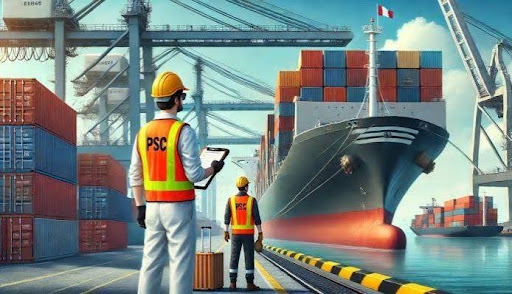
Many marine engineers reach a stage where they start thinking about a stable shore career. After years of sailing, long contracts, family distance and irregular routines, many officers want to use their sea experience in a respected shore-based role.
Port State Control, also known as PSC, can be one of the best career options for experienced marine engineers. It offers authority, responsibility, stability and professional respect in the maritime industry.
What Is Port State Control?
Port State Control is a system where a country inspects foreign ships visiting its ports. The main purpose is to check whether the ship is following international safety rules, pollution-prevention standards, crew welfare requirements and maritime regulations.
A Port State Control officer may inspect certificates, safety equipment, crew documents, machinery spaces, pollution-prevention systems, maintenance records and operational readiness. If serious deficiencies are found, corrective action can be required.
Why Port State Control Is Important
Port State Control is important because it helps ensure that ships entering a port are safe, compliant and properly maintained. A vessel may belong to a large shipping company, but once it enters another country’s port, it must follow that port state’s rules.
If major safety or environmental issues are found, the ship may even be detained. This makes PSC a powerful and highly respected part of maritime safety and compliance.
Why Marine Engineers Are Suitable for PSC Roles
Marine engineers are strong candidates for Port State Control because they understand real shipboard operations. They know how machinery works, how maintenance is done and how defects are managed onboard.
An experienced Second Engineer or Chief Engineer has usually handled main engines, auxiliary machinery, emergency systems, oily-water separators, fire pumps, steering gear, safety drills and class inspections. This practical knowledge helps them inspect vessels with better judgement.
How Sea Experience Helps in PSC Inspections
Sea experience gives marine engineers a practical advantage during inspections. They can understand whether a ship is genuinely maintained or only prepared for inspection on the surface.
PSC work needs strong judgement. The officer must know whether a deficiency is minor, serious or dangerous. Marine engineers can use their onboard experience to inspect engine-room safety, machinery condition, pollution-prevention equipment and emergency systems properly.
Port State Control Entry Process in India
In India, Port State Control is connected with government authority and maritime administration. The Directorate General of Shipping plays an important role in the Indian maritime regulatory system.
The entry process is generally done through official government recruitment notifications. Candidates must apply as per the eligibility criteria mentioned in the advertisement. The required qualification, certificate, sea experience, age limit and salary may change depending on the post.
How to Apply for PSC Jobs in India
PSC entry in India is not like applying for a private shipping company job through LinkedIn or a recruitment consultant. It is a formal government recruitment process.
Marine engineers interested in this career should regularly check official maritime and government recruitment updates. Before applying, candidates must read the official notification carefully and confirm the eligibility, documents, selection process, salary structure and deadline.
How to Find PSC Vacancies in India
Marine engineers should depend only on verified sources while checking PSC vacancies. Vacancies may be published through DG Shipping-related updates, Mercantile Marine Department notices, government recruitment portals or official maritime authority notifications.
Sometimes, these vacancies may also appear in newspapers. Candidates should not depend only on WhatsApp forwards or unverified social media posts. The official notification should always be considered the final source.
Port State Control Opportunities Abroad
Many Indian marine engineers also look for Port State Control or maritime inspection roles abroad. Countries like Australia, the United Kingdom and Canada have maritime authorities where experienced maritime professionals may get opportunities.
However, Indian certificates may not automatically make someone eligible abroad. Every country has its own rules, certification system, work requirements and recruitment process. Candidates must check country-specific requirements before planning this career path.
PSC Jobs Abroad for Indian Marine Engineers
A marine engineer may need local certificate recognition, additional courses, residency status, work eligibility or interviews before applying for PSC roles abroad.
For seafarers who are already settled abroad or planning long-term migration, Port State Control can be a strong career option. However, the process may take time because local maritime authority requirements must be completed first.
Skills Required for Port State Control Officers
Port State Control requires strong technical knowledge, but technical knowledge alone is not enough. A PSC officer must also have sharp observation skills and strong attention to detail.
Small signs can reveal bigger compliance issues. Poor maintenance, incomplete records, repeated machinery defects or unsafe practices may not be visible at first glance. A good PSC officer should be able to identify these issues professionally.
Report Writing and Communication Skills
Report writing is very important in Port State Control. An inspection does not end with verbal comments. The officer must record observations, deficiencies and required actions clearly.
Communication skills are equally important. A PSC officer has to interact with the Master, Chief Engineer, officers, crew, managers and sometimes owners’ representatives. The officer must be firm but fair. Confidence is required, but arrogance should be avoided.
Port State Control Officer Salary in India
In India, the salary of a Port State Control officer depends on the post, department, government pay structure and official recruitment notification.
In some cases, the starting salary may be around ₹1 lakh per month. However, the exact salary should always be checked from the official advertisement. Apart from salary, government or regulatory roles may offer stability, authority and service-related benefits.
PSC Salary vs Sailing Income
For marine engineers, PSC salary may feel lower than sailing income. A Chief Engineer at sea may earn much more than a shore-based government officer.
But PSC offers something different. It gives shore life, stability, official authority, social respect and a structured career. So, the decision should not be based only on salary. Lifestyle, family time and long-term career planning also matter.
PSC Salary and Growth Abroad
Port State Control and maritime authority jobs abroad may offer better salary packages compared to India, especially in developed countries.
However, salary depends on the country, authority, role, certification, experience and employment rules. Candidates should also consider taxation, cost of living, rent, family expenses and immigration status before comparing foreign salary with Indian salary.
Power and Responsibility in Port State Control
Port State Control officers have strong authority. They can inspect ships, record deficiencies and detain vessels if serious safety or environmental issues are found.
But this authority must be used carefully. A wrong decision can affect a vessel’s schedule, owner’s reputation, charter commitments and port operations. At the same time, missing a serious deficiency can create safety or pollution risks.
What Marine Engineers Should Expect in PSC Career
A career in Port State Control can be satisfying for marine engineers who enjoy inspections, technical evaluation and maritime regulations.
However, it is not an easy job. Officers must keep learning updated rules, inspection procedures and changes in maritime conventions. They must write strong reports, handle difficult conversations and take firm decisions under pressure when required.
Who Should Choose Port State Control?
Port State Control is suitable for marine engineers who are detail-oriented, disciplined and serious about maritime safety. It is also suitable for those who are confident in communication and comfortable with inspection-based work.
This career is best for professionals who want to use their sea experience in a responsible shore-based role. It gives respect, authority and a chance to contribute to safer shipping.
Table of Contents
Final Advice for Marine Engineers
Port State Control can be a strong shore career option for experienced marine engineers who want authority, stability and a respected regulatory role.
In India, entry is usually through official government recruitment. Abroad, Indian marine engineers may need local certification, required courses and country-specific eligibility. PSC gives power, but it also demands responsibility, fairness and professional judgement.
Start Your Journey with Sailor Pro App
A successful ship-to-shore move starts with understanding where your marine engineering experience can create real value. Sailor Pro app, an initiative by Merchant Navy Decoded, helps seafarers explore practical career guidance, maritime learning and industry-focused support so they can plan their next step with more clarity and confidence.
Final Advice for Indian Seafarers
The SWFS Survivor Benefit Scheme is one of the most important welfare protections for Indian seafarer families. For eligible cases, the benefit can go up to ₹6,00,000 for deaths occurring on or after 27 January 2026, subject to the nominee rule, off-article period rule, last engagement through Indian shipping company or RPSL, claim timeline, and required documents.
Every seafarer should make sure the family understands three things clearly: who the nominee is, where the documents are kept, and how quickly the claim should be submitted.
Port State Control is a system where a country inspects foreign ships visiting its ports. It checks whether the ship is following safety, pollution-prevention, crew welfare and maritime compliance rules.
Yes, experienced marine engineers can become suitable candidates for Port State Control roles. Their knowledge of machinery, engine-room operations, safety systems and onboard maintenance helps them during inspections.
Yes, Port State Control can be a respected shore career for marine engineers. It offers authority, stability, professional respect and a chance to use sea experience in a regulatory role.
In India, Port State Control roles are generally filled through official government recruitment notifications. Candidates must check the eligibility, age limit, certificate requirement, sea experience and selection process mentioned in the official advertisement.
The qualification depends on the official recruitment notification. Maritime qualification, sailing experience, valid certificates and technical knowledge are usually important. Candidates should always confirm the exact requirement from the official notice.
The salary depends on the post, department and government pay structure. In some cases, it may start around ₹1 lakh per month, but the exact amount should always be checked from the official notification.
Usually, sailing salary may be higher than PSC salary, especially for senior marine engineers. However, PSC offers shore life, stability, government authority, regular routine and long-term career respect.
Yes, countries like Australia, the United Kingdom and Canada may offer maritime authority or inspection roles. However, Indian marine engineers may need local certification, work eligibility and country-specific approval before applying.
A PSC officer should have strong technical knowledge, inspection skills, attention to detail, report writing ability, communication skills and a good understanding of maritime regulations.
Candidates should check official maritime and government sources such as DG Shipping-related updates, Mercantile Marine Department notices, government recruitment portals and official maritime authority notifications.
Disclaimer :- The opinions expressed in this article belong solely to the author and may not necessarily reflect those of Merchant Navy Decoded. We cannot guarantee the accuracy of the information provided and disclaim any responsibility for it. Data and visuals used are sourced from publicly available information and may not be authenticated by any regulatory body. Reviews and comments appearing on our blogs represent the opinions of individuals and do not necessarily reflect the views of Merchant Navy Decoded. We are not responsible for any loss or damage resulting from reliance on these reviews or comments.
Reproduction, copying, sharing, or use of the article or images in any form is strictly prohibited without prior permission from both the author and Merchant Navy Decoded.