Choosing between nautical and engineering is one of the first big decisions for students planning to join the Merchant Navy.
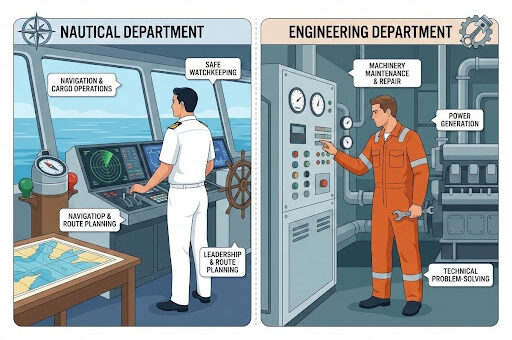
Both departments offer a proper career at sea, but their work is very different. The nautical side works mainly on the bridge and deck, while the engineering side takes care of the engine room and ship machinery.
Before choosing a course, students and parents should understand the duties, skills and career path of both departments. The choice should not be based only on salary, uniform or advice from friends.
What Is the Difference Between Nautical and Engineering
The nautical department is responsible for navigation, cargo work, deck maintenance, safety duties and ship operations.People working in this department include deck ratings, deck cadets, officers and the Captain.
The engineering department is responsible for engines, generators, pumps, machinery, electrical systems and other equipment that keeps the ship running.
It includes engine ratings, trainee engineers, engineering officers and the Chief Engineer.
In simple words, the nautical team guides and operates the ship, while the engineering team gives it power and keeps its machinery working.
How Is the Indian Seafarer Workforce Divided
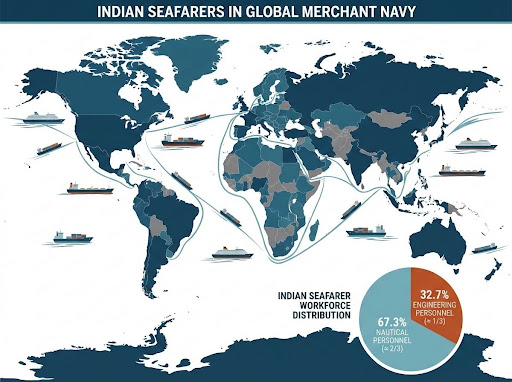
DG Shipping’s published statistics show that India has a large number of seafarers working on Indian and foreign-flagged ships. The figures are divided into nautical and engineering categories.
According to the workforce data used in the reference report, about 67.3 percent of Indian seafarers were from the nautical side, while around 32.7 percent were from engineering.
This means nearly two out of every three Indian seafarers belonged to the nautical department.
However, a bigger workforce does not mean that one department is better or more important.
Why the Nautical Side Has More People
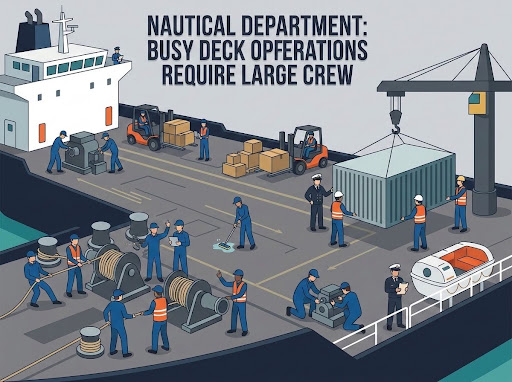
The nautical department includes both officers and a large number of ratings.
Ships require deck crew for mooring, anchoring, cargo work, lookout duties, watchkeeping, cleaning and deck maintenance.
The department also includes officers who manage navigation, safety, cargo planning and communication.
Because many deck ratings and officers work across different types of vessels, the nautical side naturally has a larger workforce.
This does not mean every nautical course guarantees a job. Students still need proper training, approved qualifications, medical fitness and suitable job opportunities.
What Work Is Done in the Nautical Department
The nautical department manages the safe movement and operation of the ship.
Deck officers work on the bridge, plan routes, monitor the vessel’s position, communicate with ports and maintain a safe watch.
They may also manage cargo operations, safety drills and emergency duties.
Deck ratings help with mooring, anchoring, maintenance, lookout duties and general deck work.
As officers gain experience and pass the required examinations, they can move to senior ranks and eventually become Captain.
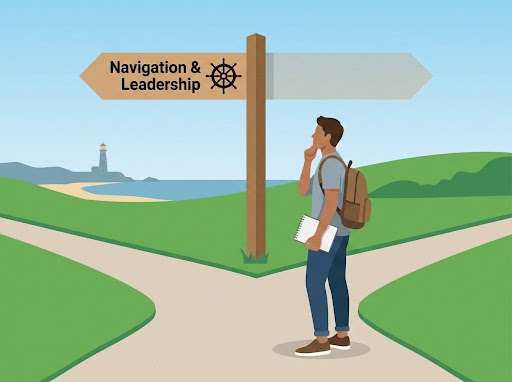
This department suits people interested in navigation, leadership and outdoor ship operations.
What Work Is Done in the Engineering Department
The engineering department keeps the ship’s machinery working safely.
Marine engineers operate and maintain the main engine, generators, pumps, compressors, boilers, fuel systems and many other machines.
They check temperatures, pressure, oil levels and equipment performance. They also carry out planned maintenance and repair faults.
Engine ratings support engineers with maintenance, cleaning and daily engine-room work.
The engineering team must prevent breakdowns because a major machinery failure can stop the vessel or create a safety risk.
This department suits students who enjoy machines and technical problem-solving.
Why Both Departments Are Important on a Ship
A ship cannot operate with only one department.
The nautical side may know the route and control the movement of the vessel, but the ship cannot move without power from the engine room.
In the same way, the engineering team can keep the machinery working, but the vessel still needs safe navigation, cargo control and bridge watchkeeping.
Both departments also work together during emergencies, drills, port operations and major repairs.
One side is not more respected simply because it has more people. A safe ship depends on proper teamwork between deck and engine crew.
What Skills Are Needed for the Nautical Side
Students interested in the nautical side should have good observation and communication skills.
They should be able to remain alert during watchkeeping and take correct decisions under pressure.
Leadership becomes more important as a deck officer moves towards senior ranks.
A person choosing this department should also be comfortable with navigation, weather, cargo work and responsibility for the ship’s safety.
Basic English is important because communication with ports, pilots, officers and international crews is often in English.
Discipline and confidence are also needed for a successful nautical career.
What Skills Are Needed for the Engineering Side
Students interested in engineering should enjoy understanding how machines and systems work.
They need strong problem-solving skills because technical faults may occur at any time.
Engineers must be careful while checking pressure, temperature and machinery performance. Small mistakes can lead to bigger problems.
The work also requires patience, teamwork and the ability to remain calm during breakdowns.
Engineering students should be willing to keep learning because modern vessels use automation, electronics and advanced machinery.
People who enjoy practical technical work may find this department more suitable.
Career Growth in the Nautical Department
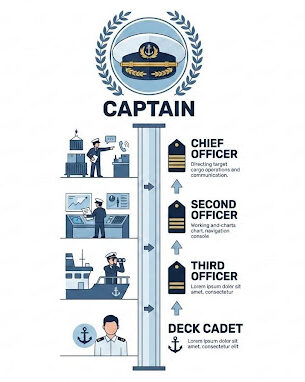
A common officer-level career can begin as a Deck Cadet.
After completing the required sea time, courses and examinations, a candidate may progress through officer ranks such as Third Officer, Second Officer, Chief Officer and Captain.
Ratings also have their own career path and may improve their rank through experience, training and required qualifications.
Experienced nautical officers may later move into shore jobs such as marine superintendent, surveyor, port operations, training or safety management.
Career growth depends on sea experience, examinations, performance, available jobs and the type of vessels served.
Career Growth in the Engineering Department
An engineering officer may begin as a Trainee Marine Engineer or Junior Engineer.
After completing the required sea service and examinations, the person may move through ranks such as Fourth Engineer, Third Engineer, Second Engineer and Chief Engineer.
Engine ratings can also gain experience and complete further approved training for career improvement.
After sailing, experienced engineers may work as technical superintendents, surveyors, trainers, technical managers or with shipyards and marine equipment companies.
The department offers both sailing and shore-based opportunities for people with strong technical knowledge.
Who Should Choose the Nautical Side
The nautical side may suit students who are interested in navigation, ship handling, cargo work and leadership.
They should be comfortable working on deck, standing bridge watches and communicating with different people.
Students who dream of becoming a Captain may choose this path after understanding the training and examination process.
However, nobody should select nautical only because the uniform looks attractive or because someone says it has a better salary.
The actual work involves pressure, responsibility, long hours and strict safety duties.
Who Should Choose the Engineering Side
The engineering side may suit students who enjoy engines, machines, electrical systems and repair work.
It is a good option for people who like finding faults and understanding how equipment operates.
Students should also be prepared for engine-room conditions, technical responsibility and continuous maintenance work.
The department can lead towards the rank of Chief Engineer and several technical shore jobs.
However, engineering should not be chosen only because its workforce is growing. Interest in technical work is very important for long-term success.
What Students Should Check Before Choosing a Department
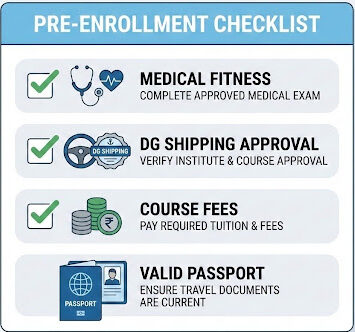
Before choosing a course, students should check their educational eligibility and medical fitness.
They should also confirm whether the course and institute are approved by DG Shipping.
Understand the course fee, training period, sea-time requirement, examination process and realistic job opportunities.
Speak with people who have actually worked in the department instead of depending only on social media videos.
Parents should also understand that no course can guarantee an immediate job.
A correct decision should be based on the student’s interest, ability and understanding of the profession.
Table of Contents
Final Advice for Merchant Navy Aspirants
Nautical and engineering are two different career paths, but both are essential for running a ship. Nautical may have a larger workforce, while engineering has more specialised technical duties.
Students should not ask only which side is better. They should ask which side matches their interests and abilities.
Students can upgrade their preparation by using Merchant Navy Start app for step-by-step career roadmaps, exam patterns, and daily quizzes.
The Sailor Pro App can also help future and working seafarers manage maritime documents, receive certificate reminders and stay updated with important career information. Choose your department only after understanding the real work involved.
Nautical work involves navigation, cargo, bridge duties and deck operations. Engineering work involves engines, machinery, power systems and technical maintenance.
Both sides offer good career growth. The right choice depends on the student’s interest, skills, training and available opportunities.
Disclaimer :- The opinions expressed in this article belong solely to the author and may not necessarily reflect those of Merchant Navy Decoded. We cannot guarantee the accuracy of the information provided and disclaim any responsibility for it. Data and visuals used are sourced from publicly available information and may not be authenticated by any regulatory body. Reviews and comments appearing on our blogs represent the opinions of individuals and do not necessarily reflect the views of Merchant Navy Decoded. We are not responsible for any loss or damage resulting from reliance on these reviews or comments.
Reproduction, copying, sharing, or use of the article or images in any form is strictly prohibited without prior permission from both the author and Merchant Navy Decoded.