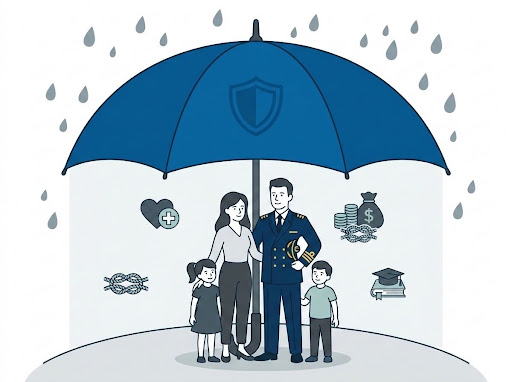
Many seafarers delay insurance because they feel nothing will happen to them. Some think they are young, healthy, and earning well, so insurance can wait. Some avoid term insurance because they do not get money back if they survive the policy term. But this mindset can become risky. For seafarers, insurance is not just a financial product. It is a protection system for the family. A seafarer’s income may support household expenses, children’s education, parents, spouse, loans, medical needs, and future goals.
What Does Insurance Mean for Seafarers?
Insurance means financial protection against risks that can disturb your family’s life. For seafarers, the biggest risks are loss of income, medical emergency, accident, disability, and financial pressure during contract gaps. Life insurance helps protect the family if the earning seafarer is no longer there. Health insurance helps reduce the burden of hospital expenses. IRDAI’s policyholder portal explains that life insurance is connected with risks like death, disability and accident, where loss of life or disability can create loss of income for the household.
Major Risks Seafarers Face at Sea
Seafarers work in a different risky environment compared to shore-based workers. They travel internationally, work long contracts, stay away from family, clear medical fitness checks, and handle physical duties onboard. A sudden illness, accident, injury, or long-term disability can affect both career and family income. Company support may help in some cases, but it may depend on contract terms, company rules, agreement conditions, and case details. Personal insurance gives a separate safety layer beyond job-related support.
Life Risk and Family Protection
A seafarer’s income often becomes the foundation of the family. If that income suddenly stops, the family may struggle with rent, home loan, education, food, medical expenses, and daily needs. Life insurance is important because it gives financial support to the family during such a situation. IRDAI says life insurance is needed to ensure immediate family has financial support in the event of demise and to finance children’s education and other needs.
Medical Risk and Hospital Expenses
Medical emergencies can come suddenly. A serious illness, accident, surgery, or hospitalisation can create heavy bills. Without health insurance, families may break savings, stop SIPs, sell assets, or borrow money. Health insurance helps reduce this pressure. IRDAI explains that health insurance essentially covers medical expenses and is a contract where the insurer provides specified health cover for a premium, subject to policy terms and conditions. For seafarers, this protects savings from medical shocks.
Accident and Disability Risk Onboard
An accident or disability can affect a seafarer’s ability to continue sailing. If a seafarer becomes medically unfit or unable to work at sea, future income may be affected. This is why insurance planning should not focus only on death risk. Accident cover, disability protection, health insurance, and emergency fund planning are also important. A seafarer should understand what company cover provides and what personal insurance should provide separately. Family protection should not depend on only one source.
Income Gap Between Contracts
Seafarers usually earn during contracts, but there may be gaps between contracts. During leave period, family expenses continue. EMIs, school fees, household costs, medical needs, and parents’ support do not stop. If a medical emergency comes during a contract gap, the pressure can become higher. Insurance helps reduce uncertainty. Health insurance protects savings, while term insurance protects family income risk. A seafarer should select premiums that can be paid even during leave period or delayed joining.
Company Cover Is Not Enough
Many seafarers depend only on company cover. This can be risky. Company cover may apply only during certain periods and under certain conditions. It may depend on whether the seafarer is under contract, onboard, travelling for joining, or already signed off. After the contract ends, the protection may not continue in the same way. Personal insurance is different. It belongs to the seafarer and protects the family beyond company rules, contract period, and employment situation.
Term Insurance Protects Family Income
Term insurance is mainly for family income protection. If the earning seafarer dies during the policy term, the family receives the cover amount as per policy conditions. It is not mainly for returns. A seafarer should not reject term insurance only because there is no maturity payout in a basic term plan. The purpose is protection. If your family depends on your sea salary, term insurance can help them continue life with dignity if something happens to you.
Health Insurance Protects Savings
Health insurance protects the savings that seafarers build through hard work. One medical emergency can disturb years of disciplined earning and saving. A good health insurance plan can help manage hospital bills, surgery costs, treatment expenses, and emergency medical needs, subject to policy terms. The family should know the insurer name, policy number, cashless hospital process, and claim contact. Insurance is useful only when the family knows how to use it during an emergency.
Insurance Is Protection, Not Investment
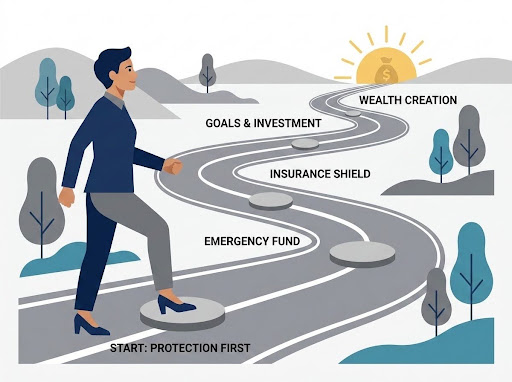
Insurance and investment are not the same. Insurance is for protection. Investment is for wealth creation. When both are mixed blindly, the seafarer may end up with high premium, low cover, confusing terms, and weak protection. First, protect your family through term insurance and health insurance. After that, plan investments separately through suitable assets. The goal is simple: life insurance should protect income risk, health insurance should protect medical risk, and investments should build long-term wealth.
Why Seafarers Should Start Insurance Early
Buying insurance early can be useful because premiums are usually lower when age is lower and health is better. Waiting can create problems. A future illness, higher age, medical history, or changed income status can make approval difficult or expensive. IRDAI’s policyholder duties say consumers should select a premium they can afford and disclose all material information correctly while buying a policy. Seafarers should not wait for the perfect time. Start protection early and review later.
Common Insurance Mistakes Seafarers Make
Common mistakes include delaying insurance, depending only on company cover, buying policies only for returns, taking low life cover, ignoring health insurance, hiding sailing profession, not reading exclusions, and not updating nominee details. IRDAI advises policyholders to fill proposal forms truthfully, disclose material information, choose the policy term and premium as per need, and register nomination correctly. A seafarer should not buy insurance blindly because an agent, friend, or relative recommends it.
Table of Contents
Final Advice: Protect First, Invest Next
Insurance is not about fear. It is about responsibility. A seafarer works hard at sea so that the family can live with stability and dignity. But earning well is not enough if the family is not protected against sudden shocks. No insurance today can become a big risk tomorrow. Term insurance protects family income. Health insurance protects savings. Personal insurance protects the family beyond company cover. The right mindset is simple: protect first, invest next.
Take the Next Step
For seafarers, buying insurance is not only about choosing a policy. It is about understanding the terms, protecting your family, and making informed financial decisions. Sailor Pro app – Built for Seafarers, an Initiative by Merchant Navy Decoded, can help seafarers stay more organised and confident in their financial planning. You can also followfinance_for_seafarers on Instagram and join the WhatsApp channel Financial Management for Seafarer for practical money guidance created especially for seafarers.
Insurance is important because it protects the family from financial pressure caused by death, illness, accident, disability, medical expenses, or income loss.
Yes. Insurance should protect risks, while investments should build wealth. Mixing both blindly can create weak protection and confusion.
Disclaimer :- The opinions expressed in this article belong solely to the author and may not necessarily reflect those of Merchant Navy Decoded. We cannot guarantee the accuracy of the information provided and disclaim any responsibility for it. Data and visuals used are sourced from publicly available information and may not be authenticated by any regulatory body. Reviews and comments appearing on our blogs represent the opinions of individuals and do not necessarily reflect the views of Merchant Navy Decoded. We are not responsible for any loss or damage resulting from reliance on these reviews or comments.
Reproduction, copying, sharing, or use of the article or images in any form is strictly prohibited without prior permission from both the author and Merchant Navy Decoded.