Hi this is Team Merchant Navy Decoded !!!

Please fill the below form with your query and we will get back to you in next 12 hours.

Rest assured your data is safe with us !!!🙂

Ask Your Query

Should Seafarers Take Loans?

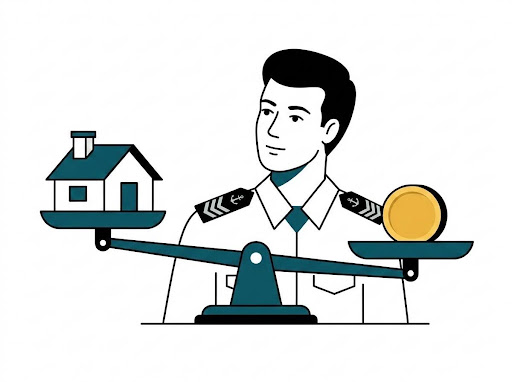
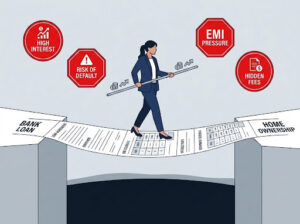
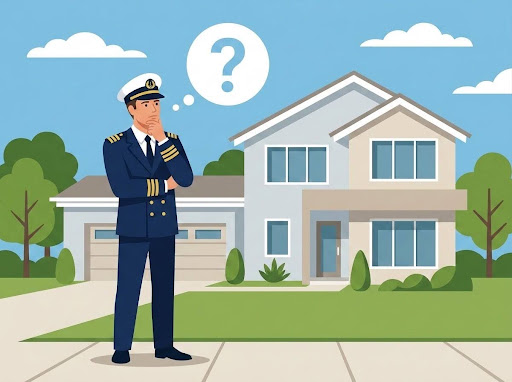
Many seafarers earn well during contracts, but one wrong loan decision can create long-term financial pressure. A home loan, car loan, or personal loan may look normal from the outside. But if it is taken without planning, the EMI can slowly start controlling your salary. The real question is not, “Is a loan good or bad?” The real question is, “Is this loan helping me build a better life, or is it trapping my future income?” A loan is not always bad. Poor planning is bad.

Is Taking a Loan Good for Seafarers?

Should Seafarers Take Loans

Taking a loan can be good for seafarers if it helps build an asset, protect cash flow, or support a genuine family need. A home loan for a legally clear and useful property may make sense. A car loan for real family use may also be okay if EMI is comfortable. But loans taken for show-off, pressure, or lifestyle competition can become dangerous. A seafarer should respect loans. They can help when planned properly, but they can trap salary when taken emotionally.

Why Seafarers Should Think Carefully Before Taking Loans

Seafarers Should Think Carefully Before Taking Loans

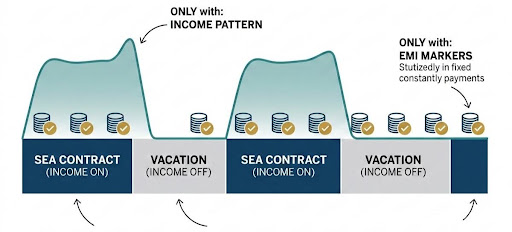
Seafarers should think carefully before taking loans because their income pattern is different from regular shore jobs. During contract, salary may come strongly. Between contracts, income can stop for some time. During this period, family expenses, insurance premiums, school fees, EMIs, medical needs, travel, and document renewal may continue. If EMI is too high, financial pressure can increase quickly. A loan should never eat your emergency fund or force you to sail only to pay EMIs.

Why Seafarer Income Pattern Matters Before EMI

Seafarer Income Pattern Matters Before EMI

A shore employee may get salary every month. A seafarer may earn during contract and then face a gap before the next joining. This difference matters before taking EMI. The EMI should be comfortable even during off-contract months. Do not calculate affordability only from one strong contract salary. Calculate using annual income, expected contract gaps, family expenses, and emergency needs. If EMI looks comfortable only while sailing but stressful during leave, the loan may be risky.

Why a Loan Is a Tool, Not Always a Trap

Loan Is a Tool, Not Always a Trap

A loan is a financial tool. It can help if used wisely. For example, a home loan may help you buy a property without emptying all savings. A loan against FD may help you access funds without breaking a deposit immediately. But the same loan becomes a trap when used for unnecessary luxury or without repayment planning. Smart people do not fear loans blindly. They understand loan cost, EMI, interest, tenure, prepayment rules, and financial impact before borrowing.

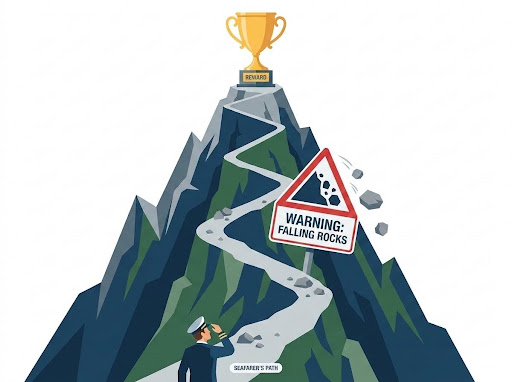
When Does a Loan Become Dangerous for Seafarers?

Loan Become Dangerous for Seafarers

A loan becomes dangerous when EMI is too high, emergency fund is weak, income gap is ignored, or the purchase is only for show-off. It also becomes risky when the loan is taken without understanding interest rate, tenure, processing fees, prepayment rules, and total repayment cost. A car loan for ego or a home loan for unclear property can create years of stress. If a loan reduces your freedom, savings, and family safety, it needs serious review.

Table of Contents

Should Seafarers Take a Home Loan?

Should Seafarers Take a Home Loan

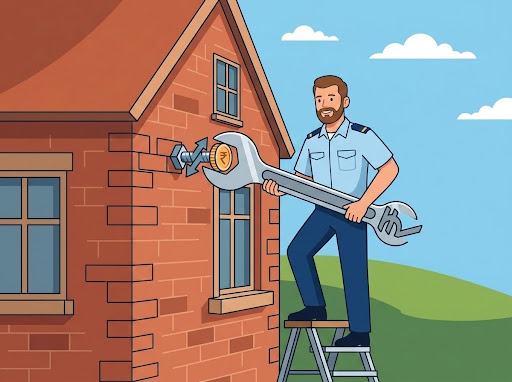
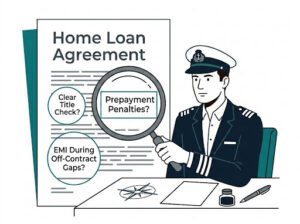
Seafarers can take a home loan if the property is useful, affordable, legally clear, and suitable for the family. A home loan should not be taken only because relatives or friends are buying property. Before taking it, check location, documents, builder reputation, resale demand, EMI, down payment, total interest, and other charges. RBI states that banks are not permitted to charge foreclosure charges or pre-payment penalties on floating-rate term loans sanctioned to individual borrowers. Still, always check current loan terms before signing.

When Can a Home Loan Be Useful for Seafarers?

Loan Be Useful for Seafarers

A home loan can be useful when it helps buy a property without breaking all savings. It can also help spread the cost over time. But this is useful only when the EMI is comfortable and the property is properly checked. The home should not become a financial prison. If EMI stops your emergency fund, insurance, investments, or family needs, the loan is too heavy. A useful home loan improves stability. A poorly planned home loan creates stress.

What Seafarers Should Check Before Taking a Home Loan

Check Before Taking a Home Loan

Before taking a home loan, seafarers should check property documents, builder approval, loan eligibility, interest rate, EMI, tenure, total repayment, processing charges, prepayment option, and insurance requirement. Also check whether the EMI is affordable during contract gaps. Do not take maximum loan only because the bank is ready. The bank checks from its side. You must check family needs, emergency fund, future education, parents’ expenses, travel, and career uncertainty. A home loan is long-term, so plan carefully.

Why Home Loan EMI Should Be Comfortable During Contract Gaps

Home Loan EMI Should Be Comfortable During Contract Gaps

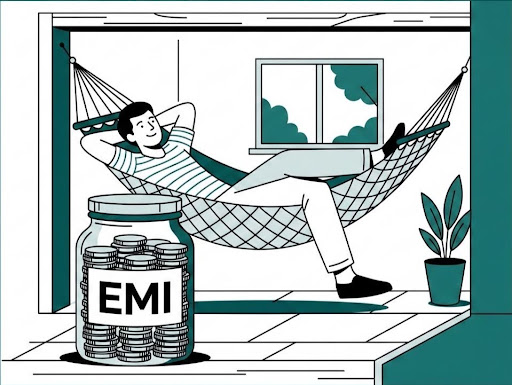
Home loan EMI may continue for 10, 15, 20, or more years. A seafarer’s contract may not be continuous every month. This is why EMI should remain comfortable even during sign-off. If EMI creates stress every time you are home, the loan amount may be too high. Keep enough buffer for off-contract months. A house should give peace, not pressure. If you feel forced to accept any ship only to pay EMI, the loan is controlling your life.

Should Seafarers Take a Car Loan?

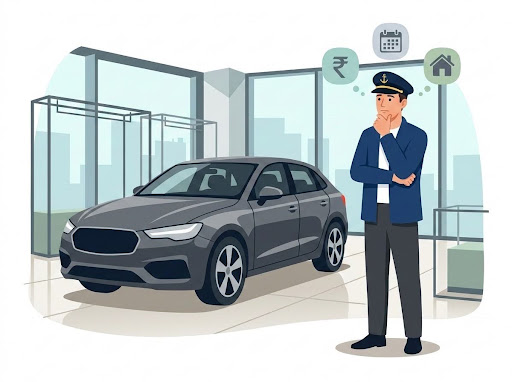
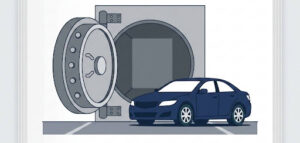
Seafarers can take a car loan if the car is genuinely needed and the EMI is comfortable. But a car should not be bought only because salary increased. A car is useful for family comfort, travel, and convenience, but it usually loses value over time. So, the decision should be practical. Do not buy a car only to impress others. Check car price, down payment, EMI, insurance, fuel, maintenance, resale value, and total cost before taking the loan.

Is a Car Loan Good or Bad for Seafarers?

Is a Car Loan Good or Bad

A car loan is not automatically good or bad. It depends on need, affordability, and planning. If a car improves family comfort and the EMI is small compared to income, it may be manageable. But if the car is bought for status, with a high EMI and low emergency fund, it can become a burden. A seafarer should not confuse affordability during contract with year-round affordability. The loan should fit the full financial life, not only the current salary.

Why a Car Is Usually Not a Wealth-Building Asset

Car Is Usually Not a Wealth-Building Asset

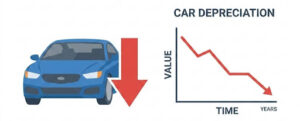
A car usually loses value over time. It also brings running costs like fuel, insurance, service, repairs, tyres, parking, and registration. Unlike a good property or investment, a car usually does not build wealth. This does not mean buying a car is wrong. It means the decision should be based on need, not ego. A seafarer should buy a car only after emergency fund, family protection, and basic investments are not disturbed.

Cash Payment vs Car Loan for Seafarers

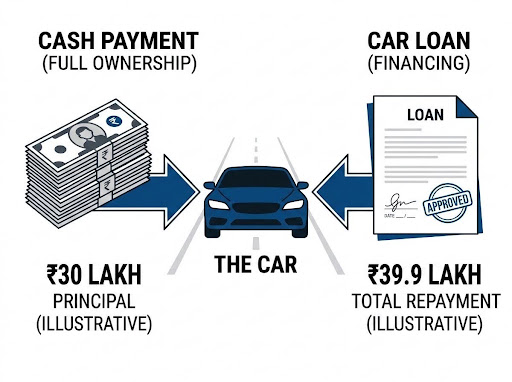
Cash payment can reduce debt, but it can also empty your savings. A car loan can preserve cash, but it adds EMI and interest cost. Suppose a seafarer has ₹30 lakh and wants a ₹30 lakh car. Paying full cash may leave less emergency buffer. Taking a loan may keep cash available, but total repayment may be higher. A simple example: ₹30 lakh at 6.5% for 7 years can grow to around ₹46.6 lakh, while a ₹30 lakh loan at 8.5% for 7 years may cost around ₹39.9 lakh in total repayment. This is only an illustration.

Why Seafarers Should Not Empty Their Bank Account for a Car

Why Seafarers Should Not Empty Their Bank Account for a Car

Seafarers should not empty their bank account only to avoid a loan. A full cash purchase can look safe, but if it destroys your emergency fund, it becomes risky. Medical needs, contract delays, travel expenses, document renewal, and family emergencies can come anytime. Before paying full cash, check how much money will remain after purchase. If your safety fund becomes weak, reconsider. A car should improve comfort, not reduce family security.

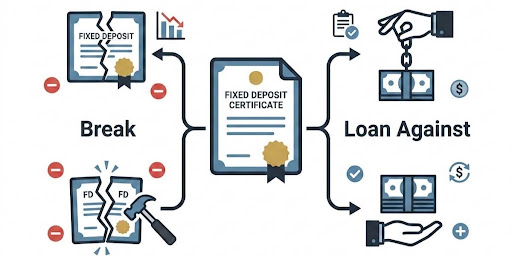
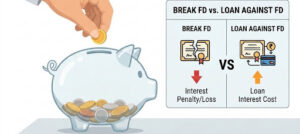
Loan Against FD vs Breaking FD for Seafarers

Many seafarers keep fixed deposits for safety. When sudden money is needed, they may break the FD immediately. But sometimes, a loan or overdraft against FD can be compared first. RBI states banks can levy penalty for premature withdrawal as per board-approved policy. SBI, for example, lists loan against time deposit as a demand loan or overdraft facility with lien on the underlying deposit. This does not mean loan against FD is always better. Compare before deciding.

When Can Loan Against FD Be Useful?

When Can Loan Against FD Be Useful

Loan against FD can be useful when money is needed temporarily and the seafarer does not want to break the deposit immediately. It may help for short-term needs like travel, medical expense, urgent payment, or temporary cash gap. But compare the FD interest rate, loan interest rate, margin, tenure, and repayment comfort. SBI’s YONO loan against FD page mentions online overdraft against FD with maximum up to 90% of FD value and interest linked to the underlying deposit rate. Always check your bank’s terms.

Why Breaking FD Without Comparing Options Can Be a Mistake

Why Breaking FD Without Comparing Options Can Be a Mistake

Breaking an FD without checking options can reduce interest or attract penalty. Sometimes, breaking is still the right decision. Sometimes, loan against FD may be better. The answer depends on amount needed, time needed, interest difference, penalty, tax, and urgency. A seafarer should not decide emotionally. Ask the bank for exact numbers. Compare premature withdrawal loss with loan against FD cost. A five-minute calculation can save money and protect your emergency planning.

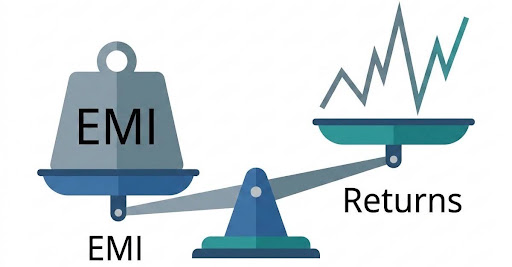
Why EMI Is Fixed but Investment Returns Are Not Fixed

EMI Is Fixed but Investment Returns Are Not Fixed

Loan EMI is fixed or clearly payable as per agreement, but investment returns are not guaranteed. Some people think they will take a loan and invest their own money for higher returns. This can be risky. Mutual funds and stocks can go up and down. AMFI’s official site describes mutual funds as investment products, and investors should understand related scheme and market risks before investing. A loan EMI is certain, but market return is uncertain. This difference must be respected.

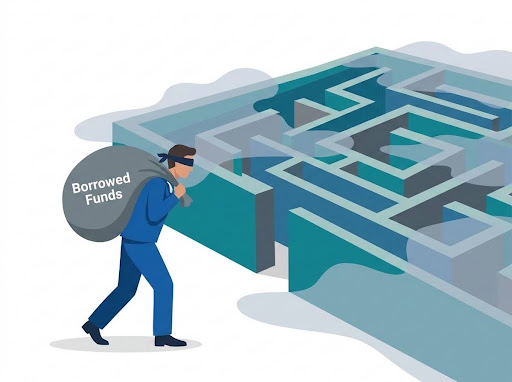
Why Seafarers Should Not Take Loans to Invest Blindly

Why Seafarers Should Not Take Loans to Invest Blindly

Taking loans to invest blindly can be dangerous. If the market falls, the investment value may reduce, but EMI will continue. This can create double pressure. A seafarer should never assume that mutual funds, stocks, trading, or property will surely beat loan interest. Returns are not guaranteed. Debt is real. EMI is real. Market risk is real. Invest only after learning and never use borrowed money for random tips, quick-profit dreams, or unplanned trading.

Why Higher Return Means Higher Risk

Higher return usually comes with higher risk. If someone says, “Take loan at 8% and earn 15% easily,” be careful. No one can guarantee market returns. Stocks, mutual funds, and business investments can go down or take time. Loans do not wait for your investment to perform. EMI must be paid every month. A seafarer should not compare fixed loan cost with uncertain return casually. Risk must be understood before using debt for any investment decision.

Smart Loan Rules for Seafarers

Smart loan rules are simple. First, check cash flow. Second, keep emergency fund safe. Third, check the real purpose of loan. Fourth, compare full cash payment, loan, and loan against FD. Fifth, calculate total repayment, not only EMI. Sixth, avoid loans for show-off. Seventh, keep family informed. Eighth, do not take maximum loan only because eligible. Ninth, ensure insurance and emergency money are ready. Tenth, choose loans that support your life, not control it.

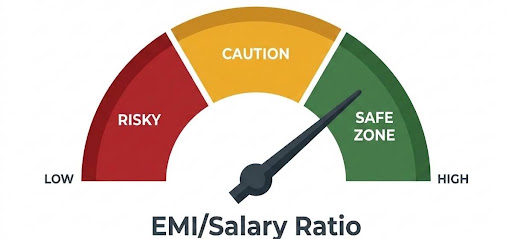
How Much EMI Is Safe for Seafarers?

There is no one fixed EMI percentage for every seafarer. A cadet, officer, married seafarer, senior rank, and person with loans will all have different comfort levels. But EMI should be safe enough to pay during off-contract months also. If total EMI stops you from saving, investing, paying insurance, or building emergency fund, it is too high. A good rule is to keep EMI low enough that your family life remains stable even if joining is delayed.

Why Emergency Fund Should Come Before Any Loan

Emergency fund should come before any loan because life is uncertain. Seafarers may face delayed joining, medical issues, travel needs, document renewal, exams, or family emergencies. If there is no emergency fund, EMI pressure can become dangerous. Do not take a big loan if your safety fund is weak. Emergency money should be safe and accessible. A loan decision is strong only when the family can survive without panic during income gaps.

Why Insurance Is Important Before Taking Big Loans

Insurance Is Important Before Taking Big Loans

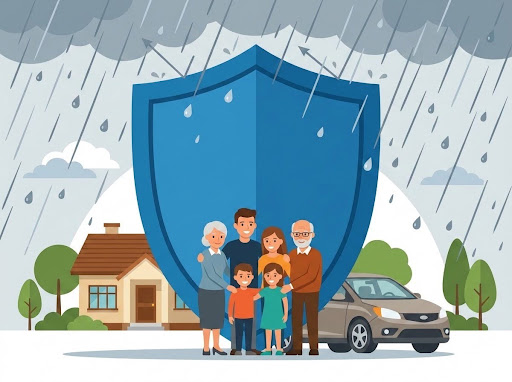
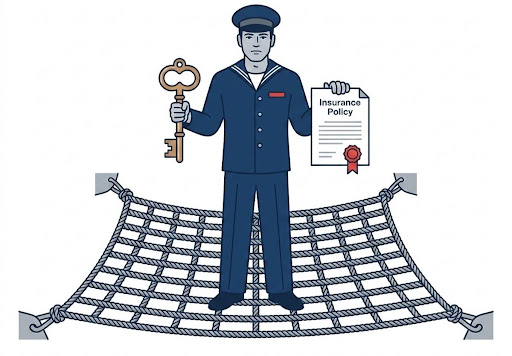
Insurance becomes important when a big loan is involved. If something unfortunate happens, the family should not be left with loan pressure. Medical insurance can protect against hospital bills. Term insurance can protect dependents if the seafarer is the main earner. A home loan without protection can become a burden for the family. Before taking a big loan, check whether your family is protected. Asset buying should not come before family security.

Why Seafarers Should Avoid Loans for Show-Off

Seafarers Should Avoid Loans for Show-Off

Loans taken for show-off can damage financial freedom. A luxury car, expensive bike, big phone, or lifestyle loan may look impressive for some time, but EMI continues after excitement ends. Many people buy things to prove success, not because they need them. A seafarer should avoid lifestyle competition. Your financial life is different from your friend’s. Do not copy someone’s car or house without knowing their savings, family support, debt, and income stability.

What Seafarers Should Do Before Taking a Loan

What Seafarers Should Do Before Taking a Loan

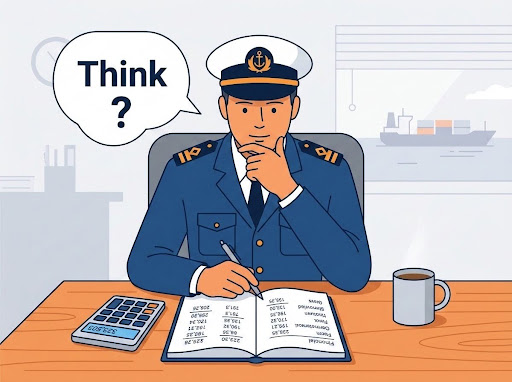
Before taking any loan, sit with your numbers. Check monthly EMI, annual income, contract gaps, family expenses, existing loans, insurance premium, emergency fund, and investments. Ask whether the loan supports a real need or only emotion. Compare interest rate, tenure, processing fee, prepayment rules, and total repayment. For home loans, check property documents. For car loans, check running cost. Do not sign only because approval is easy. Easy approval can still become difficult repayment.

Plan Your Loans Before They Plan Your Life

For seafarers, financial planning is not only about selecting one product. It is about understanding your goals, knowing the risks, protecting your future, and making disciplined financial decisions. Download Sailor Pro app – Built for Seafarers, an Initiative by Merchant Navy Decoded, to stay more organised and confident in your financial planning. You can also follow finance_for_seafarers on Instagram and join the WhatsApp channel Financial Management for Seafarer for practical money guidance created especially for seafarers.

Frequently Asked Questions (FAQs)

Seafarers can take a home loan if the property is useful, legal, affordable, and EMI is comfortable during contract gaps.

Seafarers can take a car loan if the car is genuinely needed and EMI does not disturb emergency fund, insurance, or investments.

A loan is not automatically good or bad. It depends on purpose, EMI comfort, emergency fund, income pattern, and planning.

EMI should be low enough to manage during off-contract months without stopping family expenses, savings, insurance, or emergency fund.

It depends on cash flow. Full cash payment reduces debt but can weaken emergency fund. Loan preserves cash but adds EMI and interest cost.

Compare both. Check FD penalty, loan against FD interest, tenure, urgency, tax impact, and repayment comfort before deciding.

Sometimes yes, sometimes no. It depends on the cost of borrowing against FD compared with the loss from premature FD withdrawal.

Generally, seafarers should avoid taking loans to invest blindly because loan EMI is fixed but market returns are not guaranteed.

An emergency fund protects the family during contract gaps, medical needs, travel, delayed joining, and sudden expenses while EMI continues.

Check purpose, EMI, interest rate, total repayment, tenure, charges, prepayment rules, emergency fund, insurance, and income gaps.

Disclaimer :- The opinions expressed in this article belong solely to the author and may not necessarily reflect those of Merchant Navy Decoded. We cannot guarantee the accuracy of the information provided and disclaim any responsibility for it. Data and visuals used are sourced from publicly available information and may not be authenticated by any regulatory body. Reviews and comments appearing on our blogs represent the opinions of individuals and do not necessarily reflect the views of Merchant Navy Decoded. We are not responsible for any loss or damage resulting from reliance on these reviews or comments.

Reproduction, copying, sharing, or use of the article or images in any form is strictly prohibited without prior permission from both the author and Merchant Navy Decoded.

DIWALI SALE

Decoded Discount Alert! up to 50% OFF

DIWALI SALE

Decoded Discount Alert! up to 50% OFF

Use Coupon Code Deep50

Days
Hours
Seconds
0
Would love your thoughts, please comment.x
()
x