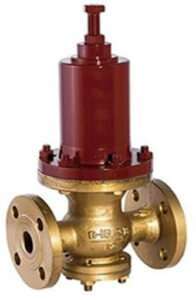
The engine room of a modern vessel is a complex network of high-pressure fluids, extreme temperatures, and relentless mechanical energy. From the massive forces required to turn a steering gear to the precise delivery of fuel to a main engine, fluids serve as the literal lifeblood of maritime operations. However, managing this immense power requires absolute control.
Pressure control valves are the precision-engineered components which limit, and stabilize fluid pressure, ensuring that demanding marine systems run safely and efficiently,critical safety and operational barriers that prevent system overload, protect expensive equipment, and ensure safe marine operations.
Function of Pressure Control Valves
Limiting maximum system pressure at a safe level.
Regulating/reducing pressure in certain portions of the circuit.
Unloading system pressure.
Assisting sequential operation of actuators in a circuit with pressure control.
Any other pressure-related function by virtue of pressure control.
Reducing or stepping down pressure levels from the main circuit to a lower pressure in a sub-circuit.
Table of Contents
Types of Pressure Control Valves used in Marine System
Not all pressure issues are solved the same way. Depending on whether a system needs to drop pressure, dump pressure, or hold pressure, a specific type of valve is required.
Pressure-relief valve.
Pressure-reducing valve.
Back Pressure Valve
Unloading valve.
Counterbalance valve
Pressure-sequence valve.
Brake valve.
1. Pressure Relief Valves (PRVs)
The primary line of defense in any fluid system. The sole mission of a pressure relief valve is protection. When system pressure spikes past safe limits, the PRV opens to release the excess fluid, venting it safely back to a return tank or an atmospheric drain, protecting pipelines and expensive machinery from bursting.
The pressure can rise in a hydraulic system if:
the flow rate from the pump is larger than the flow rate through the actuator
the volume of a closed system is reduced.
the load of the actuator rises.
heat is introduced into a closed system.
2. Pressure Reducing Valves (PRVs / Regulators)
Often confused with relief valves, reducing valves serve the opposite purpose. They take a high, fluctuating inlet pressure and step it down to a lower, highly stable outlet pressure. For example, a high-pressure air compressor might fill a receiver to 30 bar, but the pneumatic control instruments only require 7 bar. A pressure reducing valve bridges that gap safely.
This type of valve is used to maintain reduced pressures in specified locations of hydraulic systems. It is actuated by downstream pressure and tends to close as this pressure reaches the valve setting.
A pressure-reducing valve uses a spring arrangement to control the downstream pressure. If downstream pressure is below the valve setting, the fluid flows freely from the inlet to the outlet.
When the outlet pressure increases to the valve setting, it moves to the right to partially block the outlet port. Just enough flow is passed to the outlet to maintain its preset pressure level.
3. Back Pressure Valves
While relief valves protect the downstream side, back pressure valves are designed to maintain a required upstream pressure to keep a system balanced. They remain closed until the pressure behind them reaches a specific threshold, ensuring that upstream components always have the minimum pressure they need to function.
4.Unloading valve
Unloading valves are pressure-control devices that are used to dump excess fluid to the tank at little or no pressure.
common application is in high-low pump circuits where two pumps move an actuator at high speed and low pressure. The circuit then shifts to a single pump providing a high pressure to perform work.
Another application is sending excess flow from the cap end of an oversize-rod cylinder to the tank as the cylinder retracts.
This makes it possible to use a smaller, less-expensive directional control valve while keeping pressure drop low.
5.Counter Balance Valve
These normally closed valves are primarily used to maintain a back pressure on a vertical cylinder to prevent it from falling due to gravity.
They are used to prevent a load from accelerating uncontrollably. This situation can occur in vertical cylinders in which the load is a weight.
This can damage the load or even the cylinder itself when the load is stopped quickly at the end of the travel.
This situation can occur in vertical cylinders in which the load is a weight. This can damage the load or even the cylinder itself when the load isstopped quickly at the end of the travel. valve’s primary port is connected to the cylinder’s rod end and the secondary port to the directional control valve. The pressure setting is slightly higher than that required to keep the load from free-falling.
When the pressurized fluid flows to the cylinder’s cap end, the cylinder extends, increasing pressure in the rod end and shifting the main spool in the counterbalance valve. This creates a path that permits the fluid to flow through the secondary port via the directional control valve and to the reservoir. As the load is raised, the integral check valve opens to allow the cylinder to retract freely.
6.Pressure Sequence valve
A sequence valve is a pressure-control valve that is used to force two actuators to operate in sequence.
Instead of sending flow back to the tank, a sequence valve allows flow to a branch circuit, when a preset pressure is reached.
The check valve allows the sequence valve to be bypassed in the reverse direction.
The component enclosure line indicates that the check valve is an integral part of the component. The sequence valve has an external drain line; therefore, a line must be connected from the sequence valve’s drain port to the tank.
Ensures that sensitive automation and mechanical systems receive the exact fluid dynamics they require to operate at peak efficiency.
Reduces the risk of high-pressure oil mist fires, steam scalds, or chemical leaks, protecting the ship’s crew.
These valves reduce fatigue on pumps, pipelines, and structural welds.
Less wear and tear means fewer dry-dock repairs, lower spare parts consumption, and a much healthier bottom line for ship owners.
Applications in Engine room
Main and Auxiliary Engines
In the heart of the ship, pressure control valves regulate the heavy fuel oil (HFO) or marine gas oil (MGO) feeding the massive cylinders. They also stabilize the lubrication oil systems, ensuring that crankshaft bearings never lose the vital oil film that prevents metal-on-metal friction.
Cooling Water and Fluids Management
From seawater circulation pumps cooling the main engines to ballast and bilge pipelines managing the ship’s stability, PCVs keep flow pressures uniform. They prevent high-capacity pumps from overwhelming pipe networks and ensure consistent heat exchange rates.
Offshore Hydraulic Circuits & Automation
On offshore drilling rigs and production platforms, specialized hydraulic circuits operate critical safety equipment like Blowout Preventers (BOPs) and subsea valves. Here, ultra-precise pressure control valves are integrated into automated systems where a failure is simply not an option.
Conclusion
For marine engineers, understanding these valves is not just about knowing their names, but about knowing where they are used, how they work, and why they are important during real shipboard operations. Proper selection, regular maintenance, and correct setting of pressure control valves help protect expensive machinery, improve system reliability, reduce downtime, and ensure the safety of the vessel and crew. In short, pressure control valves are small components with a major responsibility in the smooth and safe operation of modern marine systems.
Disclaimer :- The opinions expressed in this article belong solely to the author and may not necessarily reflect those of Merchant Navy Decoded. We cannot guarantee the accuracy of the information provided and disclaim any responsibility for it. Data and visuals used are sourced from publicly available information and may not be authenticated by any regulatory body. Reviews and comments appearing on our blogs represent the opinions of individuals and do not necessarily reflect the views of Merchant Navy Decoded. We are not responsible for any loss or damage resulting from reliance on these reviews or comments.
Reproduction, copying, sharing, or use of the article or images in any form is strictly prohibited without prior permission from both the author and Merchant Navy Decoded.