Hi this is Team Merchant Navy Decoded !!!
Please fill the below form with your query and we will get back to you in next 12 hours.
Rest assured your data is safe with us !!!🙂
Ask Your Query| For Beginner | For Professional |
|---|---|
| GME | Engine Side |
| G.P. Rating | Deck Side |
| ETO | G.P. Rating |
| IMUCET & Sponsorship | Combo Offers |
| Free Course | MEO |
| Free Course |
| For Beginner | For Professional |
|---|---|
| GME | Engine Side |
| G.P. Rating | Deck Side |
| ETO | G.P. Rating |
| IMUCET & Sponsorship | Combo Offers |
| Free Course | MEO |
| Free Course |
Many seafarers earn a good salary during their contract, but still struggle to build long-term wealth. In most cases, the problem is not income. The real problem is habit. Even a high salary can disappear quickly when there is no plan, no discipline, and no control over spending. For seafarers, money management is even more important because sea income may come during contracts, while expenses continue throughout the year. Wealth is not built only by earning more. Wealth is built by saving, investing, protecting, and spending with discipline.
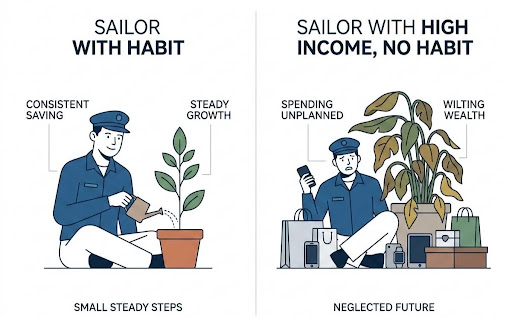
Many seafarers earn well during sailing months, but their money slowly goes into shopping, gadgets, parties, lifestyle upgrades, EMIs, and random expenses. These expenses may not look big at first. One phone, one bike, one party, one unnecessary loan, or one random investment tip may feel small. But over time, small careless decisions can destroy future wealth. Many sailors spend first and invest whatever is left. Usually, nothing is left. This habit must change.
A high salary is helpful, but it does not automatically create wealth. Wealth is created when income is converted into assets. If a seafarer earns well but spends everything, there is no real progress. Salary can stop during contract gaps, medical issues, career breaks, or shore transition. Assets can support you when income slows down. A smart seafarer does not only ask, “How much am I earning?” He also asks, “How much am I keeping, investing, and protecting?”
Money habits decide your financial future. A person earning less but saving regularly can become stronger than a person earning more but spending carelessly. Good habits include investing first, controlling EMIs, avoiding random trading, keeping emergency money, and protecting family with insurance. Bad habits include spending without plan, copying others, taking loans for lifestyle, and using tax savings for luxury. For seafarers, discipline matters because income is not always regular like a shore job. Habits build wealth slowly.
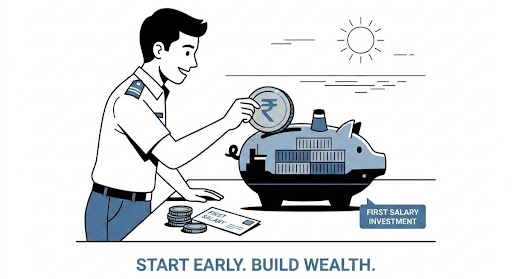
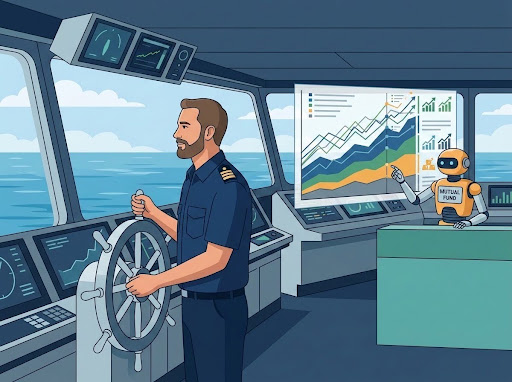
The best time to start investing is early. A young seafarer should not wait for a very big salary. Even a small SIP or regular investment can build discipline. The first goal is not to become rich immediately. The first goal is to develop the habit of investing before spending. SEBI explains that open-ended funds pool money from multiple investors and create a diversified portfolio managed by a fund manager. This can make investing more organised than random stock picking.
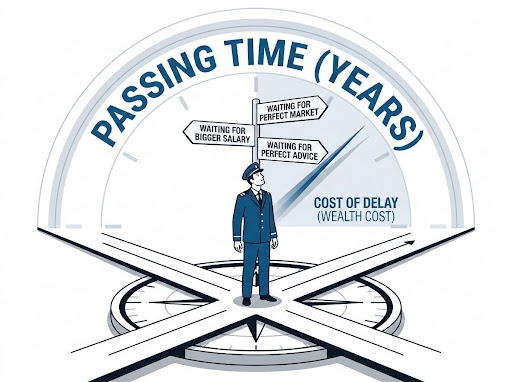
Many seafarers wait for the perfect time to invest. They wait for a bigger salary, perfect market, perfect fund, or perfect advice. This waiting can delay wealth building for years. No one gets full knowledge on day one. Start small, learn slowly, and improve with time. A beginner should not put big money blindly, but also should not delay basic financial discipline. Small regular steps taken early can be more powerful than big emotional decisions taken later.

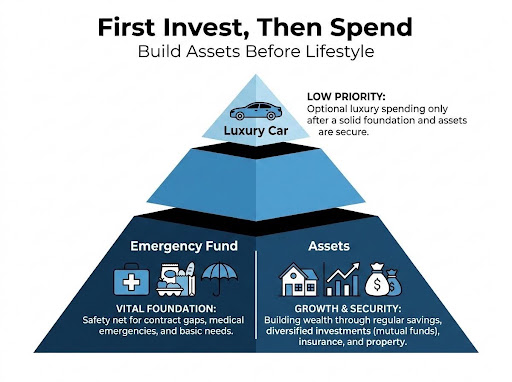
The golden rule is simple: first invest, then spend. Most people do the opposite. Salary comes in, then shopping, parties, EMIs, online orders, and lifestyle expenses take over. By the end, nothing is left. A better system is: salary comes in, then emergency fund, SIP or investment, family needs, and then personal spending. This simple order can change a seafarer’s financial life. Your future should get paid before your lifestyle gets paid.

Spending first looks harmless, but it slowly destroys financial growth. When a seafarer spends first, investments depend on whatever remains. But expenses always find a way to increase. Lifestyle expands with salary. More income leads to more shopping, bigger EMIs, better gadgets, and higher expectations. If there is no fixed investing habit, salary disappears quickly. Spending should be planned after savings and investments. Money should follow a system, not mood, pressure, or excitement.
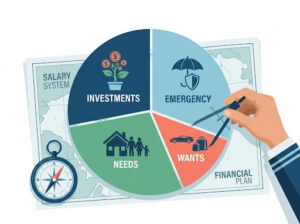
A salary system means dividing income before spending. A seafarer can divide salary into emergency fund, insurance, investments, family expenses, personal spending, and long-term goals. This system gives control. It also reduces guilt because spending is allowed after important goals are covered. The exact percentage can differ from person to person. A cadet, officer, married seafarer, or senior rank may have different responsibilities. The important point is not the percentage. The important point is discipline.
Some seafarers may legally get tax advantages depending on residential status, salary structure, income source, and applicable rules. But saved tax should not become extra lifestyle money. It should become saved wealth. The Income Tax Department explains that residential status is important for deciding taxability, and for non-residents, income accruing or arising outside India is generally not taxable in India. Seafarers should always check their own tax position with a qualified professional before assuming any benefit.

If a seafarer legally saves tax, that money should be treated seriously. Do not spend it only on luxury, parties, gadgets, or random purchases. A better approach is to imagine that tax was already paid and invest the saved amount. This can build emergency funds, mutual funds, insurance support, retirement savings, or other assets. Saved tax can become a powerful wealth-building tool if used properly. Saved tax should become saved wealth, not lifestyle inflation.
Many seafarers get attracted to stock picking because it looks exciting. But direct stock investing needs time, research, emotional control, and company understanding. A seafarer’s main job is to sail safely, grow in rank, support family, and build financial security. If investing is not your full-time work, do not behave like a full-time trader. Mutual funds may be easier for beginners because SEBI describes benefits like diversification, professional management, and ease of access.
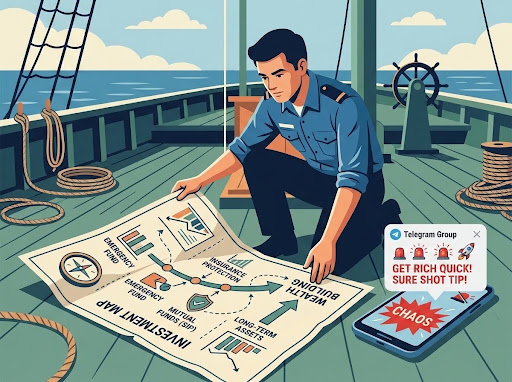
Random trading can destroy hard-earned sea salary. Many people show profits online, but they do not show losses, stress, margin calls, or emotional pressure. Trading from tips, reels, or Telegram groups is dangerous. A seafarer may be onboard and unable to track markets properly. This can create panic and bad decisions. Investing is different from gambling. Investing is planned, patient, and goal-based. Trading without knowledge is emotional, fast, and risky.

Quick-profit dreams are dangerous because they make people forget risk. Words like “sure shot,” “double money,” “100x,” and “multibagger” can create greed. A seafarer may think, “Let me put some money and try.” Slowly, this habit can become risky. Sea salary is earned with sacrifice. It should not be risked casually because of screenshots or success stories. Real wealth is usually built through discipline, time, planning, and patience, not through random shortcuts.
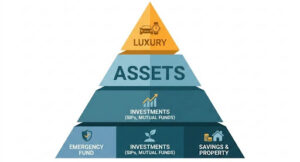
Luxury is not bad. A good phone, car, travel, house, and better lifestyle can be enjoyed. But timing matters. If luxury comes before assets, it can create EMIs, credit card dues, loan pressure, and financial stress. If assets come first, luxury becomes easier and less stressful. A seafarer should build emergency money, insurance, investments, and useful assets before upgrading lifestyle too much. The goal is not to avoid enjoyment. The goal is to enjoy without pressure.

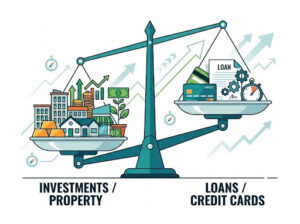
Assets support your future. Liabilities take money out of your pocket. Assets may include emergency fund, investments, insurance protection, fixed deposits, mutual funds, property, business assets, or retirement savings. Liabilities may include loans, EMIs, credit card dues, and lifestyle expenses. Not every loan is bad, but unnecessary loans can reduce freedom. A smart seafarer tries to increase assets and control liabilities. Wealth begins when assets grow faster than lifestyle pressure.
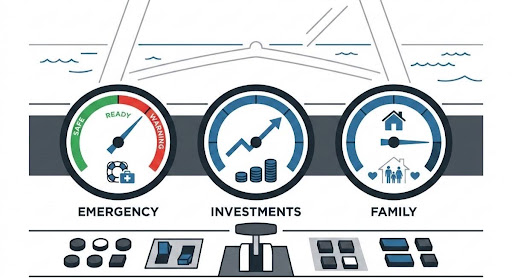
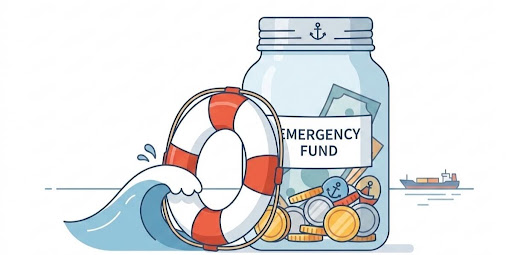
Before chasing big returns, every seafarer should build an emergency fund. This fund helps during delayed joining, medical needs, family emergencies, travel problems, or contract gaps. Emergency money should be safe and easy to access. It should not be used for trading, risky stocks, business experiments, or luxury spending. Without an emergency fund, even a good investment plan can break during a crisis. Protect the base first. Growth can come later.

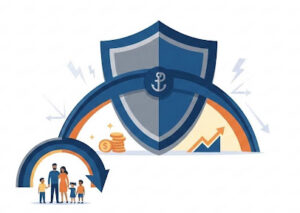
Insurance protects the family from sudden financial shocks. Medical insurance can help during hospital expenses. Term insurance can support dependents if something unfortunate happens. Many seafarers focus on investments but ignore protection. This is risky. Wealth building should start with safety. If your family depends on your income, insurance should be understood properly. Investments grow your money, but insurance protects your family. A strong financial plan needs both protection and growth.
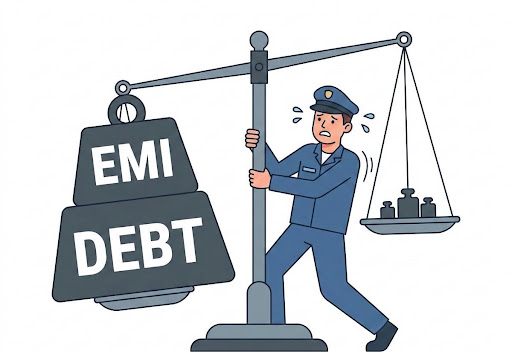
EMIs can silently control your life. A phone EMI, bike EMI, car loan, credit card payment, personal loan, or home loan can reduce freedom. During contract, EMI may look manageable. During sign-off or delayed joining, it can create pressure. A seafarer should not take loans only because salary is good. Before taking EMI, ask whether it supports your future or only satisfies lifestyle. Too many EMIs can turn a high salary into financial stress.

Lifestyle upgrades should come after assets. First build emergency money. Then protect family with insurance. Then start regular investments. Then plan long-term goals. After this, enjoy lifestyle with confidence. Many seafarers reverse this order. They upgrade lifestyle first and think about investments later. This creates pressure. A smart seafarer uses salary to build assets first. Once assets become strong, lifestyle becomes easier, safer, and more enjoyable. Wealth is built by priority, not only by income.
A simple money system can help every seafarer. First, keep emergency money. Second, take proper insurance. Third, start regular investments. Fourth, avoid random trading. Fifth, control lifestyle spending. Sixth, build assets before luxury. This system does not need complicated knowledge. It needs discipline. You do not need to become rich overnight. You need to become consistent. Small steps taken regularly can create better results than big financial decisions taken emotionally.

Seafarers can divide salary based on purpose. One part for emergency fund. One part for family expenses. One part for insurance and protection. One part for SIP or investments. One part for long-term goals. One part for personal spending. The exact amount depends on rank, family responsibility, loans, and goals. But every seafarer should create a clear system. Do not let the full salary sit in one account and disappear slowly through unplanned spending.
Common mistakes include spending first and investing later, taking unnecessary EMIs, trading from tips, using tax savings for luxury, keeping no emergency fund, ignoring insurance, and putting all money into one asset. Another mistake is investing without understanding risk. AMFI clearly states that mutual fund schemes are not guaranteed or assured return products and can involve risks, including possible loss of principal. This is why seafarers should learn before investing.

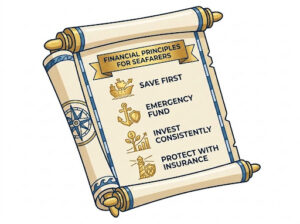
The golden rules are simple. Invest first, then spend. Build emergency fund before risky investments. Take insurance before big dreams. Avoid random trading. Do not waste tax savings. Build assets before luxury. Control EMIs. Do not copy others blindly. Learn before investing. Review your money regularly. These rules may sound basic, but they can change financial life. Wealth is not created by one big decision. Wealth is created by repeating good decisions for many years.
Seafarers earn with hard work, sacrifice, and distance from family. That money deserves respect. Do not let random spending, trading tips, EMI pressure, or luxury habits control your future. Start investing from your first salary. Invest first, then spend. Use legal tax advantages wisely. Avoid random trading. Build emergency fund, insurance, and assets before luxury. A high salary is powerful only when habits are strong. Wealth starts with discipline, not only income.
For seafarers, financial planning is not only about selecting one product. It is about understanding your goals, knowing the risks, protecting your future, and making disciplined financial decisions. Download Sailor Pro app – Built for Seafarers, an Initiative by Merchant Navy Decoded, to stay more organised and confident in your financial planning. You can also follow finance_for_seafarers on Instagram and join the WhatsApp channel Financial Management for Seafarer for practical money guidance created especially for seafarers.
Seafarers can build wealth by investing first, controlling expenses, avoiding unnecessary EMIs, building emergency funds, taking insurance, and creating assets.
Many seafarers spend first and invest later. Lifestyle upgrades, EMIs, shopping, and random expenses can reduce savings quickly.
Yes. Investing before spending creates discipline. Salary should first go toward savings, investments, emergency fund, and then lifestyle expenses.
Starting early builds habit and gives more time for money to grow. Even a small amount can create discipline.
No. If a seafarer legally saves tax, that amount should ideally be saved or invested instead of being used for lifestyle spending.
Yes. Random trading, tips, F&O, leverage, and quick-profit dreams can be risky, especially when seafarers cannot track markets regularly.
An emergency fund protects the family during contract gaps, medical needs, travel issues, delayed joining, and sudden expenses.
Seafarers can build emergency savings, insurance protection, fixed deposits, mutual funds, property, retirement savings, and other suitable assets.
Seafarers can control lifestyle expenses by setting a monthly spending limit, avoiding unnecessary EMIs, and investing before spending.
The best rule is simple: first invest, then spend. This habit can protect salary and build long-term wealth.
Disclaimer :- The opinions expressed in this article belong solely to the author and may not necessarily reflect those of Merchant Navy Decoded. We cannot guarantee the accuracy of the information provided and disclaim any responsibility for it. Data and visuals used are sourced from publicly available information and may not be authenticated by any regulatory body. Reviews and comments appearing on our blogs represent the opinions of individuals and do not necessarily reflect the views of Merchant Navy Decoded. We are not responsible for any loss or damage resulting from reliance on these reviews or comments.
Reproduction, copying, sharing, or use of the article or images in any form is strictly prohibited without prior permission from both the author and Merchant Navy Decoded.
Decoded Discount Alert! up to 50% OFF
Use Coupon Code Deep50