Hi this is Team Merchant Navy Decoded !!!

Please fill the below form with your query and we will get back to you in next 12 hours.

Rest assured your data is safe with us !!!🙂

Ask Your Query

Fuel Quality Setting in ME Engine

Fuel Quality Setting in ME Engine

The fuel system of a modern marine ME (electronically controlled) engine is designed to deliver the correct quantity of fuel at the required pressure and timing. Unlike older mechanically controlled engines, an ME engine uses an electronic control system to regulate fuel injection and exhaust valve operation.

One important aspect of maintaining efficient combustion is fuel quality setting. The setting allows the engine control system to compensate for variations in fuel quality, particularly differences in ignition and combustion characteristics. Correct adjustment helps maintain stable combustion, reduce after burning and protect engine components.

What Is Fuel Quality Setting?

Fuel quality setting is an adjustment used in an ME engine’s electronic control system to account for the ignition and combustion characteristics of the fuel being used.

Marine fuels can differ considerably depending on their origin, refining process and grade. Two fuels with similar viscosity may have different ignition qualities. A poor quality fuel may have a longer ignition delay, causing combustion to occur later than expected.

The fuel quality setting helps the engine’s control system compensate for these differences and maintain suitable combustion conditions.

Why Is Fuel Quality Setting Important?

Fuel Quality Setting Important

Fuel quality has a direct effect on combustion and engine performance. Incorrect fuel quality adjustment can result in poor combustion and increased thermal loading.

The main benefits of correct fuel quality setting include:

  • Improved combustion stability
  • Better engine performance
  • Reduced risk of excessive exhaust temperatures
  • Reduced after burning and late combustion
  • Protection of exhaust valves and piston components
  • Better fuel economy
  • Stable operation during changes in fuel quality

It is important to understand that fuel quality setting does not improve the physical quality of the fuel. Instead, it allows the engine’s control system to respond appropriately to the characteristics of the fuel being supplied.

Table of Contents

Fuel Quality and Ignition Characteristics

The ignition quality of marine fuel is an important factor in combustion. A fuel with poor ignition quality may have a longer ignition delay after injection.

A commonly used indicator of ignition quality for residual marine fuels is the Calculated Carbon Aromaticity Index (CCAI). In general, a higher CCAI indicates poorer ignition quality.

However, CCAI should not be treated as the only factor determining actual combustion behaviour. The engine’s operating condition, fuel temperature, injection conditions and other fuel properties also influence combustion.

How Fuel Quality Setting Works in an ME Engine

In an electronically controlled ME engine, the engine control system receives information about operating conditions and controls fuel injection accordingly.

The fuel quality setting provides an input related to the expected ignition quality of the fuel. Depending on the engine’s control system and software configuration, the setting influences the control strategy used for fuel injection.

When fuel with poorer ignition characteristics is being used, the appropriate setting can help compensate for the longer ignition delay. The objective is to achieve combustion closer to the desired timing and avoid excessive late burning.

The exact method of adjustment varies according to the engine manufacturer, engine model and control system version. Therefore, the engine manufacturer’s instruction manual and approved operating procedures must always be followed.

How to Set Fuel Quality in an ME Engine

The fuel quality setting should be adjusted only according to the engine manufacturer’s specified procedure. The actual method can vary depending on the ME engine model, electronic control system and software version.

A general approach is:

  1. Check the fuel analysis: Review the bunker delivery note and laboratory analysis, particularly the fuel’s ignition quality indicators such as CCAI where applicable.
  2. Check the engine condition: Before changing the setting, verify exhaust gas temperatures, engine load, fuel injection indications and other relevant parameters.
  3. Refer to the manufacturer’s recommended setting: Use the engine instruction manual or approved technical documentation to determine the appropriate fuel quality setting for the fuel being used.
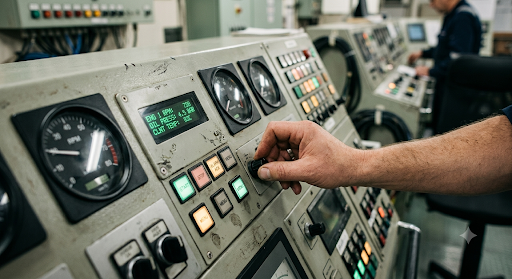
  4. Enter the approved value: The setting is normally entered through the engine’s electronic control or operator interface by authorised personnel. The exact menu and parameter name depend on the control system.
  5. Record the change: Note the original value, new value, date, fuel grade and supporting fuel analysis information in the engine records.
  6. Monitor the engine: After adjustment, observe individual cylinder exhaust temperatures, combustion behaviour, engine load, turbocharger performance and alarms. Any abnormal trend should be investigated.

The setting should not be adjusted simply to correct an abnormal exhaust temperature or other symptom without proper troubleshooting. Problems such as faulty fuel injectors, exhaust valve leakage, poor fuel treatment or incorrect cylinder lubrication can produce similar symptoms.

Important: There is no single universal fuel quality setting value for all ME engines. The correct value and adjustment procedure must always be taken from the specific engine manufacturer’s manual and the vessel’s approved operating procedures.

When Is Fuel Quality Setting Checked or Adjusted?

Fuel quality setting may need attention when there is a significant change in fuel characteristics or when abnormal combustion behaviour is observed.

Situations may include:

  • Changeover to a different fuel grade
  • Bunkering fuel from a different supplier or source
  • Significant variation in laboratory fuel analysis results
  • Unusual exhaust temperatures
  • Poor combustion indications
  • Increased smoke or deposits
  • Changes in engine operating behaviour

The setting should not be changed randomly whenever fuel is changed. The fuel analysis report, engine manufacturer’s recommendations and actual engine operating parameters should be considered before making any adjustment.

Parameters to Monitor

After any approved adjustment, engine performance should be carefully monitored. Important parameters include:

  • Exhaust gas temperatures of individual cylinders
  • Fuel injection pressure and related indications
  • Engine load and speed
  • Scavenge air pressure and temperature
  • Cylinder lubrication condition
  • Turbocharger performance
  • Smoke and combustion behaviour
  • Alarm and monitoring system indications

Individual cylinder exhaust temperature trends are particularly useful because abnormal combustion in one cylinder can sometimes be identified through comparison with the other cylinders.

Problems Caused by Incorrect Setting

An inappropriate fuel quality setting can contribute to poor combustion. Depending on the fuel and operating condition, possible symptoms include increased exhaust temperature, unstable combustion, excessive smoke, deposits and increased thermal loading.

However, these symptoms do not automatically mean that the fuel quality setting is incorrect. Similar indications can result from faulty fuel injectors, exhaust valves, incorrect cylinder lubrication, turbocharger problems, poor fuel treatment or other engine faults.

Therefore, proper troubleshooting should be carried out before changing the setting.

Role of Fuel Testing and Bunkering

Role of Fuel Testing and Bunkering

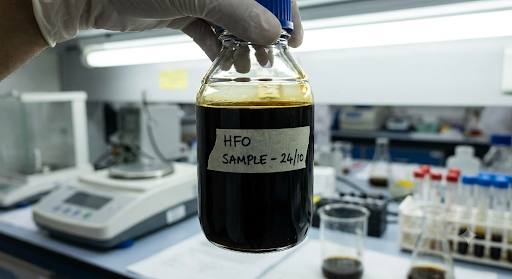
Fuel quality setting should be considered together with proper fuel management. A representative bunker sample and laboratory analysis provide important information about the characteristics of the fuel.

Before using a new fuel, engineers should review the available fuel analysis and ensure that the fuel is properly stored, purified and heated according to the required specifications.

Correct fuel treatment is particularly important for removing water and contaminants and ensuring suitable fuel reaches the engine.

Safety and Maintenance Precautions

Fuel quality adjustment is an engine control parameter and should be handled carefully. Engineers should:

  • Follow the manufacturer’s operating manual
  • Record the original setting before making an approved change
  • Use verified fuel analysis data
  • Never change settings without proper authorisation
  • Monitor engine parameters after adjustment.
  • Investigate other possible causes of abnormal combustion
  • Maintain accurate records in the planned maintenance system
  • Consult the manufacturer or technical department when required

Conclusion

Fuel quality setting in an ME engine is an important part of managing different fuel ignition characteristics. It helps the electronic control system maintain suitable combustion when fuel quality varies. Correct setting, combined with proper fuel treatment, accurate fuel analysis and continuous monitoring of engine parameters, supports reliable and efficient engine operation.

The setting should always be made according to the specific ME engine manufacturer’s instructions because the adjustment procedure and control logic can vary between engine models and software versions.

Frequently Asked Questions (FAQs)

It is a control system adjustment used to account for differences in fuel ignition and combustion characteristics.


CCAI or Calculated Carbon Aromaticity Index, is an indicator commonly used to estimate the ignition quality of residual marine fuel.

No. It only helps the engine control system compensate for differences in the fuel’s combustion characteristics.

It may be checked when changing to significantly different fuel or when abnormal combustion behaviour is observed, following the manufacturer’s procedures.

Disclaimer :- The opinions expressed in this article belong solely to the author and may not necessarily reflect those of Merchant Navy Decoded. We cannot guarantee the accuracy of the information provided and disclaim any responsibility for it. Data and visuals used are sourced from publicly available information and may not be authenticated by any regulatory body. Reviews and comments appearing on our blogs represent the opinions of individuals and do not necessarily reflect the views of Merchant Navy Decoded. We are not responsible for any loss or damage resulting from reliance on these reviews or comments.

Reproduction, copying, sharing, or use of the article or images in any form is strictly prohibited without prior permission from both the author and Merchant Navy Decoded.

DIWALI SALE

Decoded Discount Alert! up to 50% OFF

DIWALI SALE

Decoded Discount Alert! up to 50% OFF

Use Coupon Code Deep50

Days
Hours
Seconds
0
Would love your thoughts, please comment.x
()
x