Hi this is Team Merchant Navy Decoded !!!

Please fill the below form with your query and we will get back to you in next 12 hours.

Rest assured your data is safe with us !!!🙂

Ask Your Query

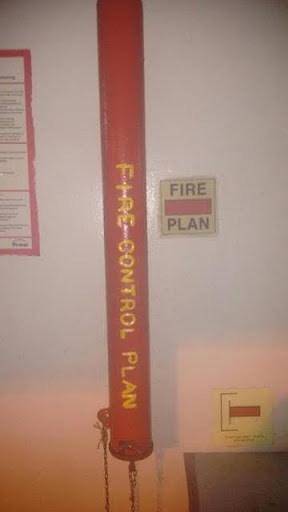
Fire Control Plan

Fire Control Plan

Fire is one of the most dangerous emergencies that can happen on a ship. A vessel carries various fuels, oils, electric equipment, cargo, and other combustible objects. Moreover, the limited number of exits and the far distance from external assistance require a rapid and efficient response.

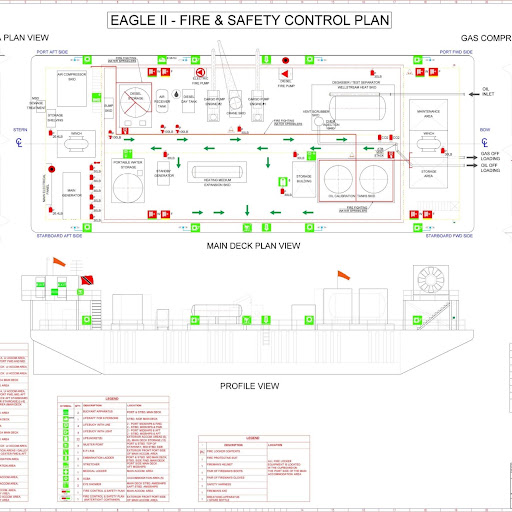
A Fire Control Plan is one of the most essential documents on board any ship. It contains all of the information about the ship’s firefighting organization, equipment, detection systems and means, exits, fire control stations and fire zones. In other words, it describes everything that can be used to fight fires and help the crew deal with emergencies.

Purpose of the Fire Control Plan

Purpose of the Fire Control Plan

The main purpose of the Fire Control Plan is to provide a quick reference for the crew, emergency response teams and shore-based personnel. It shows where important fire fighting equipment and systems are located throughout the vessel.

The plan helps the crew to:

  • Identify the location of fire extinguishers, fire hydrants and fire hoses
  • Locate fire detection and alarm systems
  • Identify fire control stations and emergency equipment
  • Understand the division of the ship into fire zones
  • Locate emergency escape routes and exits
  • Identify watertight and fire-resisting doors
  • Find fixed fire extinguishing systems
  • Understand the arrangement of ventilation and fire dampers
  • Assist shore based fire fighting personnel in understanding the vessel’s layout

Information Shown on the Fire Control Plan

The Fire Control Plan contains a detailed arrangement of the vessel, usually showing different decks and important machinery and accommodation spaces. Standard symbols are used so that the information can be understood quickly.

Important information normally shown includes:

  • Fire Extinguishers

The plan shows the location of various portable fire extinguishers. The plan differentiates between extinguishing agents suitable for different types of fires so that the crew can quickly find the right equipment in case of an emergency.

  • Fire Hydrants and Hoses

The arrangement of fire hydrants, fire hoses and other equipment is indicated on the plan. Such systems as a whole extend throughout the ship, being part of the fire main, providing water flow to specific points.

  • Fire Detection and Alarm Systems

Fire detectors, manual alarm points and fire alarm panels are identified. These systems provide early warning and help the crew determine the area where a fire or smoke has been detected.

  • Fixed Fire Fighting Systems

The plan identifies spaces protected by fixed fire extinguishing systems. Depending on the vessel, these may include systems using carbon dioxide, water mist, foam or other approved extinguishing arrangements.

  • Fire Doors and Fire Boundaries

Fire-resisting doors, divisions and bulkheads are shown. These boundaries are designed to restrict the spread of fire and smoke from one compartment to another.

  • Ventilation Arrangements

The Ventilation fans, ducts and fire dampers are indicated where applicable. Controlling the air supply during fire is critical since air may fuel the fire and cause intensification of the smoke spread.

  • Emergency Escape Routes

Escape routes, stairways and emergency exits are clearly indicated. These routes allow crew members to move away from the affected area and reach a safe assembly point.

Table of Contents

Fire Control Stations

A fire control station is the appointed place from where the firefighting activities can be controlled. The Fire Control Plan shows the place and equipment available at fire control centers.

The fire control station usually gives access to information and control functions over fire detection and alarm systems, main fire isolation valves, fire pumps and other equipment. This depends on the design and arrangement of the ship.

During a fire emergency, the crew can use the Fire Control Plan to quickly determine which equipment and systems need to be operated.

Importance During Drills

Importance During Drills

The Fire Control Plan is not only useful during an actual emergency. It is also an important part of fire drills and emergency training.

During drills, crew members should become familiar with:

  • Firefighting equipment locations
  • Emergency escape routes
  • Fire zones and boundaries
  • Fire alarm arrangements
  • Fire control stations
  • Locations of fire pumps and fixed fire extinguishing systems
  • Emergency shutdown and ventilation arrangements

Regular practice helps reduce confusion and improves the crew’s response during a real fire.

Maintenance and Updating

The Fire Control Plan must accurately represent the actual arrangement of the ship. If equipment is relocated, new equipment is installed or structural modifications are made, the plan should be updated according to the applicable requirements.

Outdated information can create serious problems during an emergency. Therefore, the crew should verify that the equipment shown on the plan corresponds with the equipment physically available on board.

Conclusion

The Fire Control Plan is an essential part of a ship’s fire safety arrangements. It provides a clear visual reference for the location of firefighting equipment, fire detection systems, escape routes, fire boundaries and emergency control arrangements.


Understanding the Fire Control Plan is important because a quick and organised response can make a major difference during a fire emergency. Regular drills, familiarity with the plan and keeping it updated ensure that the crew can respond efficiently and safely when required.


Frequently Asked Questions (FAQs)

It is a plan showing the ship’s firefighting and fire safety arrangements.

It helps the crew quickly locate fire-fighting equipment and escape routes.

It is displayed at suitable and easily accessible locations on board.

Fire extinguishers, hydrants, hoses, alarms, detectors, fire pumps and fixed fire fighting systems are commonly shown.

Yes. Crew members use it to become familiar with emergency arrangements.

Yes. It should be updated whenever relevant changes are made to the ship’s fire safety arrangements.

Disclaimer :- The opinions expressed in this article belong solely to the author and may not necessarily reflect those of Merchant Navy Decoded. We cannot guarantee the accuracy of the information provided and disclaim any responsibility for it. Data and visuals used are sourced from publicly available information and may not be authenticated by any regulatory body. Reviews and comments appearing on our blogs represent the opinions of individuals and do not necessarily reflect the views of Merchant Navy Decoded. We are not responsible for any loss or damage resulting from reliance on these reviews or comments.

Reproduction, copying, sharing, or use of the article or images in any form is strictly prohibited without prior permission from both the author and Merchant Navy Decoded.

DIWALI SALE

Decoded Discount Alert! up to 50% OFF

DIWALI SALE

Decoded Discount Alert! up to 50% OFF

Use Coupon Code Deep50

Days
Hours
Seconds
0
Would love your thoughts, please comment.x
()
x