Hi this is Team Merchant Navy Decoded !!!

Please fill the below form with your query and we will get back to you in next 12 hours.

Rest assured your data is safe with us !!!🙂

Ask Your Query

Inspection of Auxiliary Engine Crankcase

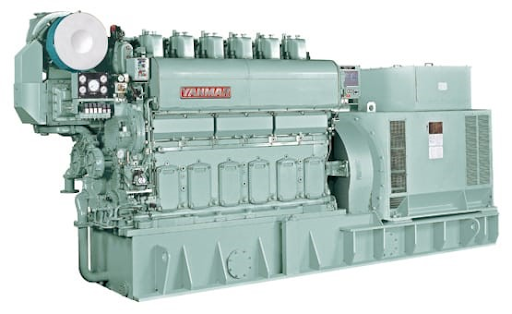
The auxiliary engine is one of the most important machinery systems onboard a ship, and its crankcase plays a major role in ensuring smooth and safe engine operation. The crankcase houses the crankshaft, connecting rods, bearings, and lubricating oil system. Since these components work continuously under high pressure and temperature, regular crankcase inspection is necessary to prevent machinery failure, reduce wear, and maintain engine efficiency.

Routine crankcase inspection helps engineers identify early signs of bearing damage, oil contamination, cooling water leakage, and abnormal wear. Proper maintenance also improves the life of engine components and ensures safe operation of the auxiliary engine.

Process of Auxiliary Engine Crankcase Inspection

1. Stop and Cool Down the Engine

Before opening the crankcase doors, the auxiliary engine must be stopped and allowed to cool down completely. Opening the crankcase while the engine is hot can be dangerous due to high temperature and oil vapors.


Table of Contents

2. Open Crankcase Doors and Perform Visual Inspection

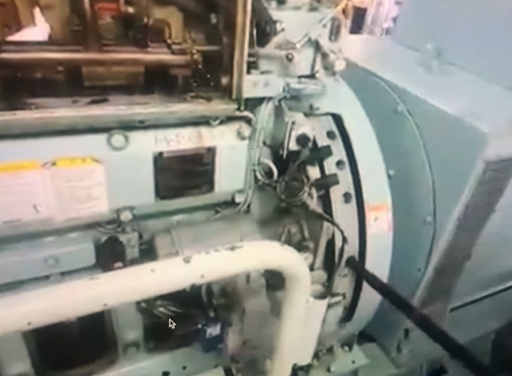
After ensuring safety, the crankcase doors are opened carefully. Engineers inspect the internal condition of:

  • Crankcase walls
  • Crankshaft
  • Connecting rods
  • Lubricating oil condition

If the crankcase walls and oil appear blackened, it may indicate blow-past from engine cylinders caused by worn piston rings or poor combustion.

3. Drain and Test Lubricating Oil

The crankcase oil may be pumped out into a drum if required. A lubricating oil sample is then tested using the onboard lube oil testing kit to check:

  • Oil contamination
  • Water presence
  • Oil degradation
  • Metal particles

This helps in determining the condition of the lubrication system.

4. Check for Cooling Water Leakage

Inspect the crankcase for any signs of jacket cooling water leakage. Water contamination in lube oil can damage bearings and moving parts. If leakage is suspected, the cooling water system should be pressure tested using a hydraulic pump.

5. Inspect Bearings and Bolts

Main bearings and crank pin bearings should be checked carefully for:

  • Wiping marks
  • Overheating
  • Wear and tear
  • Cracks or looseness

The tightness of:

  • Main bearing bolts
  • Crank pin bearing bolts
  • Lubrication pipe connections

must also be verified.

6. Check Crank Pin Bearing Movement

The crank pin bearing should be floating properly on the crank pin. Engineers use a crowbar to slightly move the bearing sideways to confirm correct clearance and lubrication.

7. Clean Filters Inside the Crankcase

Clean the following filters if fitted:

  • Lube oil suction filter
  • Dirty filters can restrict oil flow and reduce lubrication efficiency.

8. Check Lubricating Oil Flow

Start the lubricating oil pump or use a hand pump and slowly turn the engine. Check whether lubricating oil flows freely from:

  • Main bearings
  • Crank pin bearings
  • Gudgeon pin bushes

Proper oil flow is essential for reducing friction and preventing overheating.

9. Inspect for Carbon Deposits and Abnormal Smell

Check crankcase walls for:

  • Carbon deposits
  • Sludge formation
  • Microbial growth

Also inspect for unusual smells like hydrogen sulphide, which may indicate oil contamination.

10. Inspect Crankcase Relief Door

The crankcase relief door is a safety device designed to prevent crankcase explosions. It should be checked manually to ensure it opens freely and the spring mechanism is functioning properly.

Conclusion

Regular inspection of the auxiliary engine crankcase is an important maintenance procedure onboard ships. It helps in detecting problems at an early stage, improving lubrication efficiency, and preventing serious engine damage. Proper crankcase inspection not only increases engine reliability but also ensures safe and efficient ship operations.

Disclaimer :- The opinions expressed in this article belong solely to the author and may not necessarily reflect those of Merchant Navy Decoded. We cannot guarantee the accuracy of the information provided and disclaim any responsibility for it. Data and visuals used are sourced from publicly available information and may not be authenticated by any regulatory body. Reviews and comments appearing on our blogs represent the opinions of individuals and do not necessarily reflect the views of Merchant Navy Decoded. We are not responsible for any loss or damage resulting from reliance on these reviews or comments.

Reproduction, copying, sharing, or use of the article or images in any form is strictly prohibited without prior permission from both the author and Merchant Navy Decoded.

DIWALI SALE

Decoded Discount Alert! up to 50% OFF

DIWALI SALE

Decoded Discount Alert! up to 50% OFF

Use Coupon Code Deep50

Days
Hours
Seconds
0
Would love your thoughts, please comment.x
()
x