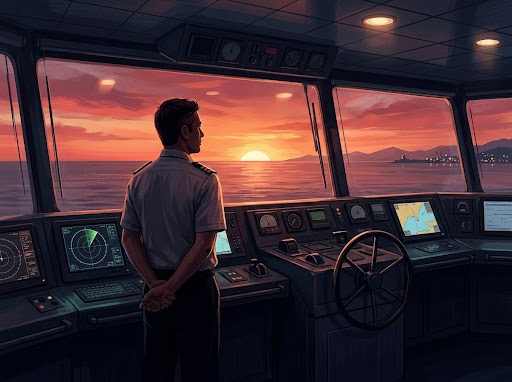
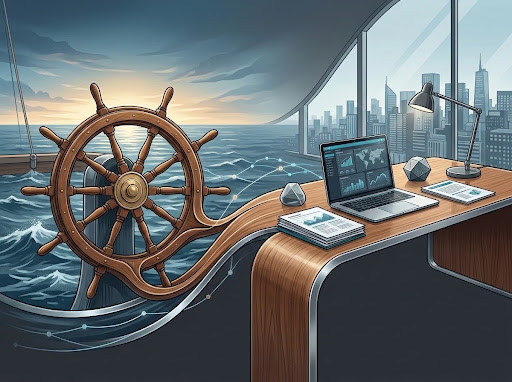
Every deck officer starts their career with a strong connection to ships, navigation, cargo operations, port work, watchkeeping, documentation, and responsibility. For some years, sailing gives good income, international exposure, discipline, confidence, and professional growth. But after a point, many deck officers start asking one important question: what next? Some want more family time, some want a stable routine, some want to remain connected with shipping from shore, and some want to leave shipping completely. This is where shore jobs for deck officers become important.
Introduction
A deck officer does not start thinking about shore jobs without reason. Usually, this thought builds slowly. Long contracts, family responsibilities, lifestyle challenges, exam pressure, mental fatigue, or long-term planning can make a person think differently. Some officers want to remain close to vessels, cargo, ports, and shipping operations. Some want to explore broader maritime careers like pilotage, port operations, maritime law, agency, or business development. Others may want to move outside shipping completely. The important thing is to choose with clarity.
What Is a Shore Job for Deck Officers?
A shore job means a land-based career where a deck officer no longer sails onboard but uses their sea experience, operational understanding, communication skills, and decision-making ability ashore. These jobs can be inside shipping companies, ports, terminals, marine-tech firms, maritime law firms, agencies, logistics companies, business organisations, IT companies, or even completely different industries. A shore job does not always mean leaving shipping. Sometimes, the officer stops sailing but continues to support vessels, cargo movement, operations, training, safety, surveys, or maritime business from land.
Why Deck Officers Have Strong Value Ashore
Deck officers handle many responsibilities onboard. They are involved in navigation, cargo planning, port operations, safety drills, documentation, audits, emergency response, and communication with shore teams. They also coordinate with agents, terminals, surveyors, port authorities, charterers, ship managers, inspectors, and company representatives. This gives them a practical understanding of how ships and maritime operations work. Shore roles often need the same operational judgement, communication skills, coordination ability, and decision-making mindset. That is why deck officers can be valuable in many shore careers.
Three Main Shore Career Paths for Deck Officers
Shore jobs for deck officers can be divided into three main career paths. The first path is core shipping, where the officer remains directly connected with ship management, vessel operations, safety, cargo, routing, training, and crewing. The second path is outside core shipping but still within maritime, such as ports, pilotage, maritime boards, DG Shipping, maritime law, agency, and maritime business. The third path is completely outside shipping, where the officer moves into business development, consulting, IT, MBA-based roles, project management, or entrepreneurship.
Shore Jobs in Core Shipping
Core shipping is usually the most natural shore career path for deck officers who want to stop sailing but remain connected with vessels and shipping companies. These roles may include vessel routing, voyage optimisation, commercial shipping, HSQE, marine surveys, audits, business analyst roles in marine tech, training, data management, and crewing. This transition is smoother because the officer’s sea experience is directly useful. Deck officers understand navigation, cargo, port calls, documentation, vessel limitations, safety systems, and communication with ship staff.
Vessel Routing and Voyage Optimisation
Vessel routing and voyage optimisation are strong shore options for deck officers who enjoy navigation and weather planning. A vessel may have many possible routes, but the best route depends on weather, wind, currents, storms, safety, fuel efficiency, charter-party requirements, and commercial priorities. A vessel-routing professional supports the Master from shore by analysing weather data, route options, vessel performance, and voyage requirements. Second Officers and Masters are especially suitable because they understand passage planning, ECDIS, weather reports, and voyage decision-making.
Table of Contents
Commercial Shipping for Deck Officers
Commercial shipping is another strong option for deck officers who want to understand the business side of shipping. Deck officers have cargo knowledge, and this becomes valuable in pre-fixture, post-fixture, chartering support, voyage operations, cargo operations, and commercial operations. In pre-fixture work, the focus is on checking vessel suitability before a deal is fixed. In post-fixture work, the responsibility starts after the vessel is fixed and involves voyage follow-up, documentation, laytime support, coordination, and commercial communication.
HSQE, Surveys and Audits
HSQE or QHSE stands for Health, Safety, Quality, and Environment. This is one of the most common shore career options for deck officers because they already understand onboard safety, emergency procedures, inspections, audits, cargo safety, navigation risks, compliance, and documentation. Marine surveys and audits are also practical options. These may include cargo surveys, vessel condition surveys, safety checks, internal audits, external audits, and operational inspections. Officers who are disciplined, observant, detail-oriented, and good at reporting can do well in these roles.
Marine Tech, Training, Data and Crewing
Marine technology is creating new opportunities for deck officers. They can work as Business Analysts in IT or marine-tech companies by explaining real shipping workflows to developers and product teams. Training is another natural option for officers who enjoy teaching navigation, cargo operations, COLREGs, passage planning, safety, and competency topics. Data management is useful for officers who want to combine voyage knowledge with tools like Excel, Power BI, or basic data analysis. Crewing is also practical for officers who enjoy coordination and people management.
Shore Jobs Outside Core Shipping
The second path is outside core shipping but still within the maritime industry. These careers are not traditional ship-management roles, but they still use the officer’s sailing background. They may include pilotage, port operations, maritime boards, DG Shipping, maritime law, shipping agency, business development, consultancy, and maritime entrepreneurship. This path is suitable for deck officers who want to move ashore but do not want to work in routine ship-management departments. Their knowledge of ships, cargo, documents, and port calls remains useful.
Pilotage Career for Master Mariners
Pilotage is one of the strongest broader maritime career options for deck officers, especially Master Mariners. A pilot assists vessels during arrival, departure, and movement within port limits. This role carries high responsibility because port approaches, narrow channels, traffic density, tides, currents, and local conditions can make navigation challenging. Master Mariners have a natural advantage because they have already handled vessels in different ports and conditions. With port-specific training and local knowledge, pilotage can become a respected and meaningful shore career.
Port Operations and Terminal Roles
Port operations is another strong option for deck officers who want to stay close to vessels and cargo movement. Ports need professionals who understand berthing, unberthing, cargo handling, vessel coordination, terminal planning, and port-side operations. Deck officers already understand practical ship operations, port stays, documentation, cargo planning, safety requirements, and communication with shore stakeholders. This field may include bulk cargo operations, container operations, tanker terminals, gas terminals, berth planning, vessel movement coordination, cargo planning, and terminal management.
Maritime Boards, DG Shipping and Regulatory Roles
Deck officers can also explore roles with maritime boards, port authorities, DG Shipping, MMD-related systems, and other regulatory or government-linked maritime organisations. These roles may involve port development, maritime safety, coastal shipping, inspections, advisory work, regulation, policy, and maritime administration. Experienced deck officers and Master Mariners can contribute in operational, regulatory, planning, and advisory roles. Such careers may offer authority, public service exposure, administrative experience, and long-term contribution to the maritime sector.
Maritime Law and Claims Careers
Maritime law is a powerful option for deck officers who are analytical, studious, and interested in legal matters. Shipping involves disputes related to cargo claims, charter parties, collisions, marine insurance, port delays, arbitration, vessel incidents, and regulatory issues. A deck officer who understands real ship operations can bring practical value to legal and claims work. With maritime law knowledge or relevant legal qualifications, deck officers can work in law firms, P&I clubs, arbitration teams, insurance firms, claims departments, and advisory services.
Shipping Agency and Maritime Business Development
Shipping agency is another practical shore option for deck officers. A shipping agent coordinates everything required for a vessel’s smooth port stay, including customs, immigration, port authorities, pilots, stevedores, chandlers, surveyors, owners, charterers, cargo interests, and vessel staff. Deck officers can do well because they understand what happens when a ship arrives in port. Business development is also suitable for officers who are confident, communicative, and good at building relationships in maritime services, logistics, training, technology, or consultancy.
Maritime Entrepreneurship
Deck officers can also become entrepreneurs in the maritime sector. Many strong maritime businesses are built by people who understand real industry problems. A deck officer can start a business in shipping agency, marine consultancy, port services, training, logistics, survey support, maritime technology, advisory services, or business development. Entrepreneurship is not easy because it requires risk-taking, networking, financial planning, patience, and business understanding. However, sailing experience can become a major advantage when combined with market knowledge and problem-solving ability.
Shore Jobs Completely Outside Shipping
The third path is moving completely outside shipping. This means entering a career where daily work may not involve ships, ports, cargo, navigation, or maritime systems. It may involve clients, business, operations, projects, technology, management, sales, consulting, or entrepreneurship. This path is possible, but it needs careful planning because deck officers’ nautical skills are mostly useful inside shipping or related industries. To succeed outside shipping, deck officers must present their experience as leadership, communication, discipline, decision-making, crisis handling, and operations management.
Business Development Outside Shipping
Business development is one of the practical career options for deck officers outside shipping. In this field, navigation or cargo knowledge may not be used directly, but communication, confidence, personality, and relationship-building skills can be useful. Business development involves meeting clients, understanding customer needs, presenting solutions, negotiating, following up, and helping a company grow. Deck officers who are comfortable speaking, networking, convincing people, and maintaining professional relationships can do well if they are ready to learn a new product or service.
Consulting, MBA and General Management
Consulting is another option where deck officers can use operational thinking and practical experience. Maritime-related consulting can be a useful bridge, but an MBA can open wider opportunities outside shipping. After an MBA, deck officers can explore general management, operations management, consulting, business development, strategy, service delivery, project management, or leadership roles in different industries. However, an MBA does not guarantee success automatically. College quality, preparation, communication, networking, and career clarity are very important.
IT, Program Management and Project Management
IT companies can offer opportunities for deck officers, especially after upskilling or management education. A deck officer does not need to become a coder to work in IT. Non-coding roles such as program management, project management, business analysis, operations management, client management, service delivery, and product management may suit them. These roles need coordination, reporting, deadlines, documentation, client handling, and stakeholder management. Deck officers already understand discipline and responsibility, but they must learn corporate communication, Agile basics, project tools, and reporting methods.
Entrepreneurship Outside Shipping
Entrepreneurship is another major option for deck officers who want to move beyond a normal job. Many deck officers have confidence, communication skills, discipline, and people-handling ability. These qualities can help in starting and running a business. Some may start maritime-related businesses, while others may enter education, retail, trading, digital products, local services, consulting, or other sectors. Entrepreneurship is risky, but it can become powerful for those who have courage, patience, customer understanding, financial discipline, and long-term commitment.
Skills Deck Officers Need Before Moving Ashore
Deck officers planning shore careers should build skills according to their target path. For core shipping, they need communication, documentation, report writing, safety understanding, cargo knowledge, Excel, commercial awareness, and operational judgement. For maritime roles outside core shipping, they may need port operations exposure, legal knowledge, regulatory awareness, stakeholder management, business understanding, or networking skills. For careers outside shipping, they need corporate communication, project tools, presentation skills, client handling, management knowledge, and the ability to explain sea experience in simple business language.
How to Prepare Your CV for Shore Jobs
A normal sailing CV may not work for shore jobs. Deck officers should create a shore-focused CV according to the target industry. For core shipping, they should highlight cargo operations, navigation, audits, inspections, documentation, safety, vessel coordination, and port exposure. For broader maritime roles, they should highlight port calls, stakeholder coordination, documentation, cargo planning, operational judgement, and communication. For outside-shipping roles, they should convert sea experience into corporate skills such as leadership, crisis handling, people management, responsibility, operations management, and decision-making.
How to Choose the Right Shore Job
The right shore job depends on rank, interest, personality, financial expectations, risk capacity, and long-term goals. If you like navigation and weather, vessel routing may suit you. If you like cargo and business, commercial shipping can be a strong option. If you are safety-focused, HSQE may be better. If you enjoy port-side operations, port operations or shipping agency can suit you. If you like law and documentation, maritime law may be suitable. If you like people and business, business development or entrepreneurship can work.
Final Advice for Deck Officers
Shore jobs for deck officers are not limited to one path. Some officers can grow in core shipping, some can build strong careers in broader maritime roles, and some can move completely outside shipping. The important thing is to understand your interest and prepare properly. Sea experience gives discipline, responsibility, leadership, cargo knowledge, communication skills, safety awareness, and operational thinking. But shore success needs new skills, clear presentation, industry understanding, networking, and patience.
Start Your Journey with Sailor Pro App
A career outside shipping becomes easier when you understand your strengths, transferable skills, and realistic options. Sailor Pro app, an initiative by Merchant Navy Decoded, helps seafarers explore career paths, understand shore opportunities, and make smarter decisions for life at sea and beyond.
Shore jobs for deck officers are land-based careers where they use their sailing experience in core shipping, broader maritime roles, or completely outside-shipping industries.
Core shipping jobs include vessel routing, voyage optimisation, commercial shipping, HSQE, marine surveys, audits, business analyst roles, training, data management, and crewing.
These include pilotage, port operations, maritime boards, DG Shipping roles, maritime law, shipping agency, business development, maritime consultancy, and maritime entrepreneurship.
Jobs outside shipping include business development, consulting, MBA-based management roles, IT project management, program management, operations management, client management, and entrepreneurship.
Yes, Deck Cadets, Third Officers, and Second Officers can explore roles in crewing, training support, data management, marine tech, business analysis, operations, and coordination with proper preparation.
Yes, vessel routing is suitable for deck officers because they understand navigation, passage planning, weather routing, bridge procedures, ECDIS, and voyage monitoring.
Yes, deck officers can work in IT companies after upskilling in business analysis, product management, program management, project management, Agile basics, reporting, and stakeholder management.
Yes, MBA can be useful for deck officers who want to enter consulting, general management, operations, strategy, business development, service delivery, or leadership roles.
Deck officers should choose one target path, learn relevant skills, prepare a shore-focused CV, improve LinkedIn, network with professionals, and apply to roles matching their experience and goals.
Disclaimer :- The opinions expressed in this article belong solely to the author and may not necessarily reflect those of Merchant Navy Decoded. We cannot guarantee the accuracy of the information provided and disclaim any responsibility for it. Data and visuals used are sourced from publicly available information and may not be authenticated by any regulatory body. Reviews and comments appearing on our blogs represent the opinions of individuals and do not necessarily reflect the views of Merchant Navy Decoded. We are not responsible for any loss or damage resulting from reliance on these reviews or comments.
Reproduction, copying, sharing, or use of the article or images in any form is strictly prohibited without prior permission from both the author and Merchant Navy Decoded.