What Should Seafarers Check Before Signing a Contract
Joining a ship is an exciting moment for every seafarer. Tickets may already be booked, documents may be ready, and the joining date may be close. During this rush, many seafarers sign their contract without reading it properly.
This can create serious problems later. Your contract explains your salary, contract period, overtime, leave, sign-off, travel and other important conditions.
Once you sign it, you agree to the written terms. Therefore, every seafarer should take a few minutes to read the complete contract before joining the ship.
Why Every Seafarer Should Read the Contract Carefully
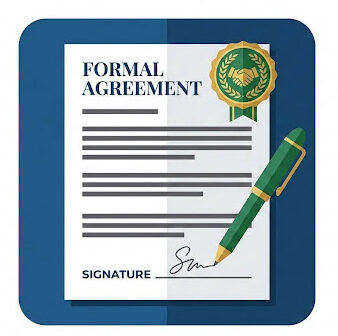
A seafarer contract is not just another joining document. It is the written record of what the company has promised and what the seafarer has agreed to.
Many seafarers only check the vessel name, joining date and salary. They ignore the smaller terms because they are in a hurry or afraid of losing the job.
However, these smaller terms may decide your working hours, sign-off date, leave pay, travel expenses and medical support. Reading the contract before joining can protect you from future misunderstandings.
What Is a Seafarer Contract
A seafarer contract is a written agreement between the seafarer and the employer. It explains the conditions under which the seafarer will work on the ship.
The contract normally includes the seafarer’s name, rank, vessel name, company details, monthly salary, contract period, leave, overtime and sign-off conditions.
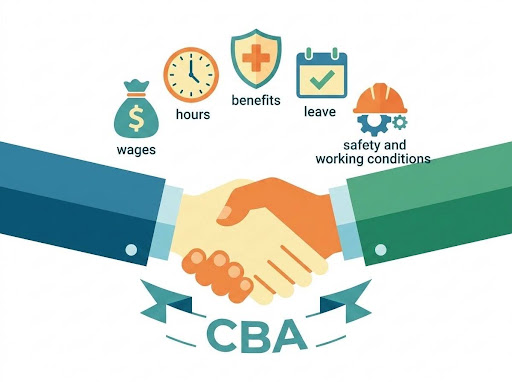
It may also explain who will pay for travel, medical care and return tickets. Some contracts may be linked with a CBA, which provides additional benefits.
Always make sure that the contract contains complete and correct information.
How Long Should a Seafarer Contract Be
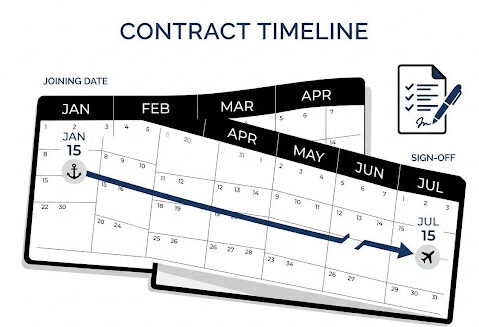
The contract should clearly mention your joining date and the number of months you are expected to work on board.
For example, if the company has offered a contract of six months, the same period should be written in the document. Do not depend only on a verbal promise.
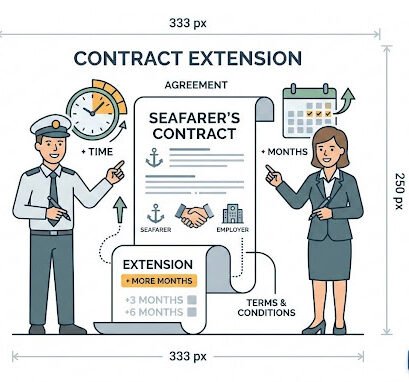
You should also check whether the company can extend the contract. The rules for extension should be clear.
Knowing the exact contract period helps you plan family matters, future courses, examinations, medical appointments and your next joining.
What Salary Details Should Be Written in the Contract
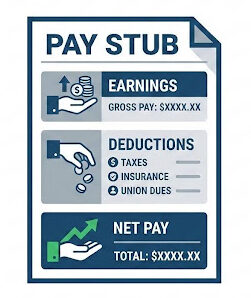
The contract should clearly show your basic monthly salary and all other payments.
Check whether overtime, leave pay, allowances, bonus and any deductions are written separately. The amount in the contract should match the salary promised during the interview or selection process.
Also check the currency in which the salary will be paid. Make sure there are no blank spaces in the salary section.
Never sign a contract when the salary details are unclear, incomplete or different from what the company promised.
How Does Overtime Pay Work on Ships
Seafarers may have to work extra hours during cargo operations, port stays, maintenance, drills or emergencies.
The contract should explain whether overtime will be paid separately or included as a fixed amount in the monthly salary.
If fixed overtime is included, check how many hours are covered. Also ask what happens when you work more than those hours.
Do not assume that every extra hour will automatically be paid. Understand the company’s overtime system before signing so that there is no confusion after joining.
What Leave Benefits Should Be Mentioned in the Contract
Leave pay is another important part of a seafarer’s salary.
The contract should explain how your leave is calculated and whether leave pay is included in your monthly salary or paid separately.
You should also check whether any unused leave will be paid at the end of the contract.
Many seafarers ignore leave details because they focus only on basic salary. However, leave pay can make a clear difference to the total amount you receive.
Ask the company to explain the leave system before you sign.
Who Pays for Your Flight Ticket After Sign-Off
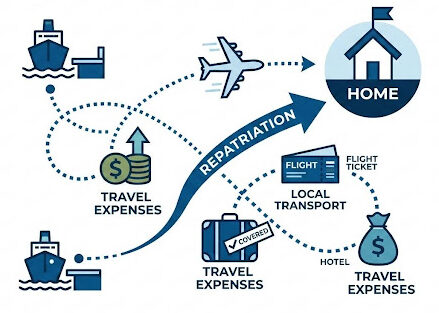
The contract should clearly explain who will pay for your return ticket after your contract ends.
This process is commonly called repatriation, but in simple words, it means sending you back to the agreed destination after sign-off.
Check whether the company will pay for the flight, local transport, hotel and other necessary travel expenses.
You should also understand what happens if you sign off early due to illness, injury, family emergency or a company decision.
Never ignore this section because international travel can be expensive.
What Is CBA and Why Is It Important for Seafarers
CBA means Collective Bargaining Agreement. It may provide extra rights and benefits in addition to your main contract.
The CBA may include details about salary, overtime, leave, injury compensation, medical support, death compensation, disability and loss of personal items.
Some important benefits may not be written fully in the main contract. They may only be mentioned in the CBA.
Ask whether your contract comes under a CBA. Request a copy or access to the document and read the important sections before joining.
What Medical and Insurance Benefits Should You Check
The contract should explain what support you will receive if you become sick or injured while working on the ship.
Check whether the company will provide medical treatment, hospital care, insurance and compensation. You should also understand what documents will be needed for a claim.
Ask what support is available in case of serious injury, disability or death.
These points may be difficult to discuss, but they are very important. A seafarer should know what protection is available before going away from home for several months.
Can a Shipping Company Extend Your Contract
A company may sometimes request a contract extension because of crew-change problems, vessel schedules or operational requirements.
Before signing, check whether the contract allows an extension and under what conditions.
The document should explain whether your agreement is required and how long the extension can continue.
Do not depend only on a verbal promise that you will sign off on a particular date. What is written in the contract is usually more important.
Ask the company to explain the extension rules clearly before you join.
What Happens If You Want to Leave the Ship Early
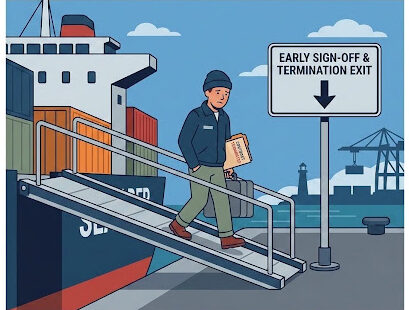
Read the part of the contract that explains what happens if you want to leave before the contract ends.
Check whether you need to give notice and whether you may have to pay any travel expenses. Also understand the rules for medical problems, family emergencies and other genuine reasons.
The contract may also explain when the company can end your employment early.
Do not assume that you can leave the vessel immediately at any time. Understanding the early sign-off rules can help you avoid financial or legal problems.
Why Every Seafarer Should Keep a Signed Copy of the Contract
After signing the contract, always ask for your own signed copy.
This copy is proof of the salary, contract period and other conditions accepted by you and the company. It can help if there is a future dispute.
Keep both a digital and a printed copy. You can scan the contract and save it in your email, phone or secure cloud storage.
Also keep copies of your joining letter, salary details, CBA, tickets and important company emails. Never depend only on the agent or company to store these records.
Questions Every Seafarer Should Ask Before Signing
Do not be afraid to ask questions before signing your contract.
Ask how much salary you will receive, how overtime is calculated, how long you will stay on board and who will pay for your return ticket.
You should also ask about leave pay, medical treatment, insurance, CBA benefits and early sign-off rules.
A genuine company should be able to explain these details clearly. Being forced to sign immediately without enough time to read the document can be a warning sign.
Common Mistakes Seafarers Make While Signing a Contract
One common mistake is checking only the salary and joining date.
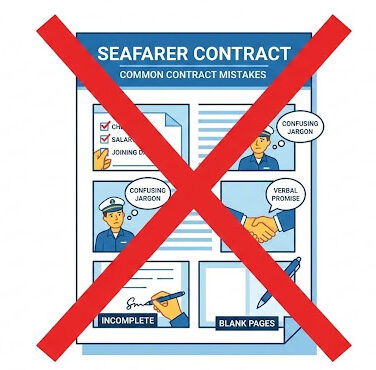
Another mistake is believing verbal promises that are not written in the contract. Seafarers may also sign blank pages, incomplete documents or papers they do not understand.
Some crew members do not ask questions because they fear losing the opportunity. This can cause bigger problems later.
Never sign a blank or incomplete contract. Read every page, check all important details and ask for correction if anything is wrong.
Table of Contents
Final Advice for Indian Seafarers
Before joining a ship, check your contract period, salary, overtime, leave pay, medical support, return ticket and sign-off conditions. Never sign a blank or unclear document, and always keep your signed copy safely.
You can also use the Sailor Pro App to store maritime documents, receive certificate expiry reminders and stay updated with important information for seafarers. A careful check before joining can save you from serious problems later.
A company may request an extension, but the rules should be written clearly in the contract. The seafarer should understand these conditions before signing.
The signed copy is proof of the terms accepted by both the seafarer and the company. It can help during a future dispute.
Disclaimer :- The opinions expressed in this article belong solely to the author and may not necessarily reflect those of Merchant Navy Decoded. We cannot guarantee the accuracy of the information provided and disclaim any responsibility for it. Data and visuals used are sourced from publicly available information and may not be authenticated by any regulatory body. Reviews and comments appearing on our blogs represent the opinions of individuals and do not necessarily reflect the views of Merchant Navy Decoded. We are not responsible for any loss or damage resulting from reliance on these reviews or comments.
Reproduction, copying, sharing, or use of the article or images in any form is strictly prohibited without prior permission from both the author and Merchant Navy Decoded.