For many Indian seafarers and their families, welfare support becomes important during the most stressful moments of life. It may be a medical emergency, disability case, death-related claim, abandoned seafarer situation, education benefit, or retirement-related support. In such situations, the biggest problem is not always eligibility. Many times, the real problem is confusion. Families do not know where to apply, which documents are pending, whether the claim is under review, or when the payment may be processed. This is why online claim tracking for SWFS can become very important for Indian seafarers.
What is SWFS?
SWFS stands for Seafarers’ Welfare Fund Society. It is connected with welfare support for Indian seafarers and their families. The DGMA SWFS page mentions that SWFS provides welfare facilities to seafarers and families, including financial support for education, health, and emergencies. It also manages gratuity funds for rating seafarers and administers welfare contributions collected from shipping companies for seafarer benefit programmes.
Why SWFS Needs Online Claim Tracking
Seafarers work in a profession where they are often away from home, away from regular communication, and sometimes away from direct access to offices. Their families may be in different cities or villages. In many cases, family members may not understand maritime documents like CDC, CoC, sea-service proof, RPSL details, nominee details, or medical certificates. When the claim process is not clearly visible, families feel lost. Online tracking can make the claim journey easier to understand.
What is SWFS Digital Modernisation?
The DGMA SWFS page mentions proposed modernisation and digital initiatives for SWFS. These include complete ERP implementation, automation of gratuity management, welfare schemes, and financial processes. It also mentions online claim tracking, digital payments, and a mobile app. In simple words, SWFS digital modernisation means moving important welfare processes into a more organised online system so that applications, documents, approvals, and payments can be handled more clearly.
What is ERP for SWFS?
ERP means Enterprise Resource Planning. It sounds technical, but the meaning is simple. It is a digital system that connects different work in one place. For SWFS, ERP can help connect welfare scheme applications, gratuity management, document checking, approvals, financial processes, claim tracking, and payments. Instead of different steps being scattered, the process can become more structured. For seafarers and families, this can reduce confusion and make the welfare claim process easier to follow.
How Online Claim Tracking Can Help Families
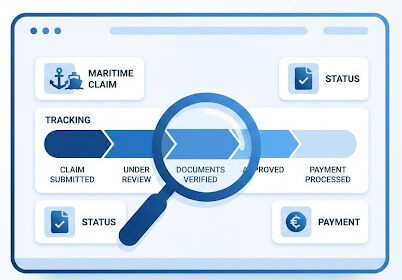
Online claim tracking can help families know where the application stands. For example, a claim may show stages like submitted, under review, documents required, approved, or payment processed. Even if the final official system uses different words, the basic idea is the same: families should not have to guess. During a death-related claim, medical claim, or abandoned seafarer case, even one clear status update can reduce stress and help the family act faster.
Digital Payments Can Bring More Transparency
The proposed SWFS digital initiatives also mention digital payments. This can be very useful because welfare support is not complete until the amount reaches the correct bank account. If a digital system shows whether the payment is pending, approved, or processed, the claimant gets more clarity. It can also reduce confusion about whether the claim has been released or not. For families depending on urgent support, payment transparency is very important.
Mobile App Access for Seafarers
A mobile app can make SWFS support easier to access. Seafarers may be onboard, travelling, or away from home. Families may not be able to visit an office physically. A mobile app can help users check scheme information, upload or manage documents, track application status, and receive updates. The DGMA SWFS page specifically mentions a mobile app as part of proposed digital initiatives. This can make welfare support more accessible.
Grievance Redressal and Helpline Support
The DGMA SWFS page also mentions a comprehensive grievance redressal module. It includes an online portal for grievance submission and tracking, along with a dedicated helpline for seafarer-related issues. This is important because welfare problems are not always only about forms. Sometimes the issue may be claim delay, document confusion, no clear update, or difficulty finding the right authority. A proper grievance system can create a formal record and improve accountability.
Port Welfare Audits and Real Support
Digital support is important, but real-world welfare also matters. The proposed SWFS initiatives mention auditing welfare facilities at Indian ports under DGS Order 8 of 2024 and financial aid for seafarer welfare infrastructure. This means welfare should not only exist online. Seafarers also need practical support at ports, such as proper facilities, communication access, rest areas, transport support, and welfare infrastructure. A strong digital system should support both online claims and ground-level welfare.
Part of a Bigger Maritime Digital Roadmap
SWFS digitalisation is also part of a wider maritime digital transformation. PIB reported that DGS launched digital transformation initiatives at IT Conclave 2025, including the e-Samudra platform and a digital transformation roadmap. The roadmap includes ERP solutions for Seafarers’ Provident Fund Organization and Seafarers’ Welfare Fund Society, along with digital archival solutions, learning systems, and real-time monitoring. This shows that seafarer welfare is also moving towards a more digital future.
What Seafarers Should Still Keep Ready
Even if SWFS becomes more digital, documents will still matter. A tracking system cannot help if the required documents are missing or incorrect. Seafarers and families should keep CDC, passport, CoC, CoP, sea-service records, nominee details, bank details, medical certificates, insurance policy papers, birth certificates, death certificates, and scheme-specific documents safely. Digital systems can make the process easier, but eligibility and documentation will still remain important.
Common Problems Online Tracking Can Reduce
Online claim tracking can reduce many common problems. Families may not need to repeatedly ask whether the claim was received. Seafarers can see if documents are pending. Claimants can know if the application is under review or approved. A grievance system can help record complaints properly. Digital payments can give better clarity on payment status. Overall, the process can become faster, clearer, and more transparent for Indian seafarers and their families.
Table of Contents
Final Advice for Indian Seafarers
SWFS Online Claim Tracking for Indian Seafarers can become a major step in making welfare support easier to understand. Welfare claims should not feel like a mystery. Families should not be left waiting without updates. Seafarers should not struggle to know whether support is available or where the claim stands. If implemented properly, online tracking, digital payments, mobile access, grievance redressal, and ERP can bring welfare support closer to the people who need it most.
Take the Next Step
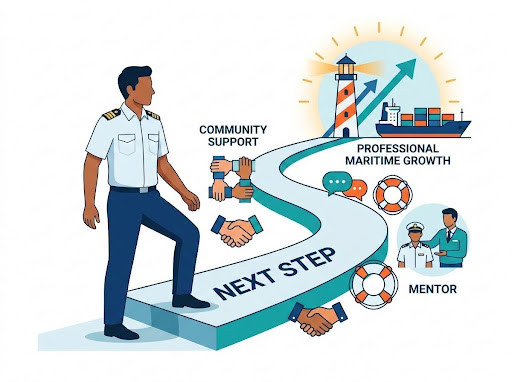
For seafarers, welfare planning is not only about knowing scheme names. It is also about keeping documents ready, informing the family, understanding deadlines, and tracking claims properly. Sailor Pro App – Built for Seafarers, an Initiative by Merchant Navy Decoded, can help seafarers stay more organised with important maritime updates and guidance. You can also follow Merchant Navy Decoded for practical information created especially for Indian seafarers and their families.
SWFS online claim tracking means a digital system where seafarers or families may be able to check the status of welfare claims, documents, approvals, and payments.
The DGMA SWFS page mentions proposed modernisation initiatives, including complete ERP implementation, online claim tracking, digital payments, and a mobile app.
It can help families know whether the claim is submitted, under review, pending for documents, approved, or paid. This can reduce confusion during difficult times.
Digital payments can improve transparency by showing whether payment is pending, approved, or processed, depending on how the final system is implemented.
Seafarers should keep CDC, passport, CoC, sea-service proof, nominee details, bank details, medical papers, insurance documents, and scheme-specific forms ready.
It can make welfare support faster, clearer, more transparent, and easier to access for seafarers and families.
Disclaimer :- The opinions expressed in this article belong solely to the author and may not necessarily reflect those of Merchant Navy Decoded. We cannot guarantee the accuracy of the information provided and disclaim any responsibility for it. Data and visuals used are sourced from publicly available information and may not be authenticated by any regulatory body. Reviews and comments appearing on our blogs represent the opinions of individuals and do not necessarily reflect the views of Merchant Navy Decoded. We are not responsible for any loss or damage resulting from reliance on these reviews or comments.
Reproduction, copying, sharing, or use of the article or images in any form is strictly prohibited without prior permission from both the author and Merchant Navy Decoded.