Hi this is Team Merchant Navy Decoded !!!

Please fill the below form with your query and we will get back to you in next 12 hours.

Rest assured your data is safe with us !!!🙂

Ask Your Query

Scavenge Space Inspection in Marine Diesel Engines: Complete Guide for Marine Engineers

What is Scavenge Space Inspection?

Scavenge Space Inspection is one of the most effective and economical methods used onboard ships to assess the internal condition of a marine diesel engine.

Through a scavenge inspection, marine engineers can evaluate the condition of critical engine components such as:

  • Cylinder Liner
  • Piston Crown
  • Piston Rings
  • Piston Rod
  • Piston Skirt
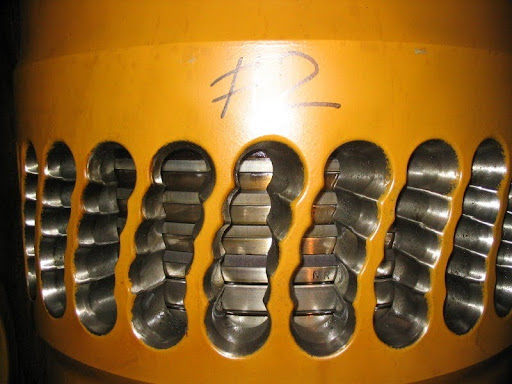
  • Scavenge Air Box
  • Scavenge Drains
  • Relief Valves

Regular inspection helps detect abnormalities at an early stage and prevents costly breakdowns and dangerous incidents such as Scavenge Fires.

Why is Scavenge Space Inspection Important?

Scavenge space inspection provides valuable information about engine health without expensive diagnostic equipment.

Benefits of Scavenge Inspection

  •  Detects piston ring wear
  •  Identifies cylinder liner damage
  •  Prevents scavenge fires
  •  Detects excessive cylinder oil consumption
  •  Checks condition of scavenge drains
  •  Verifies proper lubrication
  •  Reduces maintenance costs

Table of Contents

Preparations Before Scavenge Space Inspection

Before opening the scavenge space, ensure all safety precautions are followed.

Safety Checks

  • Engine stopped and secured
  • Turning gear engaged
  • Engine cooled sufficiently
  • Adequate ventilation provided
  • Proper PPE worn
  • Permit to work completed

Cooling System Check

Ensure:

  • Cooling water circulation remains available
  • Cooling oil circulation remains available
  • No leakage is present in the cooling system

Scavenge Space Inspection Procedure

1. Inspect Scavenge Air Box and Scavenge Ports

The first step is inspecting the scavenge air box.

Check for:

  • Sludge accumulation
  • Carbon deposits
  • Excess lubricating oil
  • Water contamination
  • Blocked scavenge drains

Any sludge or carbon deposits should be removed immediately to reduce the risk of a scavenge fire.

What to Look For?

  • Clean scavenge ports
  • Dry and clean drain spaces
  • No excessive oil accumulation
  • Free-flowing drains

2. Inspect Piston, Piston Rings and Cylinder Liner

This is one of the most important parts of the inspection.

The piston assembly can be visually examined through the scavenge ports.

Check the Piston Crown

Inspect for:

  • Burning marks
  • Carbon deposits
  • Signs of overheating

Check the Piston Skirt

Look for:

  • Scuffing marks
  • Abrasion
  • Uneven wear

Check Piston Rings

In good running conditions:

  • Rings should move freely
  • Ring surfaces should appear bright
  • Proper lubrication should be visible

A simple onboard check involves pressing the piston ring into its groove. If it springs back freely, the ring is generally in good condition.

Check Cylinder Liner

Inspect for:

  • Scoring marks
  • Corrosion
  • Excessive wear
  • Abnormal polishing

A healthy liner surface typically appears bright and evenly worn.

3. Inspect Piston Rod Condition

The piston rod should be checked carefully for:

  • Oil leakage
  • Corrosion
  • Surface damage
  • Abnormal wear marks

The rod should appear clean and properly lubricated.

4. Check Flap Valves and Non-Return Valves

The scavenge air box contains flap valves (non-return valves) designed to prevent reverse flow and protect the engine during abnormal conditions.

Inspection Points

  • Easy movement
  • No sticking
  • No deformation
  • No cracks
  • Proper seating condition

Damaged valves should be repaired or replaced immediately.

5. Inspect Scavenge Box Mountings and Relief Valves

All mountings fitted on the scavenge box should be inspected.

Scavenge Relief Valve

Check for:

  • Cleanliness
  • Free movement
  • Damage to flame screen
  • Proper seating

Temperature Probe

Inspect for:

  • Carbon deposits
  • Physical damage
  • Loose connections

Clean all deposits from the probe to ensure accurate temperature readings.

Common Defects Found During Scavenge Inspection

Marine engineers frequently encounter the following issues:

  • Broken piston rings
  • Worn cylinder liners
  • Excessive cylinder oil deposits
  • Scuffed piston skirts
  • Blocked scavenge drains
  • Damaged flap valves
  • Carbon accumulation
  • Relief valve contamination

Early detection prevents major engine failures.

How Scavenge Inspection Helps Prevent Scavenge Fire

Regular inspections help identify:

  • Carbon build-up
  • Oil accumulation
  • Poor combustion
  • Blow-by gases
  • Blocked drains

These are the primary causes of scavenge fires in large marine diesel engines.

By cleaning deposits and correcting defects, the risk of scavenge fire is significantly reduced.

Best Practices for Effective Scavenge Inspection

  • Conduct inspections as per PMS schedule.
  • Record observations in engine logbooks.
  • Compare current findings with previous inspections.
  • Clean all deposits immediately.
  • Replace damaged components without delay.
  • Investigate any abnormal wear patterns.

Conclusion

Scavenge Space Inspection is one of the most valuable preventive maintenance activities onboard ships. It provides a direct view of the condition of pistons, piston rings, cylinder liners, scavenge drains, relief valves, and other critical engine components. Regular inspections help improve engine reliability, reduce maintenance costs, and prevent serious incidents such as scavenge fires and engine failures.

Frequently Asked Questions (FAQs)

To ensure proper drainage and prevent accumulation of oil and carbon deposits.

By visual inspection and confirming that the rings move freely within their grooves.

To ensure they operate correctly and provide protection during abnormal pressure conditions.

According to the vessel’s Planned Maintenance System (PMS), engine maker recommendations, and operating conditions.

Disclaimer :- The opinions expressed in this article belong solely to the author and may not necessarily reflect those of Merchant Navy Decoded. We cannot guarantee the accuracy of the information provided and disclaim any responsibility for it. Data and visuals used are sourced from publicly available information and may not be authenticated by any regulatory body. Reviews and comments appearing on our blogs represent the opinions of individuals and do not necessarily reflect the views of Merchant Navy Decoded. We are not responsible for any loss or damage resulting from reliance on these reviews or comments.

Reproduction, copying, sharing, or use of the article or images in any form is strictly prohibited without prior permission from both the author and Merchant Navy Decoded.

DIWALI SALE

Decoded Discount Alert! up to 50% OFF

DIWALI SALE

Decoded Discount Alert! up to 50% OFF

Use Coupon Code Deep50

Days
Hours
Seconds
0
Would love your thoughts, please comment.x
()
x