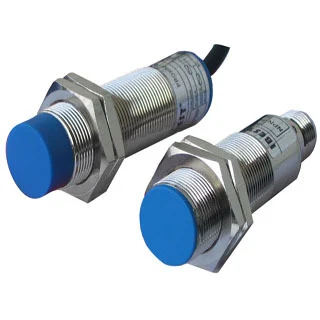
Modern ships rely heavily on automation and intelligent monitoring systems to ensure safe navigation, efficient machinery operation, and reduced human error. One of the most important components enabling this automation is the proximity sensor. These sensors are widely used onboard ships for detecting the presence, position, or movement of objects without physical contact.
From engine room automation to cargo handling systems, proximity sensors play a crucial role in improving operational safety and efficiency in the maritime industry.
What is a Proximity Sensor?
A proximity sensor is an electronic device that detects the presence or absence of an object within a certain range without making physical contact. It converts physical movement or position changes into electrical signals that can be interpreted by control systems, alarms, or automation equipment.
Unlike mechanical switches, proximity sensors are highly reliable because they operate without direct contact, reducing wear and tear.
Working Principle of Proximity Sensors
The basic working principle of a proximity sensor involves:
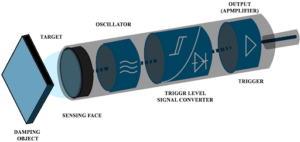
Generation of an electromagnetic or electric field
Detection of changes caused by an object entering that field
Conversion of the detected change into an electrical signal
Transmission of the signal to control or monitoring systems
When an object approaches the sensing area, the sensor detects the disturbance and activates an output signal. This signal can:
Start or stop machinery
Trigger alarms
Monitor rotational speed
Detect valve positions
Control automated systems
Table of Contents
Types of Proximity Sensors Used Onboard Ships
1. Inductive Proximity Sensor
Working Principle
Inductive sensors detect metallic objects using electromagnetic induction. The sensor generates a high-frequency electromagnetic field through an internal coil. When a metal object enters this field, eddy currents are induced in the object, causing a change in oscillation. The sensor detects this change and activates the output signal.
Applications Onboard
Shaft speed monitoring
Gear position sensing
Engine RPM measurement
Crane and winch systems
Valve position indication
2. Capacitive Proximity Sensor
Working Principle
Capacitive sensors detect both metallic and non-metallic materials by sensing changes in capacitance. When an object enters the sensor’s electric field, the capacitance changes, triggering the output.
Applications Onboard
Tank level monitoring
Detection of liquids and powders
Cargo level sensing
Plastic or rubber object detection
3. Ultrasonic Proximity Sensor
Working Principle
Ultrasonic sensors emit high-frequency sound waves. These waves reflect back after striking an object. The sensor calculates the distance based on the time taken for the echo to return.
Applications Onboard
Ultrasonic sensors are used onboard ships, although they are less common in traditional marine machinery systems compared to pressure, temperature, or inductive sensors. They are mainly used in modern automation and monitoring systems such as:
Tank level measurement in ballast, fuel, and freshwater tanks
Distance and position monitoring
Automated berthing and docking assistance systems
Collision avoidance and object detection in advanced navigation systems
Bilge and wastewater level monitoring
4. Photoelectric Proximity Sensor
Working Principle
Photoelectric sensors use a beam of light, usually infrared, to detect objects. When the light beam is interrupted or reflected by an object, the sensor activates.
Applications Onboard
Photoelectric sensors are used onboard ships mainly in automated and monitoring systems, especially on modern vessels. Common applications include:
The sensor housing is usually designed to withstand:
Vibration
Moisture
High temperatures
Oil contamination
Saltwater corrosion
This makes them ideal for marine applications.
Applications of Proximity Sensors Onboard Ships
Main Engine Monitoring
Proximity sensors are used to monitor:
Crankshaft position
Engine RPM
Camshaft movement
Piston position
These measurements are essential for engine automation and protection systems.
Cargo Handling Systems
In cargo cranes and conveyors, proximity sensors help in:
Position detection
Motion control
Safety interlocking
Limit switching
This improves operational efficiency and reduces accidents.
Tank Level Monitoring
Capacitive and ultrasonic sensors are widely used for:
Fuel oil tanks
Ballast tanks
Freshwater tanks
Cargo tanks
These sensors provide continuous level indication and prevent overflow.
Navigation and Safety Systems
Modern ships use proximity sensors in:
Automatic doors
Collision warning systems
Mooring assistance systems
Emergency shutdown systems
Shaft and Propeller Monitoring
Inductive proximity sensors monitor:
Shaft rotation speed
Propeller shaft alignment
Bearing conditions
This helps detect abnormal operating conditions at an early stage.
Maintenance and Troubleshooting
To ensure proper functioning onboard ships:
Regular Maintenance Includes:
Cleaning sensor surfaces
Checking cable connections
Inspecting mounting alignment
Verifying output signals
Protecting against moisture ingress
Common Faults
Fault
Possible Cause
No output signal
Power supply failure
False detection
Dirt or vibration
Reduced sensing range
Damaged sensing face
Intermittent operation
Loose wiring
Routine maintenance significantly improves sensor reliability and lifespan.
Conclusion
Proximity sensors are essential components in modern ship automation systems. Their ability to detect objects without physical contact makes them highly reliable for marine applications. Whether monitoring engine performance, controlling cargo systems, or ensuring navigational safety, proximity sensors contribute significantly to efficient and safe ship operations.
As the maritime industry moves toward digitalization and autonomous shipping, the importance of proximity sensing technology will continue to increase.
Disclaimer :- The opinions expressed in this article belong solely to the author and may not necessarily reflect those of Merchant Navy Decoded. We cannot guarantee the accuracy of the information provided and disclaim any responsibility for it. Data and visuals used are sourced from publicly available information and may not be authenticated by any regulatory body. Reviews and comments appearing on our blogs represent the opinions of individuals and do not necessarily reflect the views of Merchant Navy Decoded. We are not responsible for any loss or damage resulting from reliance on these reviews or comments.
Reproduction, copying, sharing, or use of the article or images in any form is strictly prohibited without prior permission from both the author and Merchant Navy Decoded.